









تواجه كوريا الجنوبية مفارقة اقتصادية؛ إذ تدعم طفرة الذكاء الاصطناعي صادراتها واستثماراتها، بينما يهدد تسارع الشيخوخة وضعف الاستهلاك بتقليص أثر هذه المكاسب، وفق تحليل أجراه بنك «جولدمان ساكس».
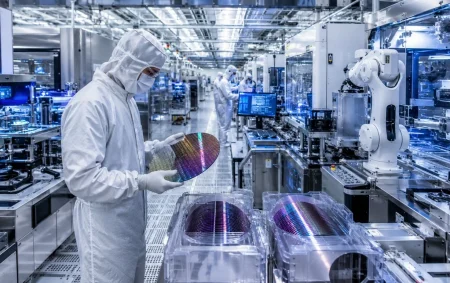
وتستفيد كوريا من ارتفاع الطلب على رقائق الذاكرة عن طريق «سامسونج إلكترونكس» و«إس كيه هاينكس» باعتبارهما أكبر شركتين لتصنيع رقائق الذاكرة عالميًا، وهو ما دفع مؤشر كوسبي إلى الارتفاع بنحو 60% منذ بداية العام.
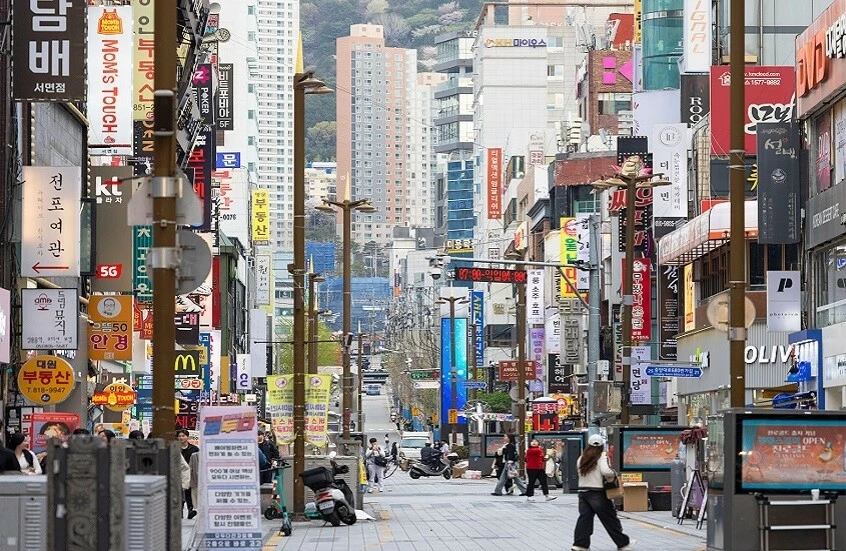
ورغم قفزة الصادرات واستثمارات المصانع، لا تزال مبيعات التجزئة قريبة من مستويات 2019، ويصف «جولدمان ساكس» ذلك بدورة تعافٍ على شكل حرف «K»، حيث تزدهر ميزانيات الشركات بينما يظل الاستهلاك الخاص ضعيفًا، حسبما نقلت «فورتشن».
وتعد كوريا من بين الدول صاحبة أدنى معدلات الخصوبة في العالم، بمعدل 0.8 مولود لكل امرأة العام الماضي، مقابل 2.1 المطلوب للحفاظ على استقرار السكان نسبيًا، كما تجاوزت نسبة السكان الذين تبلغ أعمارهم 65 عامًا فأكثر نحو 20%.
South Korea faces an economic paradox; while the AI boom supports its exports and investments, the accelerating aging population and weak consumption threaten to diminish the impact of these gains, according to an analysis by Goldman Sachs.
South Korea benefits from the high demand for memory chips through Samsung Electronics and SK Hynix, the two largest memory chip manufacturers globally, which has driven the KOSPI index up by about 60% since the beginning of the year.
Despite the surge in exports and factory investments, retail sales remain close to 2019 levels, with Goldman Sachs describing it as a K-shaped recovery, where corporate budgets thrive while private consumption remains weak, as reported by Fortune.
South Korea is among the countries with the lowest fertility rates in the world, with a rate of 0.8 births per woman last year, compared to the 2.1 needed to maintain relative population stability, and the percentage of the population aged 65 and older has exceeded 20%.