


 حالة الطقس
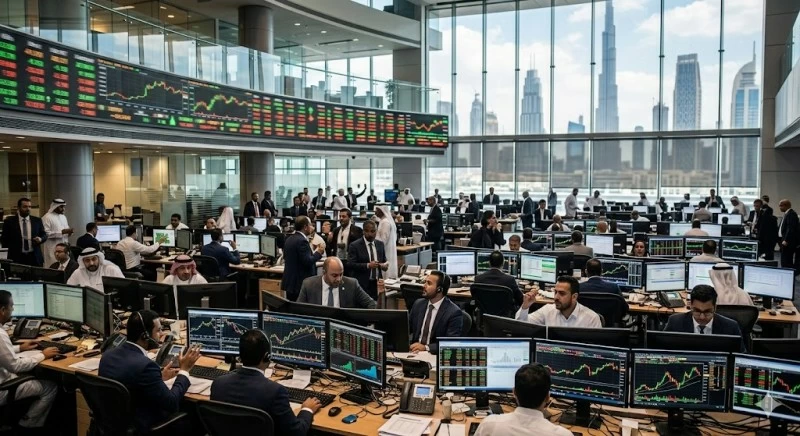
تكبّدت أسواق الأسهم الإماراتية، اليوم، تراجعات قوية في أول جلسة تداول عقب استئناف النشاط بعد الإغلاق المؤقت على خلفية التطورات الجيوسياسية الأخيرة، والهجمات الإيرانية.
وهبط مؤشر سوق دبي المالي بنسبة 4.6% في مستهل التعاملات ليصل إلى مستوى 6,200 نقطة، فيما تراجع مؤشر سوق أبوظبي للأوراق المالية (فوتسي أبوظبي العام) بنحو 3.5% إلى 10,083 نقطة، متأثراً بانخفاضات قاربت 5% في أسهم «اتصالات» و«أدنوك للغاز» و«أبوظبي الأول».
حد أقصى
وفي خطوة لاحتواء التقلبات، وضعت الجهات التنظيمية في دبي حداً أقصى للتراجعات اليومية عند 5%.
وأعلنت هيئة الأوراق المالية والسلع استئناف التداول وأنشطة المقاصة والتسوية في أسواق رأس المال بالدولة، اعتباراً من اليوم، بعد تنسيق مستمر مع السوقين ووفق الإطار الزمني المعلن مسبقاً.
وأكدت الهيئة أنها ستواصل متابعة التطورات الإقليمية عن كثب، واتخاذ ما يلزم من إجراءات ضمن صلاحياتها القانونية والتنظيمية بما يضمن حماية المستثمرين واستقرار الأسواق.
وكانت الهيئة قد قررت إغلاق الأسواق الإثنين والثلاثاء الماضيين، في ظل تصاعد الصراع في الشرق الأوسط واستمرار العمليات العسكرية بين الولايات المتحدة وإسرائيل من جهة، وإيران من جهة أخرى، وما تبعها من مخاوف بشأن اتساع رقعة التوتر في المنطقة.
The UAE stock markets experienced significant declines today in the first trading session following the resumption of activity after the temporary closure due to recent geopolitical developments and Iranian attacks.
The Dubai Financial Market Index dropped by 4.6% at the start of trading, reaching a level of 6,200 points, while the Abu Dhabi Securities Exchange Index (FTSE Abu Dhabi General) fell by about 3.5% to 10,083 points, affected by declines of nearly 5% in the shares of “Etisalat,” “Adnoc Gas,” and “First Abu Dhabi Bank.”
Maximum Limit
In a move to contain the volatility, regulatory authorities in Dubai set a maximum limit for daily declines at 5%.
The Securities and Commodities Authority announced the resumption of trading and clearing and settlement activities in the capital markets of the country, starting today, after continuous coordination with the two markets and according to the previously announced timeline.
The authority confirmed that it will continue to closely monitor regional developments and take necessary actions within its legal and regulatory powers to ensure investor protection and market stability.
The authority had decided to close the markets last Monday and Tuesday amid the escalation of the conflict in the Middle East and the ongoing military operations between the United States and Israel on one side and Iran on the other, along with the subsequent concerns about the widening scope of tension in the region.