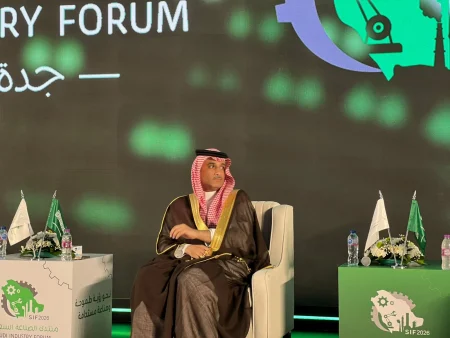









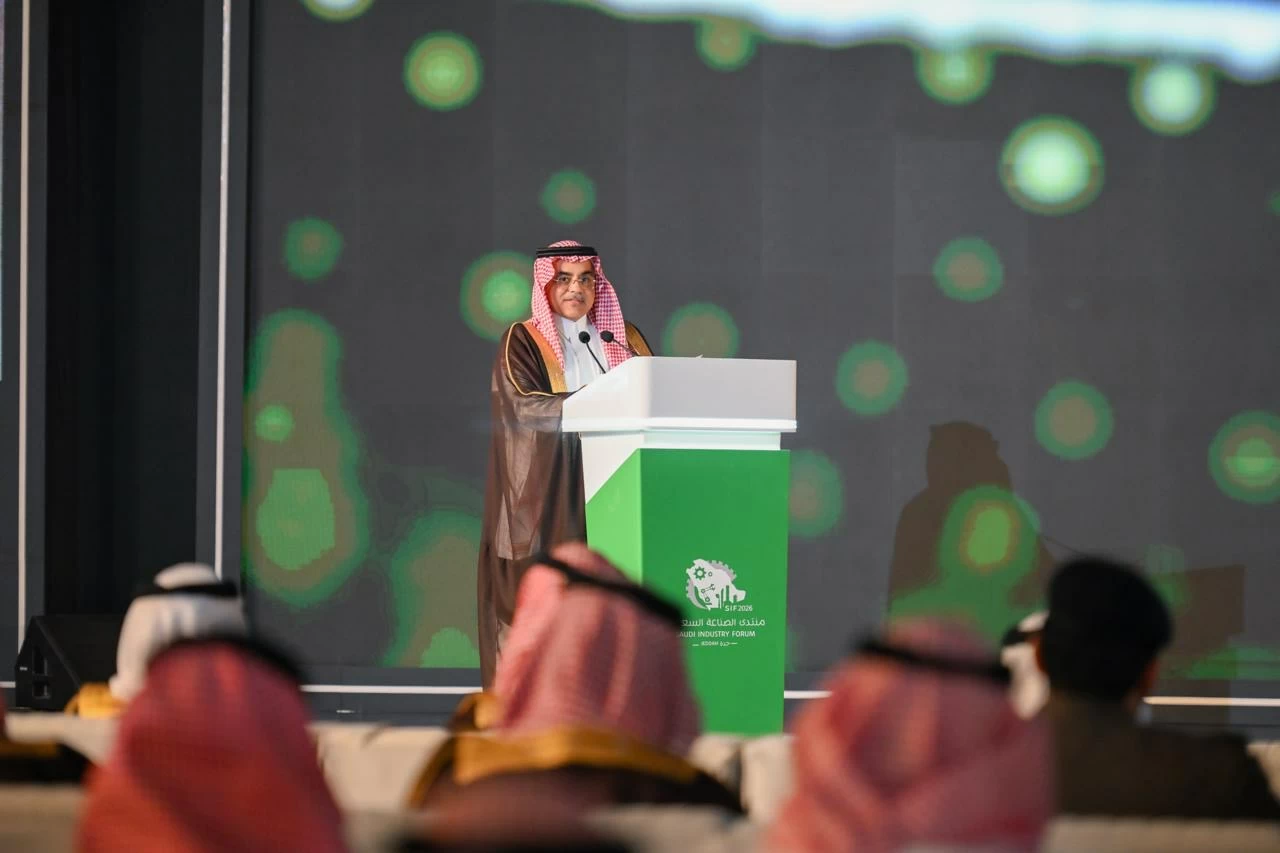
أكد نائب وزير الصناعة والثروة المعدنية المهندس خليل بن سلمة، خلال كلمته في منتدى الصناعة السعودي، أن القطاع الصناعي شهد خلال الأعوام الماضية تحولاً كبيراً، مشيراً إلى العمل على بناء الممكنات، وتطوير البيئة التنظيمية، وتحفيز الاستثمار، وتمكين المصانع، وتعزيز المحتوى المحلي، وفتح مسارات أوسع أمام المنتجات السعودية للوصول إلى الأسواق العالمية.
وكشف أن الطموح اليوم انتقل من زيادة عدد المصانع أو حجم الاستثمارات إلى بناء قاعدة صناعية أكثر تنافسية وقدرة على الابتكار والتصدير، وأكثر ارتباطاً بسلاسل القيمة المحلية والعالمية.
وبيّن أن الوزارة تريد للمصنع السعودي أن يكون أكثر إنتاجية، وأكثر اعتماداً على التقنيات المتقدمة، وأكثر كفاءة في استهلاك موارده، وأكثر قدرة على الوصول إلى الأسواق.
وأضاف: «نريد للمستثمر الصناعي أن يجد أمامه رحلة واضحة، تبدأ من الفكرة، وتمر بالتمويل والتراخيص والأرض الصناعية والتقنية والكوادر، ولا تنتهي عند الإنتاج، بل تمتد إلى التوسع والتصدير والمنافسة عالمياً، ومن هنا تأتي أهمية الشراكة مع القطاع الخاص، فالقطاع الخاص ليس مستفيداً من السياسات الصناعية فحسب، بل شريك في صياغة مستقبل الصناعة السعودية، والاستماع إلى الصناعيين وفهم التحديات التي تواجههم وتحويلها إلى حلول عملية هو جزء أساسي من عملنا».
وأكد أن السعودية لديها عناصر قوة واضحة، تشمل موقعها الجغرافي الاستراتيجي، وطاقة تنافسية، وبنية تحتية ولوجستية متقدمة، وسوقاً كبيرة، ورأس مال قادراً على الاستثمار، وشباباً وشابات يمتلكون الطموح والقدرة على قيادة صناعات المستقبل.
وبيّن أن التحدي أمامنا هو جمع هذه العناصر في منظومة إنتاجية متكاملة تحول الميزة إلى صناعة، والصناعة إلى قيمة مضافة، والقيمة المضافة إلى صادرات وفرص عمل ونمو اقتصادي مستدام.
The Deputy Minister of Industry and Mineral Resources, Engineer Khalil bin Salama, confirmed during his speech at the Saudi Industry Forum that the industrial sector has witnessed a significant transformation over the past years, pointing to efforts to build enablers, develop the regulatory environment, stimulate investment, empower factories, enhance local content, and open wider pathways for Saudi products to reach global markets.
He revealed that the ambition today has shifted from increasing the number of factories or the volume of investments to building a more competitive industrial base capable of innovation and export, and more connected to local and global value chains.
He indicated that the ministry wants the Saudi factory to be more productive, more reliant on advanced technologies, more efficient in resource consumption, and more capable of reaching markets.
He added: “We want the industrial investor to find a clear journey ahead of them, starting from the idea, passing through financing, licensing, industrial land, technology, and workforce, and not ending at production, but extending to expansion, export, and global competition. This is where the importance of partnership with the private sector comes in; the private sector is not only a beneficiary of industrial policies but also a partner in shaping the future of Saudi industry. Listening to industrialists, understanding the challenges they face, and turning them into practical solutions is an essential part of our work.”
He emphasized that Saudi Arabia has clear strengths, including its strategic geographical location, competitive energy, advanced infrastructure and logistics, a large market, capital capable of investment, and young men and women with the ambition and ability to lead the industries of the future.
He pointed out that the challenge before us is to gather these elements into an integrated production system that transforms advantage into industry, industry into added value, and added value into exports, job opportunities, and sustainable economic growth.