










فيما أبقى مجلس الاحتياطي الفيدرالي الأمريكي سعر الفائدة الرئيسي لليلة واحدة دون تغيير في نطاق يتراوح بين 3.50% و3.75%، تجاوز الدين الوطني الأمريكي مستوى قياسياً بلغ 39 تريليون دولار، وذلك بعد أكثر من أسبوعين فقط من اندلاع الحرب الأمريكية الإسرائيلية ضد إيران.
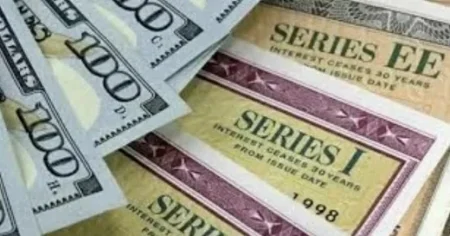
ويعد رقم الدين فارقاً غير مسبوق، يمثل تحدياً أمام الإدارة الأمريكية، من تمرير قانون ضريبي ضخم وزيادة الإنفاق الدفاعي وتكثيف مراقبة الهجرة، إلى محاولة تقليص الدين نفسه، وهو ما وعد الرئيس دونالد ترمب بالقيام به سواء كمرشح أو كرئيس.
وأوضح مكتب المحاسبة الحكومية بعض تأثير ارتفاع الدين الحكومي على الأمريكيين، بما في ذلك ارتفاع تكاليف الاقتراض لأمور مثل الرهون العقارية والسيارات، وانخفاض الأجور نتيجة امتلاك الشركات أموالاً أقل للاستثمار، وارتفاع أسعار السلع والخدمات.
موازنة المخاطر
قال رئيس بنك الاحتياطي الفيدرالي الأمريكي جيروم باول، إن البنك المركزي يمر بـ«وضع صعب» يفرض ضرورة موازنة المخاطر، مؤكداً أن الاجتماع الأخير شهد مناقشة احتمالية التوجه نحو رفع أسعار الفائدة.
وحذر باول من أن الاقتصاد الأمريكي يواجه حالياً صدمة طاقة لا يُعرف حجمها أو مدتها حتى الآن، مؤكداً أن أسعار الطاقة المرتفعة للغاية ستدفع التضخم للارتفاع، وأن استمرار ارتفاع أسعار الوقود لفترة طويلة سيؤثر على الاستهلاك في الولايات المتحدة.
وأوضح أن الفيدرالي لا يمتلك توقعات لأسعار النفط لما بعد الحرب، لكنه يراقب عن كثب آثار وجود سلع أخرى -غير النفط- عالقة في مضيق هرمز على المستهلك الأمريكي.
تضخم سنوي
وفيما يخص البيانات الاقتصادية، كشف باول أن تقديرات شهر فبراير الماضي تشير إلى بلوغ معدل التضخم السنوي لأسعار الإنفاق الشخصي 2.8%، والإنفاق الشخصي الأساسي 3%.
وأشار رئيس الفيدرالي إلى تراجع مستويات خلق الوظائف في القطاع الخاص الأمريكي وصولاً إلى مستوى الصفر. ورغم زيادة توقعات التضخم على المدى القريب، أكد باول الالتزام بالوصول إلى مستهدف 2%، مشدداً على أن الاقتصاد الأمريكي أظهر قوة ومتانة في مواجهة التحديات.
وأفاد باول بأن تأثير التوترات الجيوسياسية في الشرق الأوسط على الاقتصاد لا يزال غير واضح، ومن السابق لأوانه معرفة نطاق ومدة تأثيرات الطاقة.
حدث سلبي
وكان رئيس مجلس الاحتياطي الفيدرالي (البنك المركزي الأمريكي) جيروم باول، قد أوضح في وقت سابق أن نمو الدين الفيدرالي الأمريكي يسير على مسار غير قابل للاستدامة ويتعين معالجته، لكنه لا يتوقع أن يكون سببا لحدث سلبي قريب الأجل في الأسواق.
وأشار باول إلى أن مستوى الدين مستدام في الوقت الحالي، لكن المسار غير قابل للاستدامة، وكلما أسرعنا في العمل على معالجته كان أفضل.
وأوضح قائلا «ولكن كما تعلمون، نعاني حاليا من عجز كبير للغاية في ظل توظيف كامل، وبالتالي فإن الصورة المالية تحتاج إلى معالجة، ولكن ذلك لا يحدث».
While the U.S. Federal Reserve kept the overnight interest rate unchanged in a range between 3.50% and 3.75%, the U.S. national debt surpassed a record level of $39 trillion, just over two weeks after the outbreak of the U.S.-Israeli war against Iran.
The debt figure is an unprecedented gap, posing a challenge for the U.S. administration, from passing a massive tax law and increasing defense spending to intensifying immigration monitoring and attempting to reduce the debt itself, which President Donald Trump promised to do both as a candidate and as president.
The Government Accountability Office clarified some of the impacts of rising government debt on Americans, including increased borrowing costs for things like mortgages and cars, decreased wages due to companies having less money to invest, and rising prices for goods and services.
Risk Balancing
U.S. Federal Reserve Chairman Jerome Powell stated that the central bank is in a “difficult situation” that necessitates balancing risks, emphasizing that the recent meeting discussed the possibility of moving toward raising interest rates.
Powell warned that the U.S. economy is currently facing an energy shock whose magnitude or duration is still unknown, asserting that extremely high energy prices will drive inflation up, and that prolonged high fuel prices will affect consumption in the United States.
He clarified that the Fed does not have forecasts for oil prices post-war, but is closely monitoring the effects of other goods—aside from oil—stuck in the Strait of Hormuz on the American consumer.
Annual Inflation
Regarding economic data, Powell revealed that estimates for February indicated that the annual inflation rate for personal consumption expenditures reached 2.8%, with core personal consumption expenditures at 3%.
The Fed Chairman noted a decline in job creation levels in the U.S. private sector down to zero. Despite increased short-term inflation expectations, Powell reaffirmed the commitment to reach the 2% target, stressing that the U.S. economy has shown strength and resilience in facing challenges.
Powell stated that the impact of geopolitical tensions in the Middle East on the economy remains unclear, and it is too early to know the scope and duration of energy impacts.
Negative Event
Earlier, Federal Reserve Chairman Jerome Powell clarified that the growth of U.S. federal debt is on an unsustainable path that needs to be addressed, but he does not expect it to be a cause of a near-term negative event in the markets.
Powell indicated that the current level of debt is sustainable, but the path is unsustainable, and the sooner action is taken to address it, the better.
He explained, saying, “But as you know, we are currently experiencing a very large deficit under full employment, and thus the financial picture needs to be addressed, but that is not happening.”