



 حالة الطقس
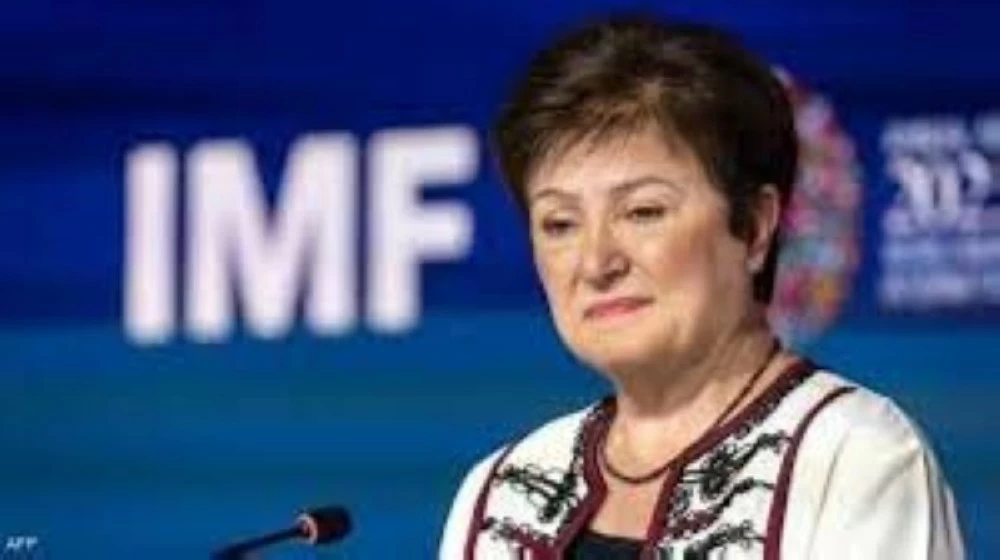
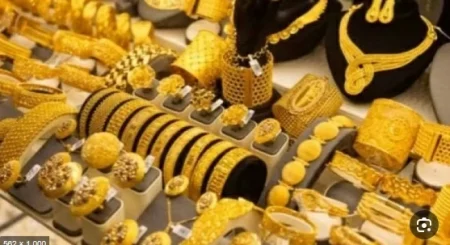
أعلنت مديرة صندوق النقد الدولي كريستالينا غورغييفا أن حالة عدم اليقين أصبحت الوضع الطبيعي الجديد، وهو ما يدفع المستثمرين في أوقات الغموض إلى البحث عن الاستقرار من خلال الملاذات الآمنة مثل الذهب.
وفي مقابلة خاصة مع «العربية Business»، خلال مؤتمر العلا للاقتصادات الناشئة، قالت غورغييفا: «العالم يعيش مرحلة التحول نحو تعدد الأقطاب؛ ما ينعكس على طريقة عمل النظام النقدي الدولي، إلا أن ذلك لا يلغي استمرار الدور المحوري للدولار».
عمق وسيولة
وأوضحت أن هذا الدور يستند إلى عمق وسيولة أسواق رأس المال في الولايات المتحدة، وحجم الاقتصاد الأمريكي، وروح المبادرة وريادة الأعمال، إضافة إلى قدرة الاقتصاد الأمريكي على تحقيق نمو مستدام ينعكس إيجاباً على بقية اقتصادات العالم.
وأشارت غورغييفا إلى أن الدولار يرتفع وينخفض مع مرور الوقت، لافتة إلى أن مستواه الحالي أعلى من متوسطه خلال العقد الماضي، مؤكدة أنه لا ينبغي الحكم على وضع الدولار من خلال تقلبات قصيرة الأجل.
وفي ما يخص الأسواق الناشئة، أوضحت غورغييفا أن هذه التطورات ليست سلبية بالضرورة، إذ إن العديد من اقتصادات الأسواق الناشئة تقترض بالدولار، ومع ارتفاع تكلفة الاقتراض فإن ضعف الدولار يعني إنفاقاً أقل على خدمة الديون.
مراكز النفوذ
وعند النظر إلى التطورات العالمية وتزايد تعدد مراكز النفوذ والتأثير، قالت غورغييفا: «إن عملات أخرى بدأت تعزز دورها تدريجياً في الاحتياطيات العالمية».
وأوضحت أن الدولار ظل في الصدارة لفترة طويلة بحصة تجاوزت ثلثي الاحتياطيات العالمية.
وأضافت: «اليورو برز كخيار احتياطي للدول، إلى جانب عملات اقتصادات صغيرة وموثوقة مثل سويسرا وأستراليا والسويد، التي ارتفعت حصص عملاتها ضمن احتياطيات الدول».
واعتبرت أن ذلك يعد تطوراً طبيعياً. وشددت على أنه عند بحث الاقتصادات عن ملاذ للاستقرار في أوقات الاضطراب، يبقى الدولار الوجهة الأولى.
The Managing Director of the International Monetary Fund, Kristalina Georgieva, announced that uncertainty has become the new normal, which drives investors in times of ambiguity to seek stability through safe havens like gold.
In a special interview with “Al Arabiya Business” during the AlUla Conference for Emerging Economies, Georgieva said: “The world is undergoing a transition towards multipolarity; this is reflected in the way the international monetary system operates, but this does not negate the continued central role of the dollar.”
Depth and Liquidity
She explained that this role is based on the depth and liquidity of capital markets in the United States, the size of the U.S. economy, the spirit of initiative and entrepreneurship, in addition to the ability of the U.S. economy to achieve sustainable growth that positively impacts the rest of the world’s economies.
Georgieva noted that the dollar rises and falls over time, pointing out that its current level is higher than its average over the past decade, emphasizing that the dollar’s status should not be judged based on short-term fluctuations.
Regarding emerging markets, Georgieva clarified that these developments are not necessarily negative, as many emerging market economies borrow in dollars, and with rising borrowing costs, a weaker dollar means less spending on debt servicing.
Centers of Influence
When looking at global developments and the increasing multiplicity of centers of influence and power, Georgieva said: “Other currencies have begun to gradually enhance their role in global reserves.”
She explained that the dollar has remained at the forefront for a long time with a share exceeding two-thirds of global reserves.
She added: “The euro has emerged as a reserve option for countries, alongside currencies from small and reliable economies like Switzerland, Australia, and Sweden, whose currency shares within national reserves have increased.”
She considered this a natural development. She emphasized that when economies seek a haven for stability in times of turmoil, the dollar remains the primary destination.