








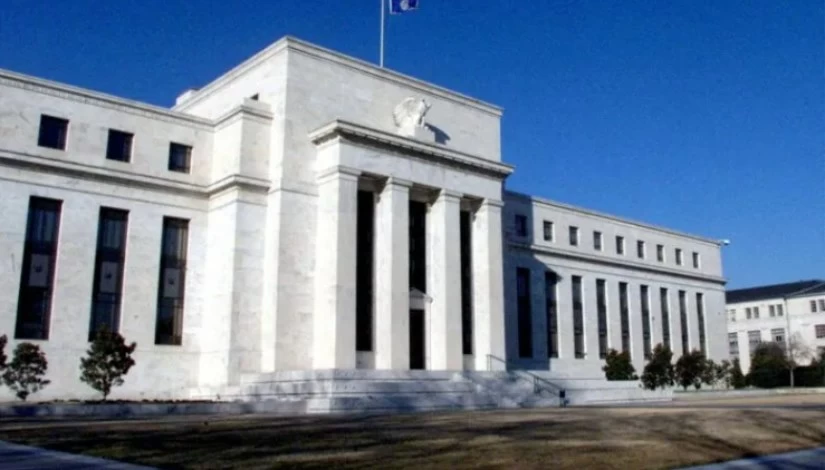
أفاد بنك الاحتياطي الفيدرالي في دالاس بأن استمرار توقف شحنات النفط عبر مضيق هرمز حتى شهر يونيو القادم؛ بسبب حرب إيران، سيؤدي إلى انخفاض النمو الاقتصادي العالمي بمقدار 2.9 نقطة مئوية على أساس سنوي خلال الربع الثاني من العام.
ويمر نحو خُمس إمدادات النفط العالمية عبر مضيق هرمز، الذي أُغلق فعلياً نتيجة للحرب، ما دفع أسعار خام غرب تكساس الوسيط لتتجاوز 97 دولاراً للبرميل.
الأثر الاقتصادي
أجرى باحثو البنك الإقليمي التابع للاحتياطي الفيدرالي نمذجة للأثر الاقتصادي المحتمل في حال إغلاق هذا الممر البحري أمام حركة الشحن لفترات متفاوتة، ففي حال إعادة فتح المضيق بعد ربع سنوي واحد، يُتوقع أن تتراجع أسعار النفط إلى 68 دولاراً للبرميل خلال الفترة من يوليو إلى سبتمبر، بالتزامن مع زيادة نمو الناتج المحلي الإجمالي بمقدار 2.2 نقطة مئوية.
أما إذا امتد الإغلاق إلى ربعين، فقد تقفز أسعار النفط إلى 115 دولاراً في الربع الثالث قبل أن تنخفض إلى 76 دولاراً خلال الأشهر الثلاثة الأخيرة من العام. وفي سيناريو إغلاق يمتد لثلاثة أرباع، قد تصل الأسعار إلى 132 دولاراً للبرميل بحلول نهاية العام، وفق تقديرات الباحثين.
تداعيات الأسعار
يتابع اقتصاديون عن كثب تداعيات ارتفاع أسعار البنزين والديزل ومشتقات البترول الأخرى على معدلات التضخم والطلب في آن واحد.
ويشير البعض إلى أن صعود أسعار البنزين بدأ بالفعل في تقليص الإنفاق في قطاعات أخرى، إذ يبحث الأمريكيون عن سُبل لاحتواء تكاليف الوقود المرتفعة، بما فيها تقليل السفر والانتظار في طوابير محطات الوقود لتوفير بضعة سنتات.
في هذا السياق، تجاوز متوسط سعر غالون الديزل في الولايات المتحدة حاجز 5 دولارات هذا الأسبوع، للمرة الثانية فقط في التاريخ، ما ينعكس على النشاط الاقتصادي نظراً لاعتماد معظم الصناعات تقريباً على وقود الديزل.
The Federal Reserve Bank of Dallas reported that the continued halt of oil shipments through the Strait of Hormuz until next June, due to the Iran war, will lead to a decline in global economic growth by 2.9 percentage points year-on-year during the second quarter of the year.
About one-fifth of global oil supplies pass through the Strait of Hormuz, which has effectively been closed due to the war, causing West Texas Intermediate crude prices to exceed $97 per barrel.
Economic Impact
Researchers at the regional bank of the Federal Reserve conducted modeling of the potential economic impact in the event of this maritime corridor being closed to shipping for varying periods. If the strait is reopened after one quarter, oil prices are expected to drop to $68 per barrel during the period from July to September, coinciding with an increase in GDP growth of 2.2 percentage points.
If the closure extends to two quarters, oil prices could jump to $115 in the third quarter before falling to $76 during the last three months of the year. In a scenario where the closure lasts for three quarters, prices could reach $132 per barrel by the end of the year, according to researchers’ estimates.
Price Implications
Economists are closely monitoring the implications of rising gasoline, diesel, and other petroleum product prices on inflation rates and demand simultaneously.
Some point out that the rise in gasoline prices has already begun to reduce spending in other sectors, as Americans look for ways to contain high fuel costs, including cutting back on travel and waiting in lines at gas stations to save a few cents.
In this context, the average price of a gallon of diesel in the United States surpassed $5 this week, for only the second time in history, which reflects on economic activity given that almost all industries rely on diesel fuel.