








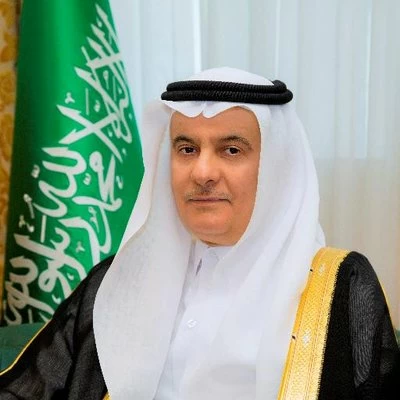
كشف وزير البيئة والمياه والزراعة المهندس عبدالرحمن الفضلي انخفاض استخدام المياه الجوفية غير المتجددة في المملكة من نحو 21 مليار متر مكعب عام 2016 إلى 11 مليار متر مكعب في 2025، بالتزامن مع ارتفاع الطاقة الإنتاجية للمياه المحلاة من 9 ملايين إلى 16 مليون متر مكعب يومياً، واستقطاب استثمارات تجاوزت 60 مليار ريال، وذلك خلال افتتاح النسخة الأولى من أسبوع المياه السعودي في جدة.
وأوضح الفضلي أن قطاع المياه شهد خلال العقد الأخير برنامجاً إصلاحياً شمل الحوكمة والتنظيم والتمويل والتشغيل، لمواجهة تحديات ندرة الموارد المائية المتجددة، والاعتماد على المياه الجوفية، والزيادة المتسارعة في الطلب على المياه، إلى جانب ارتفاع تكاليف المشروعات.
وأشار إلى أن نتائج البرنامج شملت وصول خدمات مياه الشرب إلى جميع السكان، وزيادة السعة التخزينية الإستراتيجية إلى 125%، مع استمرار التوسع في شبكات التوزيع وتحسين موثوقية الخدمة.
وأضاف أن القطاع أصبح أكثر جاذبية للاستثمار عبر توسيع مشاركة القطاع الخاص على امتداد سلسلة الإمداد، ما أسهم في جذب استثمارات تجاوزت 60 مليار ريال، وخفض تكاليف إنتاج المياه، وتحسين كفاءة استهلاك الطاقة.
وأكد أن منظومة المياه حافظت على استمرارية الخدمات رغم المتغيرات الجيوسياسية وتقلبات سلاسل الإمداد وأسواق الطاقة، بفضل تنوع مصادر الإنتاج وشبكات النقل والسعات التخزينية.
وأشار إلى أن المملكة تواصل دعم المبادرات الدولية في قطاع المياه، وتستعد لاستضافة المنتدى العالمي الـ11 للمياه في الرياض عام 2027، فيما يستهدف أسبوع المياه السعودي تعزيز الشراكات وتبادل الخبرات ودعم الابتكار في القطاع.
The Minister of Environment, Water and Agriculture, Engineer Abdulrahman Al-Fadli, revealed a decrease in the use of non-renewable groundwater in the Kingdom from about 21 billion cubic meters in 2016 to 11 billion cubic meters in 2025, coinciding with an increase in the production capacity of desalinated water from 9 million to 16 million cubic meters per day, and attracting investments exceeding 60 billion riyals, during the opening of the first edition of Saudi Water Week in Jeddah.
Al-Fadli explained that the water sector has witnessed a reform program over the past decade that included governance, regulation, financing, and operation, to address the challenges of scarce renewable water resources, reliance on groundwater, and the rapidly increasing demand for water, in addition to rising project costs.
He pointed out that the results of the program included providing drinking water services to all residents, increasing strategic storage capacity to 125%, while continuing to expand distribution networks and improve service reliability.
He added that the sector has become more attractive for investment by expanding private sector participation across the supply chain, which contributed to attracting investments exceeding 60 billion riyals, reducing water production costs, and improving energy consumption efficiency.
He emphasized that the water system has maintained service continuity despite geopolitical changes and fluctuations in supply chains and energy markets, thanks to the diversity of production sources, transport networks, and storage capacities.
He noted that the Kingdom continues to support international initiatives in the water sector and is preparing to host the 11th World Water Forum in Riyadh in 2027, while Saudi Water Week aims to enhance partnerships, exchange experiences, and support innovation in the sector.