



 حالة الطقس
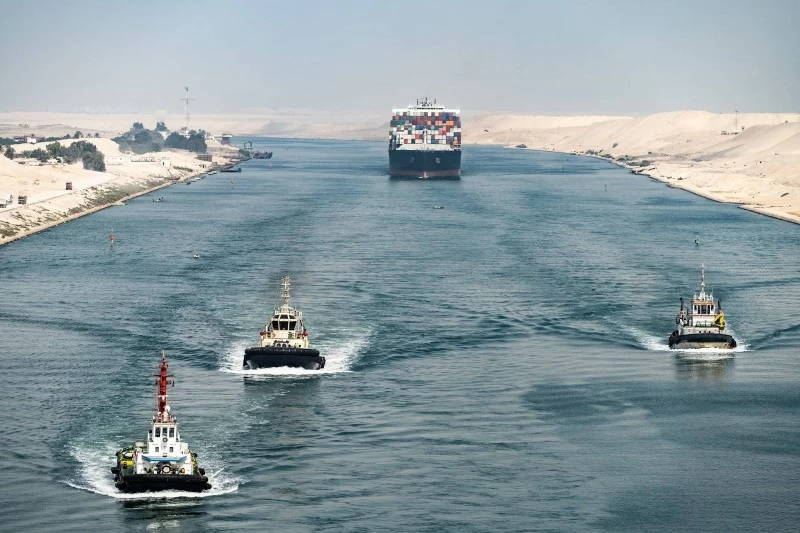
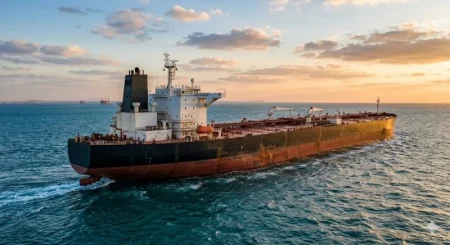
أكد رئيس هيئة قناة السويس الفريق أسامة ربيع، اليوم (الثلاثاء)، أن حركة الملاحة في القناة تجري بصورة منتظمة من الاتجاهين الشمالي والجنوبي، وأن القناة تواصل تقديم خدماتها الملاحية على مدار الساعة دون انقطاع.
وأوضح ربيع في تصريح رسمي أن القناة شهدت اليوم عبور 56 سفينة بإجمالي حمولات صافية بلغ 2.6 مليون طن، منها 24 سفينة من قافلة الشمال بحمولات صافية قدرها مليون طن، و32 سفينة من قافلة الجنوب بحمولات صافية قدرها 1.6 مليون طن.
وأشار إلى أن إعلان بعض الخطوط الملاحية الكبرى تعليق عبور سفنها عبر القناة يبقى أمراً مؤقتاً مرتبطاً بتطورات الأوضاع الأمنية في المنطقة، مؤكداً استمرار جهود الهيئة في التواصل المكثف مع العملاء والخطوط الملاحية العالمية لضمان استدامة سلاسل الإمداد العالمية.
وأعرب ربيع عن أمله في تحقيق انفراجة قريبة في الأوضاع الأمنية بالمنطقة، لما لذلك من أثر جوهري على حرية الملاحة وانتعاش حركة التجارة العالمية عبر أحد أهم الممرات البحرية في العالم.
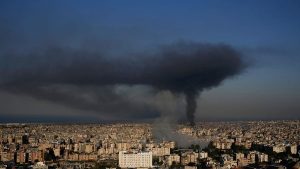
وتأتي تلك التصريحات في إطار التصعيد في المنطقة بسبب الحرب المباشرة بين الولايات المتحدة وإسرائيل من جهة، وإيران من جهة أخرى، التي بدأت بعدما نفذت القوات الأمريكية والإسرائيلية ضربات جوية واسعة النطاق على أهداف إيرانية رئيسية بما في ذلك مواقع نووية وعسكرية في طهران ومناطق أخرى، أسفرت عن مقتل المرشد الأعلى الإيراني آية الله علي خامنئي وعدد من قادة الحرس الثوري.
وردت إيران بسرعة بإطلاق صواريخ ومسيّرات على إسرائيل، ودول الخليج ودول عربية، وأهداف أخرى في المنطقة بما في ذلك قاعدة أكروتيري البريطانية في قبرص.
وأعلن مستشار قائد الحرس الثوري العميد إبراهيم جباري، أن مضيق هرمز مغلق، وأن أي سفينة تحاول العبور «ستُحرق» من قبل قوات الحرس البحرية والجيش النظامي، مهدداً بمهاجمة خطوط أنابيب النفط ومنع «قطرة نفط واحدة» من الخروج، متوقعاً ارتفاع سعر النفط إلى 200 دولار للبرميل.
من جانبها أعلنت شركة ميرسك أكبر شركة حاويات في العالم تعليق العبور عبر مضيق هرمز، وتعليق عبور مستقبلي عبر باب المندب وقناة السويس، وإعادة توجيه رحلاتها حول رأس الرجاء الصالح وهو الطريق الأطول بآلاف الأميال، ويضيف أياماً إلى الرحلة.
The Chairman of the Suez Canal Authority, Lieutenant General Osama Rabie, confirmed today (Tuesday) that navigation in the canal is proceeding regularly from both the northern and southern directions, and that the canal continues to provide its maritime services around the clock without interruption.
Rabie explained in an official statement that the canal witnessed the passage of 56 ships today with a total net tonnage of 2.6 million tons, including 24 ships from the northern convoy with a net tonnage of one million tons, and 32 ships from the southern convoy with a net tonnage of 1.6 million tons.
He pointed out that the announcement by some major shipping lines to suspend the passage of their ships through the canal remains a temporary matter linked to the developments of the security situation in the region, emphasizing the Authority’s continued efforts in intensive communication with clients and global shipping lines to ensure the sustainability of global supply chains.
Rabie expressed his hope for a near breakthrough in the security situation in the region, as this would have a significant impact on the freedom of navigation and the revival of global trade through one of the most important maritime passages in the world.
These statements come in the context of the escalation in the region due to the direct war between the United States and Israel on one side, and Iran on the other, which began after American and Israeli forces carried out extensive airstrikes on key Iranian targets, including nuclear and military sites in Tehran and other areas, resulting in the death of Iranian Supreme Leader Ayatollah Ali Khamenei and several Revolutionary Guard leaders.
Iran quickly responded by launching missiles and drones at Israel, Gulf countries, Arab nations, and other targets in the region, including the British Akrotiri base in Cyprus.
The advisor to the commander of the Revolutionary Guard, Brigadier General Ibrahim Jabari, announced that the Strait of Hormuz is closed, and that any ship attempting to cross “will be burned” by the naval forces of the Revolutionary Guard and the regular army, threatening to attack oil pipelines and prevent “a single drop of oil” from leaving, predicting that oil prices would rise to $200 per barrel.
For its part, Maersk, the world’s largest container shipping company, announced the suspension of passage through the Strait of Hormuz, the suspension of future crossings through Bab el-Mandeb and the Suez Canal, and the rerouting of its voyages around the Cape of Good Hope, which is thousands of miles longer and adds days to the journey.