










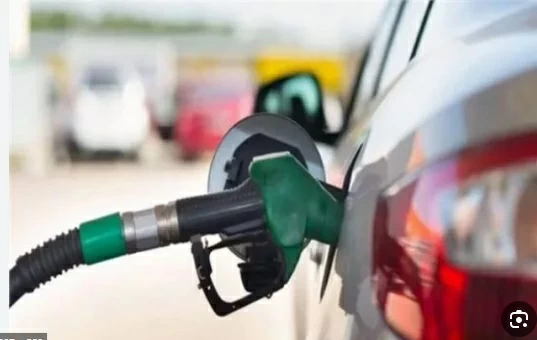
تجاوزت أسعار البنزين في محطات التزود بالوقود في الولايات المتحدة الأمريكية عتبة أربعة دولارات للغالون اليوم، في ظل تجدد الأعمال القتالية بين الولايات المتحدة وإيران؛ مما أدى إلى مزيد من اضطراب تدفقات الطاقة عبر مضيق هرمز الذي يعد طريقاً حيوياً لإمدادات النفط العالمية.
وارتفع متوسط أسعار البيع بالتجزئة للبنزين على الصعيد الوطني بأكثر من 30% منذ أن شنت الولايات المتحدة وإسرائيل هجوماً على إيران في نهاية شهر فبراير الماضي.
عبء مالي
ووفقاً لبيانات صادرة عن جمعية السيارات الأمريكية، فقد بلغ متوسط سعر الغالون اليوم، 4.0030 دولار.
وكان آخر مرة يتجاوز فيها سعر البنزين أربعة دولارات للغالون، وهو سعر يمثل عبئاً مالياً على العديد من الأسر، في أواخر مارس بعد أن أوقفت إيران حركة الملاحة عبر مضيق هرمز، ثم تراجعت الأسعار إلى ما دون هذا الحد في يونيو بعد توقيع الولايات المتحدة وإيران مذكرة تفاهم لإنهاء الحرب.
وزادت أسعار البنزين بالتزامن مع أسعار النفط الخام، التي قفزت بنحو 16% هذا الأسبوع بعد انهيار الهدنة بين واشنطن وطهران في أوائل يوليو الجاري، وعادة ما تتحرك أسعار بيع الوقود بالتجزئة وأسعار النفط الخام في نفس الاتجاه؛ لأن الخام يمثل التكلفة الرئيسية لإنتاج الوقود.
Gas prices at fuel stations in the United States have surpassed four dollars per gallon today, amid renewed hostilities between the United States and Iran; leading to further disruption of energy flows through the Strait of Hormuz, which is a vital route for global oil supplies.
The national average retail price for gasoline has risen by more than 30% since the United States and Israel launched an attack on Iran at the end of February.
Financial Burden
According to data released by the American Automobile Association, the average price per gallon today is $4.0030.
The last time gas prices exceeded four dollars per gallon, a price that represents a financial burden for many families, was in late March after Iran halted shipping through the Strait of Hormuz, then prices fell below this threshold in June after the United States and Iran signed a memorandum of understanding to end the war.
Gas prices have increased alongside crude oil prices, which jumped by about 16% this week after the collapse of the ceasefire between Washington and Tehran in early July, and retail fuel prices typically move in the same direction as crude oil prices, as crude represents the main cost of fuel production.