








انخفضت أسعار النفط 5% تقريباً اليوم، متجهة إلى تسجيل أكبر خسائر في جلسة واحدة منذ أكثر من 6 أشهر، وذلك بعدما أعلن الرئيس الأمريكي دونالد ترمب مطلع الأسبوع أن إيران تجري محادثات جادة مع واشنطن، في إشارة إلى خفض التصعيد.
وقال ترمب: «آمل أن يتفاوضوا على شيء مقبول، يمكن التوصل إلى اتفاق مرضٍ دون أسلحة نووية».
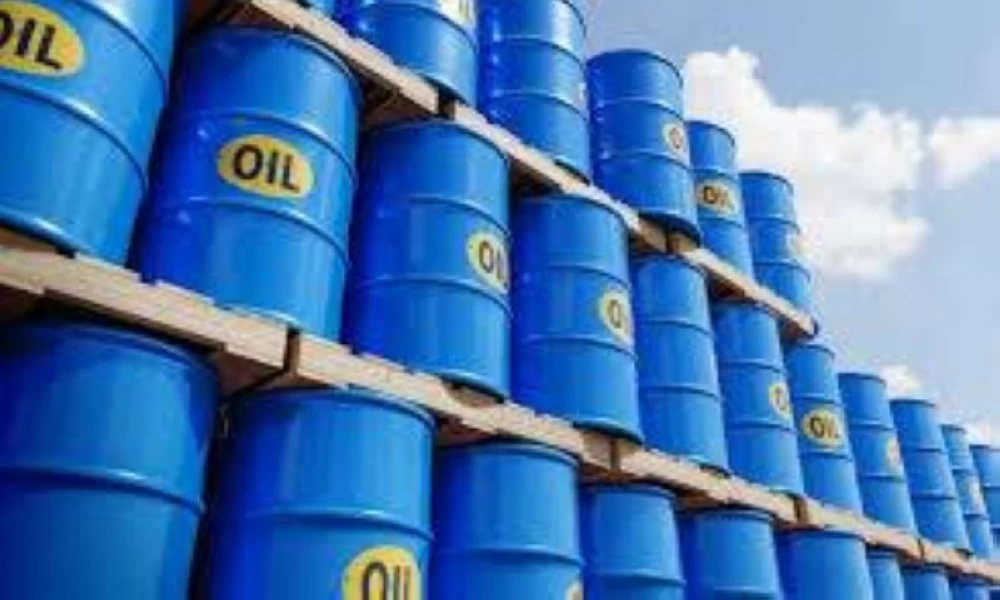
وانخفضت العقود الآجلة لخام برنت 3.30 دولار أو 4.8% إلى 66.02 دولار للبرميل. ونزل خام غرب تكساس الوسيط الأمريكي 3.23 دولار أو 5% إلى 61.98 دولار للبرميل.
قيمة الدولار
وقالت محللة أسواق النفط بريانكا ساشديفا إن التهديدات المستمرة دعمت أسعار النفط طوال شهر يناير الماضي.
وأضافت: «زاد التراجع الأحدث أيضاً مع ارتفاع قيمة الدولار، الأمر الذي يجعل النفط المقوم بالدولار أعلى ثمناً بالنسبة للمشترين بالعملات الأخرى، مما يزيد الضغط على الأسعار».
وأوضح محلل الأسواق توني سيكامور أن تصريحات ترمب إلى جانب التقارير التي تفيد بأن القوات البحرية التابعة للحرس الثوري الإيراني لا تعتزم إجراء تدريبات بالذخيرة الحية في مضيق هرمز من المؤشرات على التهدئة.
وبين بقوله: «ترى سوق الخام هذا تراجعاً مشجعاً عن المواجهة، مما يقلص علاوة المخاطر الجيوسياسية التي كانت سبباً في الارتفاع الأسبوع الماضي، ويحفز موجة من جني الأرباح».
Oil prices fell by nearly 5% today, heading towards recording the largest losses in a single session in over 6 months, after U.S. President Donald Trump announced earlier this week that Iran is engaged in serious talks with Washington, indicating a de-escalation.
Trump said, “I hope they negotiate something acceptable; a satisfactory agreement can be reached without nuclear weapons.”
Brent crude futures fell by $3.30 or 4.8% to $66.02 per barrel. West Texas Intermediate crude dropped by $3.23 or 5% to $61.98 per barrel.
Value of the Dollar
Oil market analyst Priyanka Sachdeva stated that ongoing threats supported oil prices throughout January.
She added, “The recent decline was also exacerbated by the rising value of the dollar, which makes dollar-denominated oil more expensive for buyers using other currencies, increasing pressure on prices.”
Market analyst Tony Sycamore explained that Trump’s statements, along with reports indicating that the Iranian Revolutionary Guard’s naval forces do not intend to conduct live-fire drills in the Strait of Hormuz, are signs of de-escalation.
He noted, “The crude market sees this as a reassuring retreat from confrontation, which reduces the geopolitical risk premium that caused the rise last week and triggers a wave of profit-taking.”