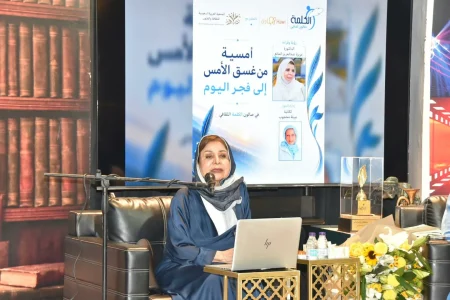









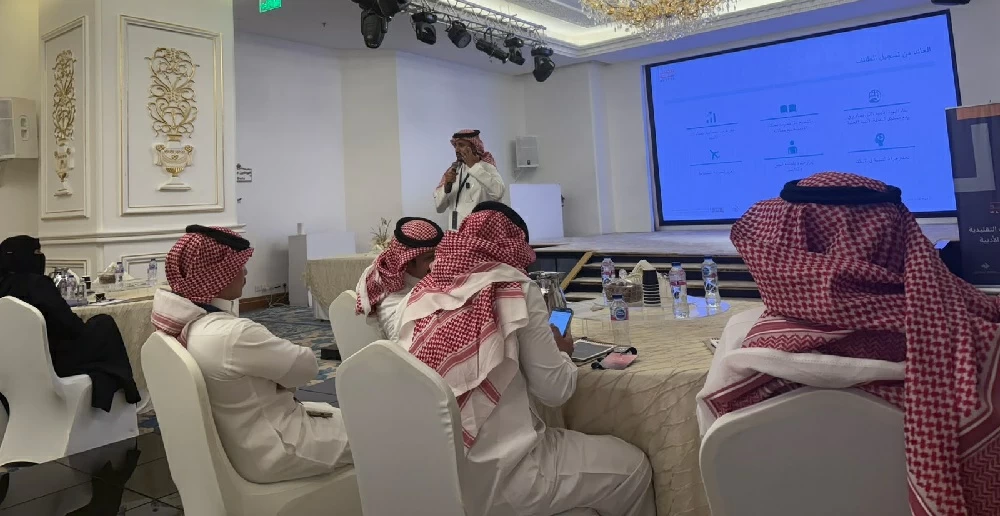
استعادت ورشة (الحرف التقليدية والنصوص الأدبية) في الطائف، أمس، واحدة من أشهر القصائد العربية التي امتزج فيها الشعر بالحِرفة، حين أعادت إلى الواجهة قصة رواج (الخمار الأسود) المرتبط ببيت ربيعة بن عامر: «قل للمليحة في الخمار الأسود…».
وأعاد المشاركون إحياء الحكاية بوصفها نموذجًا لمدى قدرة النص الأدبي على صناعة حضور للحرف التراثية وتسويقها، ما فتح باب النقاش حول الدور الذي يمكن أن تؤديه الفنون في دعم الصناعات اليدوية وإبرازها لجمهور أوسع.
وشكّلت الورشة محطة لافتة حين استعادت قصة رواج (الخمار الأسود) المرتبطة ببيت ربيعة بن عامر، الذي يقول فيه: «قل للمليحة في الخمار الأسود
ماذا فعلت بناسكٍ متعبد؟
قد كان شمّر للصلاة ثيابه
حتى وقفت له بباب المسجد».
وقدّم المشاركون القصيدة بوصفها مثالًا حيًا على قدرة النص الأدبي على إبراز الحِرف التراثية وتسويقها، ما فتح باب النقاش حول الدور الذي يمكن أن تؤديه الفنون في دعم الصناعات اليدوية وإيصالها إلى الجمهور.
وتساءلت الشاعرة نادية السالمي عن ضعف حضور الأدباء، فيما أوضح القائمون على البرنامج أنهم تواصلوا مع الجامعة وجهات أخرى لاستقطاب المهتمين، داعين المشاركين إلى التعريف بالفعاليات ودعوة الأدباء والحرفيين لحضور الأيام المتبقية.
وأكد فايز النمري أهمية تحقيق الاستدامة للحرفيين بما يضمن استمرار أعمالهم، وألا يُغفل في المقابل دور الشعراء والأدباء في إبراز المنتجات وتسويقها، مستشهدًا بحكاية (الخمار الأسود) وما أحدثه النص الشعري من أثر تسويقي ظل متداولًا حتى اليوم.
وشارك الشاعر عايض الثبيتي بقصيدة بمناسبة اختيار الطائف مدينة مبدعة في الأدب، فيما قدم الشاعر سلطان العصيمي قصيدة عن ورد الطائف.
ورأى الأديب خلف القرشي أن اختيار الطائف لاحتضان الورشة جاء موفقاً؛ لما تمتلكه المحافظة من مقومات أدبية وموروث ثقافي متنوع يجمع بين الشعر والحرف اليدوية والفنون المختلفة.
وكشف مدير فرع هيئة التراث بالطائف الدكتور عبدالله الغنامي أن متدربي (بيت الحرفيين) سجلوا حضورًا لافتًا في الورشة، مشيرًا إلى أثر البرامج التدريبية في تمكين الشباب والفتيات من إتقان الحرف التراثية.
بدورها، أكدت الكاتبة عهود القرشي أهمية تحفيز الأعمال الإبداعية والإنتاجية؛ ومنها الأفلام والقصص، وتوظيفها في إبراز الحرف والملابس التراثية التي اشتهرت بها الطائف، وتحويل الموروث إلى محتوى قادر على الوصول إلى أجيال وجمهور أوسع.
ويهدف البرنامج الذي تنظمه الجمعية السعودية للمحافظة على التراث بالتعاون مع هيئة الأدب والنشر والترجمة، ليجمع الأدباء والحرفيين لاستكشاف العلاقة بين الأدب والحرفة، وتوثيق ذاكرة الحرفيين وتجاربهم وتحويلها إلى نصوص أدبية تسهم في حفظ الموروث الثقافي وإبرازه بأسلوب إبداعي، وتستمر فعالياته حتى 10 سبتمبر الجاري. وتضمنت أهداف البرنامج، إثراء المشهد الثقافي، وتحفيز ودعم الجهات غير الربحية، وبناء القدرات وتمكين منسوبي القطاع الثالث، إلى جانب استعراض نماذج من الحرف التقليدية.
The workshop on (traditional crafts and literary texts) in Taif yesterday revived one of the most famous Arabic poems that blends poetry with craftsmanship, bringing back to the forefront the story of the popularity of (the black veil) associated with the verse of Rabiah bin Amer: “Tell the beautiful one in the black veil…”
The participants revived the tale as a model of how literary texts can create a presence for traditional crafts and market them, opening the door for discussion about the role that arts can play in supporting and showcasing handicrafts to a wider audience.
The workshop was a notable event as it revisited the story of the popularity of (the black veil) linked to the verse of Rabiah bin Amer, which says: “Tell the beautiful one in the black veil
What have you done to a devoted ascetic?
He had rolled up his garments for prayer
Until he stood before the mosque door.”
The participants presented the poem as a living example of the ability of literary texts to highlight and market traditional crafts, which opened the door for discussion about the role that arts can play in supporting handicrafts and reaching the public.
Poet Nadia Al-Salmi questioned the weak presence of writers, while the program organizers clarified that they had contacted the university and other entities to attract interested individuals, inviting participants to promote the events and invite writers and artisans to attend the remaining days.
Fayez Al-Namri emphasized the importance of achieving sustainability for artisans to ensure the continuity of their work, and that the role of poets and writers in showcasing and marketing products should not be overlooked, citing the story of (the black veil) and the marketing impact that the poetic text has had, which remains relevant to this day.
Poet Aaidh Al-Thubaiti participated with a poem on the occasion of Taif being chosen as a creative city in literature, while poet Sultan Al-Asimi presented a poem about the roses of Taif.
Writer Khalaf Al-Qurashi viewed the choice of Taif to host the workshop as a successful one, given the region’s literary components and diverse cultural heritage that combines poetry, handicrafts, and various arts.
Dr. Abdullah Al-Ghanami, director of the Heritage Authority branch in Taif, revealed that trainees from (the House of Artisans) made a notable presence at the workshop, pointing to the impact of training programs in enabling young men and women to master traditional crafts.
For her part, writer Ahood Al-Qurashi stressed the importance of stimulating creative and productive works, including films and stories, and utilizing them to highlight the crafts and traditional clothing that Taif is famous for, transforming heritage into content capable of reaching wider generations and audiences.
The program organized by the Saudi Heritage Preservation Society in collaboration with the Literature, Publishing, and Translation Authority aims to bring together writers and artisans to explore the relationship between literature and craftsmanship, document the memories and experiences of artisans, and transform them into literary texts that contribute to preserving and creatively showcasing cultural heritage. The activities will continue until September 10 of this year. The program’s objectives include enriching the cultural scene, stimulating and supporting non-profit entities, building capacities, and empowering members of the third sector, as well as showcasing models of traditional crafts.