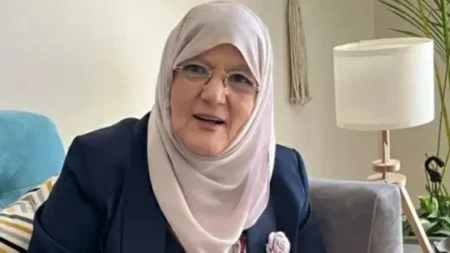










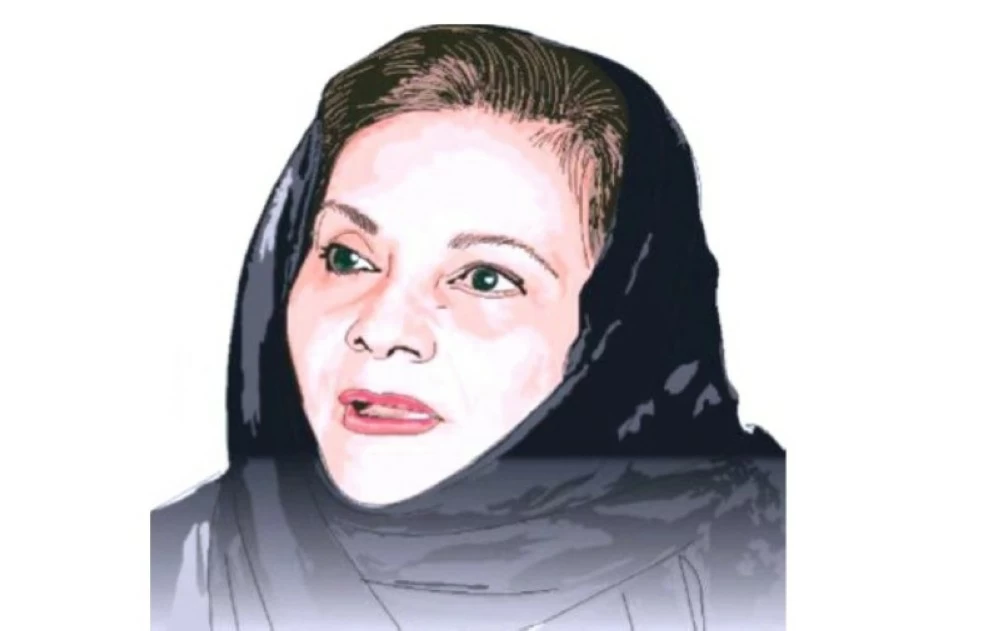
أُسدلت، صباح الأربعاء 4 فبراير 2026، ستارة عمرٍ طويلٍ على الشاعرة الغنائية والإعلامية السعودية ثريا قابل، التي رحلت من أحد مستشفيات جدة بعد معاناة مع المرض، وكأن النهاية اختارت لها مقاماً يليق بسيرةٍ كانت تُحسن الإصغاء لنبض الناس ثم تعيده أغنيةً تمشي على ألسنة العشّاق.
لم تكن ثريا قابلةً لرحيلٍ عابر، فهي من تلك الأسماء، التي إذا غابت، بَدا الفراغُ في النصّ قبل أن يبدو في المشهد؛ لأنها كانت «ركن الكلمة» لا زينتها، وواحدةً من أعمدة المفردة الحجازية، التي منحت الأغنية السعودية نكهتها الدافئة: بسيطة في ظاهرها، عميقة في قاعها، قادرة على أن تُنهي جدلاً طويلاً بكلمة واحدة صادقة. وُلدت في جدة القديمة عام 1940، في حارة المظلوم التي ظلّت عندها أكثر من جغرافيا، كانت مدرسة حسٍّ أولى، تُربّي الأذن على إيقاع الرواشين والحواري، وتُدرّب القلب على التقاط التفاصيل الصغيرة التي تصنع الشعر لاحقاً.
هناك بدأت علاقتها الأولى باللغة، ثم مضت في التكوين والتعليم وصولاً إلى الكلية الأهلية في بيروت، ومن بيروت تحديداً خرجت إلى العالم بملامح امرأةٍ تعرف أن الكتابة مسؤولية مواجهة لا زينة حضور.
في عام 1963، أصدرت ديوانها الأشهر «الأوزان الباكية»، بوصفه حدثاً تأسيسياً لا مجرد كتاب: واحداً من أوائل – بل يُشار إليه بوصفه أول – ديوانٍ نسائي سعودي فصيح يُطبع ويصدر باسم مؤلفته الصريح، في زمن كانت الأسماء تُوارى فيه خوفاً أو احتياطاً. لكن ثريا، التي اختبرت مبكراً قسوة التصنيفات وسهولة الاتهام، لم تتراجع، بل فعلت ما يفعله الكبار عادةً: نقلت المعركة من هامش المجتمع إلى صميم النص، وواصلت العمل في الإعلام بوصفه امتداداً طبيعياً للشعر، فدخلت الصحافة بدافعٍ قالت عنه إنه دفاع عن حقوق المرأة وإيصال مطالبها، وبدأت من تفاصيل المجتمع والمرأة والأسرة، وأشرفت على تحرير صفحة نسائية في «البلاد» بعنوان «النصف الحلو»، ثم انتقلت إلى «عكاظ»، وكتبت في «قريش» المكية و«الأنوار» اللبنانية في حقبة الستينات، وحررت زاوية سمّتها «حواء كما يريدها آدم»، وصولاً إلى تأسيس مجلة «زينة» وتولي رئاسة تحريرها بين 1986 و1987، في مسارٍ يُظهر أن حضورها لم يكن فنياً فقط، بل إعلامياً مؤثراً أيضاً. غير أن ذاكرة الناس – وغالباً ذاكرة الفن – تحتفظ بما يلامسها أولاً: الأغنية. وهنا كانت ثريا قابل في موقعٍ لا يزاحمها فيه كثيرون، فهي من «مدّ» الأغنية السعودية بالشعر الغنائي القائم على المفردة الحجازية، وصنعت توأمةً فنية لامعة مع الراحل فوزي محسون، وكانت تستعيد تلك الثنائية بوصفها زمناً يشرح لماذا بقيت الأغنية السعودية قادرة على العيش خارج عمر أصحابها، من أعمالهما معاً «عهد الهوى»، و«من بعد مزح ولعب»، و«لا لا وربي» التي غناها محمد عبده، و«جاني الأسمر» لعتاب، بينما امتدت كلماتها إلى أصواتٍ كبرى أخرى؛ إذ غنّى لها طلال مداح منذ البدايات، وغنّى محمد عبده، وترددت مفردتها عبر أهرام الغناء السعودي، حتى غدت قصيدتها – في كثير من الحالات – أقرب إلى «حالة» تُلتقط وتُكثّف، لا إلى حكاية تُسرد، وهي نفسها كانت تصف منهجها بأنها لا تكتب قصة، بل ترصد موقفاً بعد أن تُخزن التجربة في الداخل. ولعل هذا هو سرها الأعمق: أنها كانت تكتب على مقاس الإنسان لا على مقاس الاستعراض، تُمسك الحنين من طرفه الصحيح، وتدع الكلمات تعمل بدل أن تتزين. وحتى في سنواتها الأخيرة، أشارت إلى أن البساطة هي سر جمال الأغنية، وأن آخر مساهماتها الفنية جاءت عبر تعاونات متأخرة قبل أن تقلّ في الظهور وتتوقف عن الكتابة العامة سنوات.
لذلك، لا يبدو رحيل ثريا قابل مجرد خبر وفاة؛ بل يشبه إغلاق نافذةٍ قديمة على جدة وعلى زمنٍ كان يصدق فتنبت منه الأغنيات. ومع ذلك، تبقى النافذة مفتوحة على نحوٍ آخر: في كل مرة تُسمع فيها أغنية تحمل مفردتها الحجازية الصافية، سنفهم أن بعض الشعراء لا يرحلون كاملين، بل يتركون جزءاً منهم في اللحن؛ كي لا تنسى الذاكرة طريقها إلى القلب.
On the morning of Wednesday, February 4, 2026, a long curtain was drawn on the life of the Saudi lyricist and media figure Thuraya Qabil, who passed away in a hospital in Jeddah after suffering from illness, as if the end had chosen a place befitting a legacy that excelled in listening to the pulse of the people and then returned it as a song that walked on the tongues of lovers.
Thuraya was not a figure for a fleeting departure; she was one of those names whose absence created a void in the text before it appeared in the scene; because she was the “cornerstone of the word,” not just its adornment, and one of the pillars of the Hijazi vocabulary, which granted Saudi songs their warm flavor: simple in appearance, deep in essence, capable of ending a long debate with a single sincere word. She was born in Old Jeddah in 1940, in the neighborhood of Al-Mazloom, which remained for her more than just geography; it was the first school of sensibility, nurturing the ear to the rhythm of the rooftops and alleys, and training the heart to capture the small details that would later create poetry.
There, she began her first relationship with language, then continued her formation and education until she reached the private college in Beirut, and from Beirut specifically, she emerged into the world with the features of a woman who knows that writing is a responsibility of confrontation, not just the adornment of presence.
In 1963, she published her most famous collection “The Weeping Weights,” regarded as a foundational event, not just a book: one of the first – indeed, it is referred to as the first – collection of classical Saudi women’s poetry published under the author’s name, at a time when names were often hidden out of fear or precaution. However, Thuraya, who experienced early the harshness of classifications and the ease of accusation, did not retreat; instead, she did what great figures usually do: she moved the battle from the margins of society to the core of the text, and continued to work in media as a natural extension of poetry. She entered journalism driven by a motive she described as a defense of women’s rights and conveying their demands, starting from the details of society, women, and family. She supervised the editing of a women’s page in “Al-Bilad” titled “The Sweet Half,” then moved to “Okaz,” and wrote in “Quraish” from Mecca and “Al-Anwar” from Lebanon during the 1960s, editing a column she called “Eve as Adam Wants Her,” culminating in the establishment of the magazine “Zina” and serving as its editor-in-chief between 1986 and 1987, in a trajectory that shows her presence was not only artistic but also significantly influential in media. However, people’s memory – and often the memory of art – retains what touches it first: the song. Here, Thuraya Qabil was in a position that few could rival; she was one of those who “extended” Saudi songs with lyrical poetry based on the Hijazi vocabulary, creating a brilliant artistic partnership with the late Fawzi Mahsoon. She would recall that duality as a time that explains why Saudi songs have remained capable of living beyond the age of their creators, with their joint works including “The Covenant of Love,” “After Joking and Playing,” “No, No, By God,” sung by Mohammed Abdu, and “The Dark One Came” for Atab, while her words reached other great voices; Talal Madah sang for her from the beginning, and Mohammed Abdu sang her lyrics, which resonated through the pyramids of Saudi song, until her poetry became – in many cases – closer to a “state” that is captured and condensed, rather than a story that is narrated. She herself described her method as not writing a story, but rather observing a situation after storing the experience within. Perhaps this is her deepest secret: that she wrote to fit the human experience, not for the sake of display; she grasped nostalgia from its right end and let the words work instead of adorning themselves. Even in her later years, she pointed out that simplicity is the secret of the beauty of the song, and that her last artistic contributions came through late collaborations before she became less visible and stopped public writing for years.
Therefore, Thuraya Qabil’s departure does not seem like just a news of death; rather, it resembles the closing of an old window on Jeddah and a time that believed in the growth of songs. Nevertheless, the window remains open in another way: every time a song carrying her pure Hijazi vocabulary is heard, we will understand that some poets do not leave completely; instead, they leave a part of themselves in the melody, so that memory does not forget its way to the heart.