







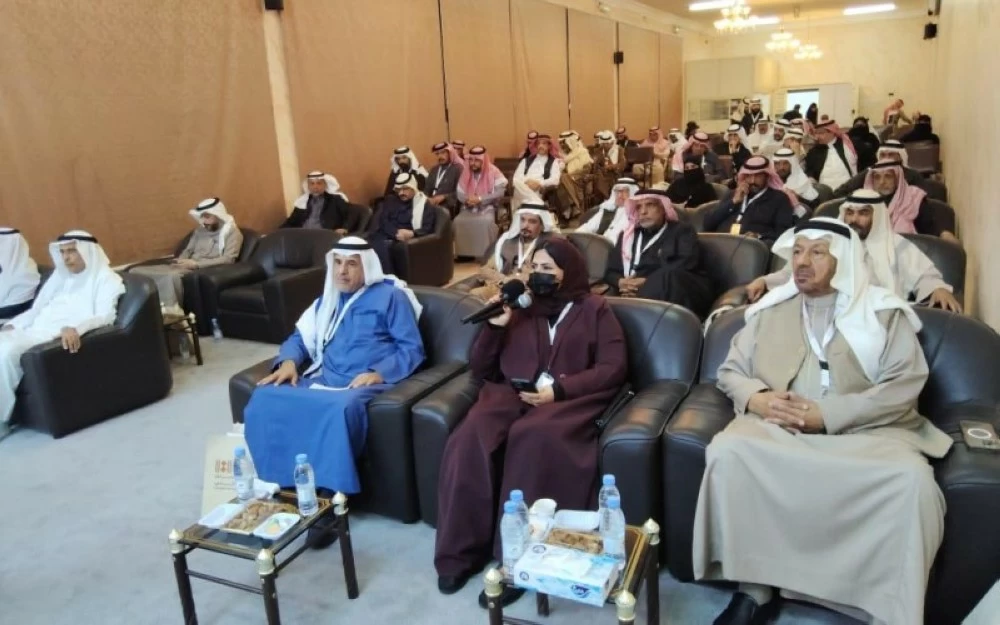
انتقدت الشاعرة خديجة قاري طريقة توزيع المداخلات في ورشة «التراث غير المادي»، التي نظمت بالطائفتحت عنوان (نحن التراث الحي.. تطلعات وتحديات)، وعقدت في مقر جمعية أدبي الطائف، وطالبت بمناصفة التعليقات بين الرجال والنساء، حتى لا تذهب كل الأفكار والنقاشات لجانب واحد، وأن تمنح الفرصة بالتساوي «لرجل ثم لامرأة وهكذا» على حد قولها.
وأشار مدير الحوار رئيس مجلس إدارة جمعية أدبي الطائف عطا الله الجعيد إلى أهمية الورشة، فيما تطرق الدكتور عثمان الصيني إلى أهمية الورشة، شارحاً الفروق بين التراث المادي والتراث غير المادي، وأثر التقنية والعولمة على استمرار الفنون الشعبية وما يعيق توثيق التراث الشفهي والحرف التقليدية، كما طرح تساؤلاً عن مستقبل التراث غير المادي في السنوات القادمة، وعن أشكال التوثيق والبحث التي تعد أكثر فعالية، كما تساءل الدكتور الصيني عن قدرة السياحة الثقافية على المساهمة بالحفاظ على هذا التراث، وعن دور الشباب في صون التراث.
مداخلات واسئلة متنوعة
تنوعت المداخلات والأسئلة حول أهمية الجمعية والتراث غير المادي، و تم طرح كثير من الأفكار التي يمكن أن تسهم في إحياء التراث غير المادي والدور الذي تلعبه الجمعية في دعم هذا التراث والمحافظة عليه.
واقترح متداخلون بإنشاء مراكز للحرف اليدوية التي تعين الجيل الجديد، كما تم طرح موضوع المهرجانات والفعاليات التي تدخل فيها مجالات التراث غير المادي ومناقشة الاهتمام بالتراث غير المادي بالطائف باعتبارها مدينة غنية بذلك، وفي نهاية الورشة أجاب الدكتور عثمان الصيني على أسئلة واستفسارات الحضور مرحباً بكل ما تم طرحه من أفكار ومقترحات سيتم الأخذ بها في توصيات الورشة.
The poet Khadija Qari criticized the way interventions were distributed in the workshop “Intangible Heritage,” which was organized in Taif under the title (We are the Living Heritage… Aspirations and Challenges), held at the headquarters of the Taif Literary Association. She called for an equal distribution of comments between men and women, so that all ideas and discussions do not lean towards one side, and that the opportunity is given equally “to a man, then to a woman, and so on,” as she put it.
The dialogue director and chairman of the board of the Taif Literary Association, Attallah Al-Juaid, pointed out the importance of the workshop, while Dr. Othman Al-Sini discussed its significance, explaining the differences between tangible and intangible heritage, and the impact of technology and globalization on the continuity of folk arts and what hinders the documentation of oral heritage and traditional crafts. He also raised a question about the future of intangible heritage in the coming years, and about the forms of documentation and research that are considered more effective. Dr. Al-Sini questioned the ability of cultural tourism to contribute to preserving this heritage, and the role of youth in safeguarding it.
Diverse Interventions and Questions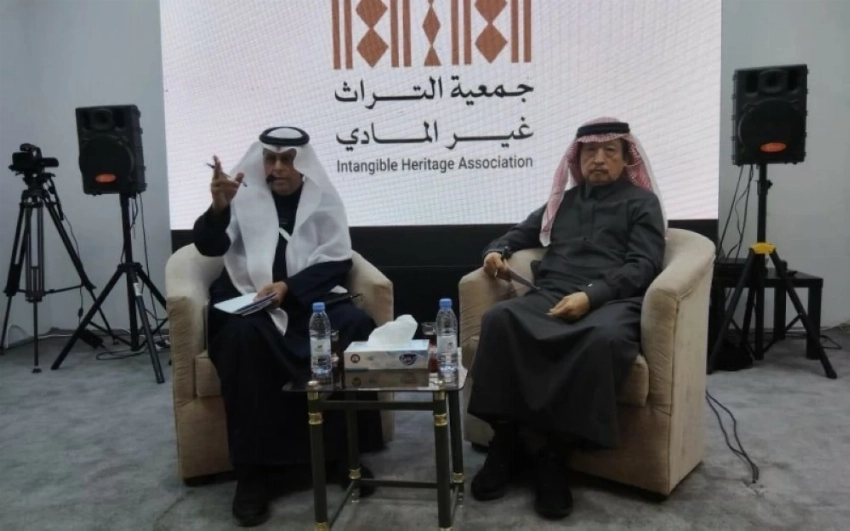

The interventions and questions varied regarding the importance of the association and intangible heritage, and many ideas were proposed that could contribute to reviving intangible heritage and the role that the association plays in supporting and preserving this heritage.
Participants suggested establishing centers for handicrafts that assist the new generation, and the topic of festivals and events that involve aspects of intangible heritage was raised, along with a discussion on the interest in intangible heritage in Taif, considering it a city rich in that regard. At the end of the workshop, Dr. Othman Al-Sini answered the questions and inquiries of the attendees, welcoming all the ideas and suggestions that were raised, which will be taken into account in the workshop’s recommendations.