









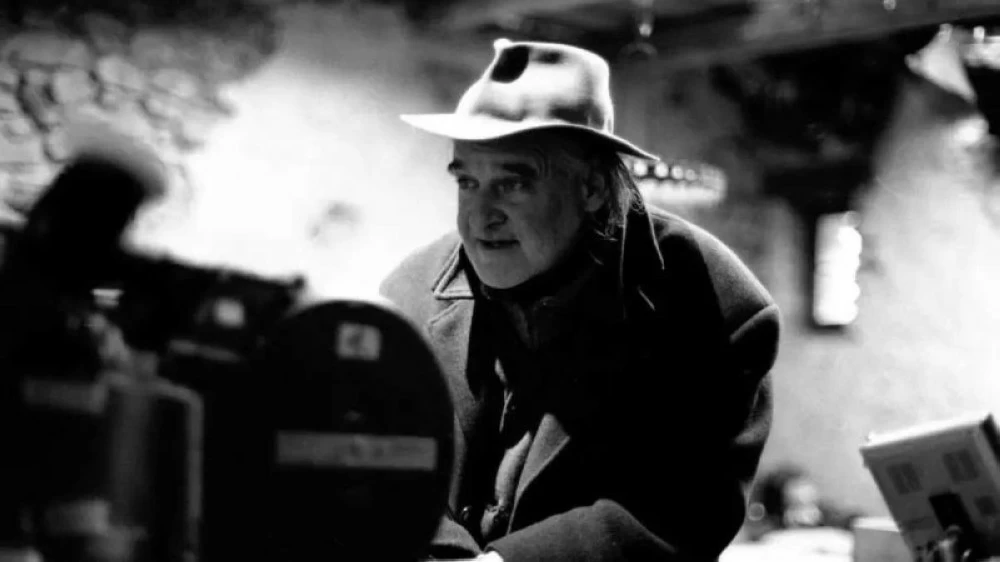
ودّع عالم السينما مجدداً أحد أعظم صانعيها، برحيل المخرج المجري بيلا تار الذي توفي عن عمر يناهز 70 عاماً بعد صراع طويل مع المرض، وفقاً لما أكدت ريكا غابورجاني ابنة زوجته.
عرف تار بأسلوبه الثوري في صناعة الأفلام، إذ استخدم اللقطات الطويلة والمونتاج البطيء لإظهار تفاصيل الحياة اليومية وتعميق المشاعر الإنسانية، متيحاً للجمهور فرصة الغوص في عوالم الشخصيات المهمشة في الريف المجري.
ومن أبرز أعماله «ساتانتانغو» (1994) الذي امتد 7 ساعات ونصف، و«فيركمايستر هارمونيز» (2000)، إذ جسّدا الصراعات الإنسانية الدقيقة والحياة اليومية البسيطة للفئات المهمشة، وأكسبا تار مكانة مميزة بين النقاد والجمهور على حدٍّ سواء.
وحظيت أعماله بتقدير عالمي واسع، ونال جوائز عديدة، فيما أشاد به مخرجون كبار مثل جيم جارموش وجاس فان سانت، ووصفته الناقدة سوزان سونتاغ بـ«آسر».
وعبر تار دائماً عن التزامه بالقيم الإنسانية في السينما، مؤكداً: «ما زلت أصنع الفيلم نفسه منذ 30 عاماً. إنه فيلم عن الكرامة الإنسانية. أرجوكم لا تدمروها».
وبعد فيلمه الأخير «حصان تورينو» (2011)، كرس تار جهوده لتعليم الجيل الجديد من صانعي الأفلام، من خلال إدارة مدرسة «فيلم فاكتوري» في سراييفو والتدريس في المجر وخارجها، محافظاً على التزامه بفن يكرم الإنسان البسيط ويعكس الواقع.
وترك رحيل بيلا تار فراغاً كبيراً في السينما العالمية، مؤكداً أن إرثه سيظل مصدر إلهام لكل من يسعى لصناعة أفلام عميقة، تحمل قيمة إنسانية حقيقية.
The world of cinema has once again bid farewell to one of its greatest creators, with the passing of Hungarian director Béla Tarr, who died at the age of 70 after a long battle with illness, as confirmed by Réka Gáborjányi, his wife’s daughter.
Tarr was known for his revolutionary filmmaking style, using long takes and slow editing to showcase the details of everyday life and deepen human emotions, allowing the audience to dive into the worlds of marginalized characters in the Hungarian countryside.
Among his most notable works are “Satantango” (1994), which extended for 7 and a half hours, and “Werckmeister Harmonies” (2000), both of which portrayed the subtle human conflicts and the simple daily lives of marginalized groups, earning Tarr a distinguished place among critics and audiences alike.
His works received widespread international acclaim, winning numerous awards, while being praised by renowned directors such as Jim Jarmusch and Gus Van Sant, with critic Susan Sontag describing him as “captivating.”
Tarr always expressed his commitment to human values in cinema, stating: “I have been making the same film for 30 years. It is a film about human dignity. Please do not destroy it.”
After his last film “The Turin Horse” (2011), Tarr dedicated his efforts to teaching the new generation of filmmakers, by running the “Film Factory” school in Sarajevo and teaching in Hungary and abroad, maintaining his commitment to an art that honors the ordinary human and reflects reality.
The passing of Béla Tarr has left a significant void in global cinema, affirming that his legacy will continue to inspire anyone seeking to create profound films that carry true human value.