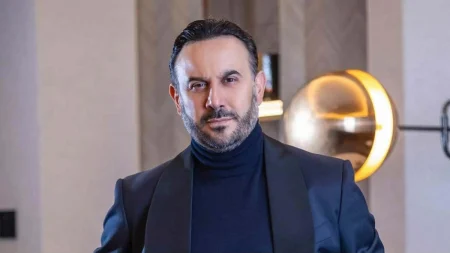











في تحرك مفاجئ هز الوسط الفني وأعاد خلط الأوراق في صناعة الموسيقى الرقمية، أطلق الفنان والملحن عمرو مصطفى بياناً رسمياً شديد اللهجة، أعلن فيه الحرب القانونية الشاملة لحماية حقوق الملكية الفكرية لعمله الموسيقي الشهير «طب بحبك (عشان بحبك)»، والمعروفة بين الجمهور بـ «العيون الحلوة دي».
لكن خلف هذا البيان الرسمي المعقد بالرموز والمطالبات القانونية، تتخفى كواليس ليلة ساخنة ومكالمة هاتفية مغلقة فجرت الأزمة وأشعلت الصراع بين المدرسة الموسيقية الأكاديمية وصناع المهرجانات.
البيان الرسمي الذي وجهه عمرو مصطفى للشركات والمنصات الرقمية لم يذكر أسماء صريحة، لكن كواليس الأزمة كشفت أن الهدف الرئيسي من هذه الحرب القانونية هو مؤدي المهرجانات حمو المرشدي والموزع وزة منتصر، إلى جانب شركات التوزيع الرقمي الوسيطة.
وبدأت المشادة الساخنة بعد النجاح الكبير الذي حققه «التراك المشترك» على المنصات، إذ فوجئ عمرو مصطفى بإشعارات حقوق ملكية (Rights Claim) تجتاح حسابه وحسابات شركائه، لتبدأ محاولات السيطرة على العوائد المالية وتوجيه إنذارات بحظر المحتوى.
وكشفت مصادر مطلعة التفاصيل المشتعلة التي سبقت إصدار البيان، إذ نشب خلاف حاد خلال مكالمة هاتفية مجمعة بين الأطراف. وتشير المعلومات المتقاطعة إلى أن عمرو مصطفى طالب بتوثيق حقوق التأليف واللحن بشكل رسمي وقاطع في الجمعية الدولية للمؤلفين والملحنين (SACEM) بباريس تحت الكود الدولي الرقمي: (112023767867)، لضمان حقوق الأداء العلني.
في المقابل، اندلعت الشكوك حول نسب التوزيع الرقمي والأرباح المتدفقة من المنصات الرقمية مثل «يوتيوب» و«تيك توك»، مما أدى إلى طريق مسدود بين الطرفين، دفع عمرو مصطفى للتحرك وقطع جميع خيوط التفاوض.
وأمام هذا التصعيد، قرر عمرو مصطفى الانتقام القانوني بضربة قاضية، إذ أعلن بوضوح قاطع أنه لم يمنح أي إذن أو ترخيص أو تفويض كتابي لأي شخص أو شركة لاستغلال اللحن أو تحصيل أرباحه.
ولم يتوقف عند هذا الحد، بل وجه إنذاراً حاسماً للمنصات الرقمية الكبرى يطالبها بـ:
- الحذف والسحب الفوري: إزالة الأغنية و«التراك» بالكامل من جميع المنصات داخل مصر وخارجها.
- تجميد العوائد المالية: حظر وحفظ كافة الأرباح الناتجة عن استغلال العمل لحين حسم النزاع القضائي.
واختتم عمرو مصطفى معركته بالتأكيد على أن بيانه يعتبر «إعذاراً وإشعاراً رسمياً حاسماً»، مشدداً على أنه بدأ بالفعل في اتخاذ كافة الإجراءات القضائية التحفظية والمدنية والجنائية ضد كل من شارك في استغلال الأغنية، مستنداً إلى أحكام قانون الملكية الفكرية المصري رقم 82 لسنة 2002. فهل تستجيب منصات الموسيقى لإنذار عمرو مصطفى وتغلق ملف «العيون الحلوة»، أم أن حمو المرشدي وشركاءه سيُفجرون مفاجأة قانونية مضادة؟ فالمعركة الانتقامية للحقوق الأدبية دخلت أروقة القضاء ولن تتوقف بسهولة.
In a surprising move that shook the artistic community and reshuffled the cards in the digital music industry, artist and composer Amr Mostafa issued a strongly worded official statement, declaring a comprehensive legal war to protect the intellectual property rights of his famous musical work “Tab Bahibbak (Asha Bahibbak),” known to the public as “El Oyoun El Helwa Di.”
However, behind this complex official statement filled with symbols and legal demands lies the backdrop of a heated night and a closed phone call that sparked the crisis and ignited the conflict between the academic music school and festival producers.
The official statement directed by Amr Mostafa to companies and digital platforms did not mention explicit names, but the behind-the-scenes details of the crisis revealed that the main target of this legal war is festival performer Hamou El Marshedy and distributor Wazza Montaser, along with the intermediary digital distribution companies.
The heated dispute began after the great success achieved by the “collaborative track” on the platforms, as Amr Mostafa was surprised by copyright notifications flooding his account and the accounts of his partners, leading to attempts to control financial returns and issuing warnings to ban the content.
Informed sources revealed the fiery details that preceded the issuance of the statement, as a sharp disagreement erupted during a conference call among the parties. Cross-referenced information indicates that Amr Mostafa demanded the formal and definitive documentation of the rights of authorship and melody at the International Society of Authors and Composers (SACEM) in Paris under the digital international code: (112023767867), to ensure public performance rights.
In contrast, doubts arose regarding the distribution percentages and the profits flowing from digital platforms like “YouTube” and “TikTok,” leading to a deadlock between the two parties, prompting Amr Mostafa to take action and cut all negotiation threads.
In light of this escalation, Amr Mostafa decided on a legal retaliation with a knockout blow, clearly stating that he had not granted any permission, license, or written authorization to any person or company to exploit the melody or collect its profits.
He did not stop there, but issued a decisive warning to major digital platforms demanding:
- Immediate deletion and withdrawal: Removal of the song and the entire track from all platforms inside and outside Egypt.
- Freezing financial returns: Banning and preserving all profits resulting from the exploitation of the work until the legal dispute is resolved.
Amr Mostafa concluded his battle by asserting that his statement serves as a “formal and decisive notice,” emphasizing that he has already begun taking all precautionary, civil, and criminal legal actions against anyone involved in exploiting the song, relying on the provisions of the Egyptian Intellectual Property Law No. 82 of 2002. Will the music platforms respond to Amr Mostafa’s warning and close the file on “El Oyoun El Helwa,” or will Hamou El Marshedy and his partners unleash a counter-legal surprise? The retaliatory battle for literary rights has entered the corridors of justice and will not stop easily.