








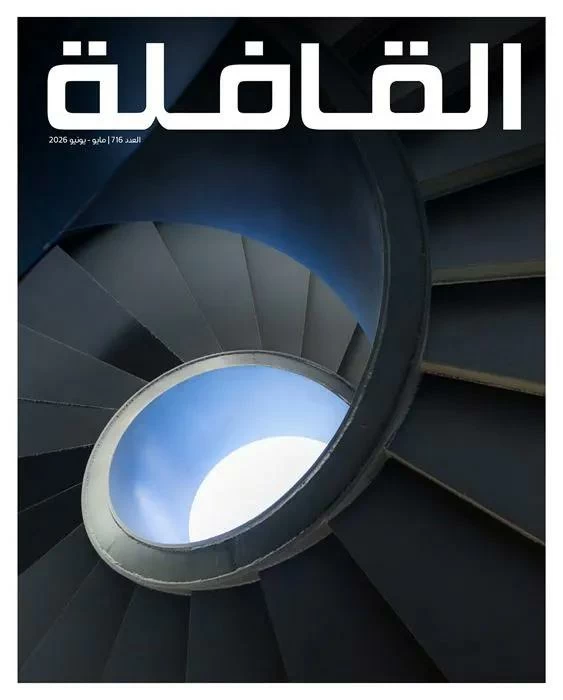
حفل العدد (716) لمجلة القافلة بموضوعات شيّقة عدة؛ منها استقراء دلالة «السُّلم»، بوصفه عنصراً معمارياً تم صنعه من مواد طبيعية بدائية، وتحوّل إلى رموز دينية واجتماعية وجمالية عبر العصور، وله دلالاته الثقافية والرمزية في اللغة، والفنون، والسينما، بما يمثله من الصعود والهبوط والتحولات النفسية والوجودية.
فيما أُنتخِب محور العدالة الثقافية ليغدو قضيّة العدد
من القوة الناعمة إلى التنمية الشاملة؛ بوصفها أساساً لتطور المجتمع ولضمان وصول الثقافة إلى الجميع، بتتبع نشأة المفهوم، وانتشاره عالمياً مشمولاً بالتنوع والتمثيل الرقمي، وحقوق الثقافات المختلفة.
وفي كتلة «أدب وفنون»، تتتبّع ندى حطيط تاريخ الخوف من الكتب من حيث أنها «سمٌّ وترياق»، مُسلّطةً الضوء على قدرتها على تغيير الوعي، انطلاقاً من الفلسفة القديمة إلى الرقابة الحديثة. ويقرأ الدكتور سعيد يقطين تحولات مفهوم «الالتزام الأدبي» منتقداً استنساخ المفاهيم الغربية.
كما يبرز الدكتور مسفر القحطاني أهمية تأسيس المعهد الملكي للأنثروبولوجيا الذي سيشكل نقلةً معرفية لدراسة الإنسان السعودي وفهم الهوية الثقافية بعمق، في حين يرصد الكاتب عبدالرحمن السليمان سيرة الفنان محمد السليم ودوره الريادي في تأسيس الفن التشكيلي السعودي، ويقدم الدكتور سعيد بنكراد رؤيته للثقافة، التي هي ترويض للطبيعة وبناء رمزي للإنسان؛ مُشكِّلةً بذلك الهوية والسلوك والمعنى.
وفي فضاء «علوم»، تناول الدكتور نضال قسوم الثقوب السوداء ابتداءً من مجرد طرحها فرضيةً فيزيائية إلى تصويرها المباشر منذ عام 2019م. وناقش الدكتور عبدالهادي الهباد اضطراب فرط الحركة وتشتّت الانتباه، الناتج عن تفاعل عوامل بيولوجية وبيئية متعددة، ورصدت الدكتورة ندى الأحمدي ظاهرة انخفاض سن البلوغ لدى الفتيات عالمياً.
واستقصت الدكتورة سماهر الضامن «الحدس» بوصفه معرفةً لا واعية متجسدة، وتستعرض تحوّله في عصر التقنيات العصبية وما بعد الإنسانية. واستعرضت آلاء الحاجي دور الفن في العلاج لتنظيم المشاعر حين تعجز اللغة عن التعبير عن الصدمات. وتتبع ناصر الرباط الحديقة الإسلامية التي شكّلت استجابة بيئية للندرة، وسافر أشرف فقيه بزاوية «عين وعدسة» إلى آيسلندا، الجزيرة البركانية التي تجمع بين الجليد والنار.
وألقت المجلة الضوء على إشكالية التلقي الفني وتحوّل العمل الفني إلى صناعةٍ خاضعة لذائقة الجمهور وفق تحليل الدكتور علي زعلة. واحتفت بجماليات اللحظات العابرة، من خلال استعراض تجربة الفنان كميل حوّا في زاوية «ضوء»، وبرنامج «العلم + أدب» الرامي لإعادة صياغة المفاهيم العلمية ضمن قوالب إنسانية مؤثرة، ليضع بين يدي القارئ مزيجاً فريداً يوازن بين التأمل الفكري العميق ومتعة استكشاف الحياة وتنوعها.
يُذكر أن «القافلة» مجلة ثقافية متنوعة، تصدر عن أرامكو السعودية منذ عام 1953م.
The issue (716) of Al-Qafila magazine features several intriguing topics; among them is an exploration of the meaning of “peace,” as an architectural element made from primitive natural materials, which has transformed into religious, social, and aesthetic symbols throughout the ages, carrying its cultural and symbolic connotations in language, arts, and cinema, representing ascents and descents as well as psychological and existential transformations.
Meanwhile, the theme of cultural justice has been chosen to become the issue’s focal point.
From soft power to comprehensive development; seen as a foundation for societal evolution and ensuring that culture reaches everyone, tracing the origin of the concept and its global spread, encompassing diversity, digital representation, and the rights of different cultures.
In the “Literature and Arts” section, Nada Hattit traces the history of fear of books as “poison and antidote,” highlighting their ability to change consciousness, from ancient philosophy to modern censorship. Dr. Said Yaqtin reads the transformations of the concept of “literary commitment,” criticizing the replication of Western concepts.
Dr. Musfer Al-Qahtani emphasizes the importance of establishing the Royal Institute of Anthropology, which will represent a cognitive leap in studying the Saudi human and deeply understanding cultural identity, while writer Abdulrahman Al-Sulaiman chronicles the life of artist Mohammed Al-Saleem and his pioneering role in establishing Saudi visual arts. Dr. Said Benkrad presents his vision of culture as a taming of nature and a symbolic construction of humanity, thus forming identity, behavior, and meaning.
In the “Sciences” space, Dr. Nidal Qassoum discusses black holes, starting from merely proposing them as a physical hypothesis to their direct imaging since 2019. Dr. Abdulhadi Al-Habadi discusses Attention Deficit Hyperactivity Disorder, resulting from the interaction of multiple biological and environmental factors, while Dr. Nada Al-Ahmadi observes the phenomenon of declining puberty age among girls globally.
Dr. Samaher Al-Dhamin investigates “intuition” as embodied unconscious knowledge, showcasing its transformation in the era of neural technologies and post-humanism. Alaa Al-Hajji reviews the role of art in therapy to organize emotions when language fails to express trauma. Nasser Al-Rabat traces the Islamic garden, which formed an environmental response to scarcity, and Ashraf Faqih traveled to Iceland in the “Eye and Lens” section, the volcanic island that combines ice and fire.
The magazine sheds light on the issue of artistic reception and the transformation of the artwork into an industry subject to public taste, according to Dr. Ali Za’ala’s analysis. It celebrates the aesthetics of fleeting moments through an overview of artist Kamil Hawa’s experience in the “Light” section, and the “Science + Literature” program aimed at reshaping scientific concepts within impactful human frameworks, providing the reader with a unique blend that balances deep intellectual contemplation with the joy of exploring life’s diversity.
It is worth mentioning that “Al-Qafila” is a diverse cultural magazine published by Saudi Aramco since 1953.