








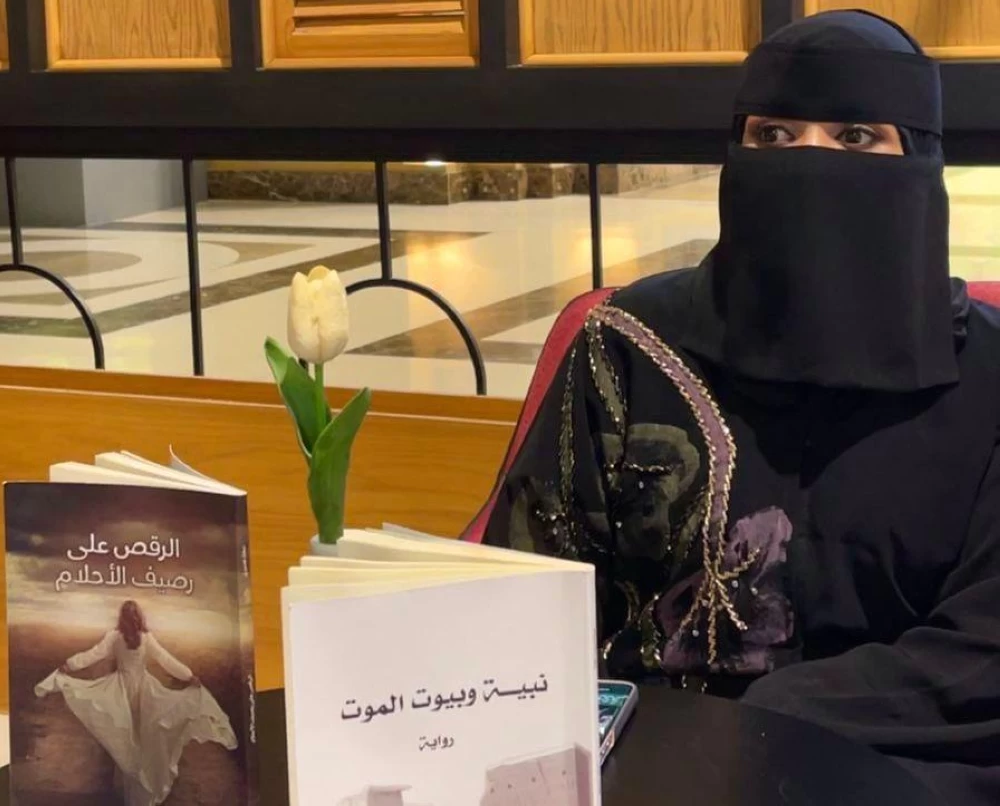
ناقشت القاصة والروائية سعاد عسيري في أمسية أدبية أقيمت بالتعاون مع الشريك الأدبي، تجربتها السردية، وعوالمها الإبداعية وأهم المحطات في مسيرتها الأدبية.
وتطرقت عسيري في حديثها مع جمهور الأمسية، عن قدرة الرواية النسائية المعاصرة على مواجهة السرديات التقليدية وكشف القضايا الشائكة بالمجتمع بجرأة فنية وعمق فلسفي في قالب إبداعي مُتجدد، والتي كانت تهمش دور المرأة، محولة إياها من مجرد «موضوع» إلى «ذات» واعية.
وأكدت عسيري لجمهور أمسيتها على أنها تؤمن بأهمية أن يُخطط الكاتب لما يكتب، وأن يكون حريصاً على تنوّع إنتاجه الأدبي، وتطوير أدواته بشكل دائم، وكيفية توظيف البيئة المحلية لتقديم دراما اجتماعية محلية بوعي إنساني عام، مما يساعدالقلم النسائي السعودي في تجاوز حدود البدائية إلى التكتيك السردي الإبداعي والاهتمام بالموروث الشعبي للمنطقة.
كما تحدثت عسيري، عن عوالم روايتها «نبيـــة وبيوت الموت»، وعبّرت عن سعادتها باستقبال الجمهور والنقاد لتلك الرواية، وما حظيت به كإصدار روائي أول لها من احتفاء نقدي بدأ من القاهرة التي شهدت ندوة نظمها اتحاد الكتاب المصريين، وشارك فيها نخبة من النقاد والأدباء، حيث كان الحديث مطولاً حول شخصيات الرواية وحضور المكان والتراث في تفاصيلها.
واختتمت عسيري حديثها بأن الكاتب لابد أن يكون لديه رسالة معينة يحاول إيصالها عبر ما يكتبه للجمهور من خلال القصة القصيرة والرواية، فالكاتب ليس دوره أن يكون مصلحاً اجتماعياً هو يطرح قضية معيّنة بطريقة إبداعية وفنية، إضافة إلى إبراز أهمية الكتابة في تعزيز الوعي وبناء الفكر، مقدّمة شكرها وتقديرها للحضور الذي شارك في الفعالية الثقافية والأدبية، وأكدت اللقاء شكّل تجربة ثقافية جميلة.
The short story writer and novelist Suad Al-Asiri discussed her narrative experience, her creative worlds, and the key milestones in her literary journey during a literary evening held in collaboration with the literary partner.
In her conversation with the audience of the evening, Al-Asiri addressed the ability of contemporary women’s novels to confront traditional narratives and reveal complex societal issues with artistic boldness and philosophical depth in a renewed creative framework, which has often marginalized the role of women, transforming them from mere “subjects” into conscious “selves.”
Al-Asiri emphasized to her audience that she believes in the importance of planning what a writer writes, being keen on the diversity of their literary output, continuously developing their tools, and how to utilize the local environment to present local social drama with a general human awareness. This helps the Saudi women’s pen to move beyond the primitive boundaries to creative narrative tactics and an interest in the region’s folklore.
Al-Asiri also spoke about the worlds of her novel “Nabiya and the Houses of Death,” expressing her happiness with the reception of the audience and critics for that novel, and the critical celebration it received as her first novel release, which began in Cairo with a seminar organized by the Egyptian Writers’ Union, featuring a select group of critics and writers. The discussion was extensive regarding the characters of the novel and the presence of place and heritage in its details.
Al-Asiri concluded her talk by stating that a writer must have a specific message they are trying to convey to the audience through short stories and novels. The writer’s role is not to be a social reformer; rather, they present a particular issue in a creative and artistic manner, in addition to highlighting the importance of writing in enhancing awareness and building thought. She expressed her gratitude and appreciation to the attendees who participated in the cultural and literary event, affirming that the meeting constituted a beautiful cultural experience.