




 حالة الطقس


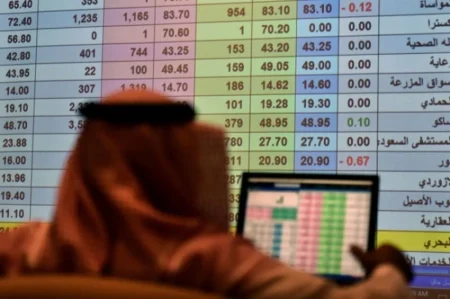
سجلت مؤشرات البورصات الخليجية ارتفاعاً جماعياً في ختام تعاملات اليوم (الإثنين)، باستثناء بورصة مسقط التي خالفت الاتجاه الصاعد. وأغلق مؤشر السوق السعودية فوق مستوى 10 آلاف نقطة للجلسة الرابعة على التوالي، فيما أغلق مؤشر سوق دبي المالي عند أعلى مستوياته في 4 أشهر، وسط أداء إيجابي للأسواق الإقليمية.
أسعار النفط
وعمقت أسعار النفط خسائرها في تعاملات اليوم، بعد أن صرح الرئيس الأمريكي دونالد ترمب بأنه من غير المرجح أن يأمر بشن هجمات جديدة على إيران في ظل إحراز تقدم في المحادثات الرامية إلى إنهاء الصراع، على الرغم من إعلان كلا البلدين عن وقوع هجمات على سفن في مضيق هرمز أو بالقرب منه. وبحلول الساعة 12:00 بتوقيت غرينتش، انخفض سعر خام برنت 3.36 دولاراً أو 3.42% إلى 94.96 دولار للبرميل. ونزل خام غرب تكساس الوسيط 2.48 دولار أو 2.73% إلى 88.35 دولار للبرميل.
المعروض العالمي
وقال بنك جي. بي مورغان في تقرير صدر أخيراً: «إن النفط يتجه نحو تحقيق فائض مرة أخرى، إذ أدى تعافي تدفقات النفط من الشرق الأوسط وارتفاع الإنتاج من دول أخرى وضعف الطلب إلى دفع المعروض العالمي إلى ما فوق مستوى الاستهلاك». وقدر البنك الفائض بنحو 1.1 مليون برميل يومياً في سبتمبر الماضي، على أن يرتفع إلى 1.4 مليون برميل يومياً في أكتوبر.
The Gulf stock markets recorded a collective increase at the close of trading today (Monday), except for the Muscat Stock Exchange, which deviated from the upward trend. The Saudi market index closed above the 10,000-point level for the fourth consecutive session, while the Dubai Financial Market index closed at its highest level in 4 months, amid positive performance in regional markets.
Oil Prices
Oil prices deepened their losses in today’s trading after U.S. President Donald Trump stated that it is unlikely he will order new attacks on Iran amid progress in talks aimed at ending the conflict, despite both countries announcing attacks on ships in or near the Strait of Hormuz. By 12:00 GMT, Brent crude fell by $3.36 or 3.42% to $94.96 per barrel. West Texas Intermediate crude dropped by $2.48 or 2.73% to $88.35 per barrel.
Global Supply
J.P. Morgan Bank stated in a recent report: “Oil is heading towards a surplus again, as the recovery of oil flows from the Middle East, increased production from other countries, and weak demand have pushed global supply above consumption levels.” The bank estimated the surplus at about 1.1 million barrels per day in September, expected to rise to 1.4 million barrels per day in October.