



 حالة الطقس

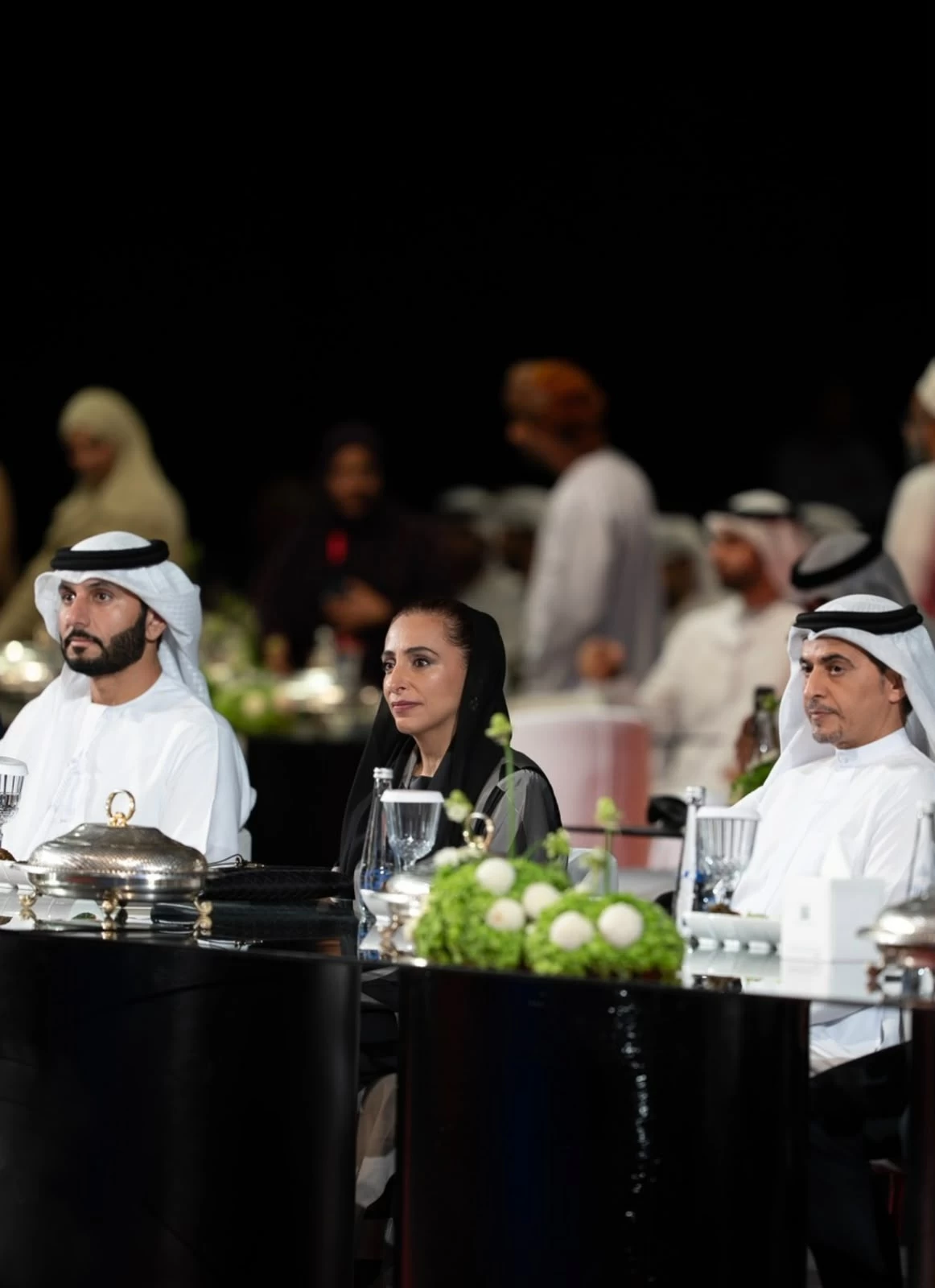
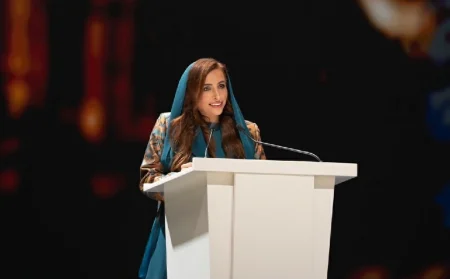
كرمت الشيخة بدور بنت سلطان القاسمي رئيسة مجلس إدارة هيئة الشارقة للكتاب، الفائزين بالدورة الثامنة عشرة من الجائزة الدولية لأدب الطفل العربي، خلال حفل أقيم ضمن فعاليات معرض الشارقة الدولي للكتاب 2026. وتوزعت الجوائز على خمسة كتب صادرة عن دور نشر في الأردن وسويسرا وتركيا وكندا.
واستقبلت الجائزة التي ينظمها المجلس الإماراتي لكتب اليافعين بدعم من اتصالات، 475 مشاركة من 20 دولة، قدمها 148 ناشرا، بمشاركة 324 مؤلفا و231 رساما. وارتفعت الترشيحات بنحو 17% مقارنة بالدورة السابقة، فيما زاد عدد الناشرين المشاركين بنسبة 28%.
وفاز كتاب «أشكال من الخيال» بجائزة الطفولة المبكرة، وهو من تأليف ناصر الدوسري «السيد نون» ورسوم مايا مجدلاني، وصادر عن دار زينغو رينغو في سويسرا. ويعتمد الكتاب على الأشكال الهندسية والأسئلة المفتوحة لإشراك الطفل في تخيل ما يمكن أن تتحول إليه من بيوت وأشجار وحيوانات، مع مساحة للرسم وتأليف الحكايات.
ونال كتاب «فهمان» جائزة الكتاب المصور، من تأليف مسرة طوقان ورسوم مايا مجدلاني، وصادر عن كليلة ودمنة في الأردن. ويستخدم القارئ عدسة حمراء تكشف تفاصيل مخفية في الرسوم، ضمن رحلة تشجعه على السؤال والتحقق والوصول إلى تفسير علمي مبسط.
وذهبت جائزة «كتاب ذو فصول» إلى «عقول لا تحاصر»، بفكرة لينا أبو شعبان وتأليف شيرين سبانخ، ورسوم شروق إدريس وأماني البابا وعبدالله القواريق ونعيم عجولي وديالا زاده، وصادر عن جبل عمان ناشرون في الأردن. ويروي الكتاب قصص خمسة أطفال من غزة يستخدمون الخردة والألواح القديمة والدراجات وبقايا النباتات لإيجاد حلول لمشكلات الضوء والدفء والتواصل وسط الحصار والدمار.
وفاز «الفتى الذي أضاع حلمه» بجائزة كتاب اليافعين، من تأليف ورسوم ريمه الشعال، وصادر عن رؤية للنشر والتوزيع في تركيا. وتدور أحداثه في دمشق أواخر القرن التاسع عشر، متتبعا حياة فتى تصطدم أحلامه بقيود أسرته، قبل أن يقوده قرار إلى مسار لم يتوقعه.
أما جائزة الكتب الواقعية فنالها «نزهة العارفين مع علماء العرب والمسلمين»، من تأليف مهند العاقوص ورسوم عمر لافي، وصادر عن كتب نون التابعة لمؤسسة ناهد الشوا الثقافية في كندا. ويعرف الكتاب القراء الصغار بإسهامات العلماء العرب والمسلمين وأثرها في تاريخ المعرفة.
وقالت رئيسة المجلس الإماراتي لكتب اليافعين مروة العقروبي إن أثر الجائزة يرتبط بتحسين كتب الأطفال وتوسيع فرص المبدعين، مشيرة إلى أهمية وصول الأعمال الفائزة إلى المدارس والمكتبات، والاهتمام بحقوق نشرها وترجمتها، وتكامل عمل المؤلف والرسام والناشر.
واستوفت 434 مشاركة شروط الجائزة، واختيرت منها قائمة قصيرة ضمت 25 كتابا عن 17 دار نشر من ثماني دول. وشملت معايير التقييم أصالة الفكرة وجودة النص والرسوم وسلامة اللغة والإنتاج وملاءمة المحتوى للفئة العمرية. كما كرمت بدور القاسمي أعضاء لجنة التحكيم الخمسة تقديرا لعملهم في تقييم المشاركات واختيار الفائزين.
وتصدرت الإمارات المشاركات بحسب بلد دار النشر بـ149 كتابا، تلتها مصر بـ115 ثم الأردن بـ52 والسعودية بـ43 ولبنان بـ27. وامتدت جنسيات المبدعين المشاركين إلى 29 دولة للمؤلفين و33 دولة للرسامين.
واختتمت الكتب الواقعية عامها الثاني ضمن الفئة المتغيرة التي تخصص كل عامين لمجال مختلف، على أن تقدم الجائزة فئة جديدة في دورتها المقبلة.
Sheikha Bodour bint Sultan Al Qasimi, Chairperson of the Sharjah Book Authority, honored the winners of the eighteenth edition of the International Award for Arabic Children’s Literature during a ceremony held as part of the Sharjah International Book Fair 2026. The awards were distributed among five books published by publishing houses in Jordan, Switzerland, Turkey, and Canada.
The award, organized by the UAE Board on Books for Young People with the support of Etisalat, received 475 submissions from 20 countries, presented by 148 publishers, with the participation of 324 authors and 231 illustrators. Nominations increased by about 17% compared to the previous edition, while the number of participating publishers rose by 28%.
The book “Shapes of Imagination” won the Early Childhood Award, authored by Nasser Al-Dosari “Mr. Noon” and illustrated by Maya Majdalani, published by Zingo Ringo in Switzerland. The book relies on geometric shapes and open-ended questions to engage the child in imagining what houses, trees, and animals can transform into, with space for drawing and storytelling.
The book “Fahman” won the Picture Book Award, authored by Masarra Touqan and illustrated by Maya Majdalani, published by Kalila wa Dimna in Jordan. The reader uses a red lens that reveals hidden details in the illustrations, within a journey that encourages questioning, verification, and arriving at a simplified scientific explanation.
The “Book with Chapters” award went to “Minds Not Confined,” with the idea by Lina Abu Shaaban and authored by Sherine Sbanekh, illustrated by Shurooq Idris, Amani Al-Baba, Abdullah Al-Qawariq, Naeem Ajouli, and Diala Zada, published by Jabal Amman Publishers in Jordan. The book tells the stories of five children from Gaza who use scrap materials, old boards, bicycles, and plant remnants to find solutions to problems of light, warmth, and communication amidst siege and destruction.
“The Boy Who Lost His Dream” won the Young Adult Book Award, authored and illustrated by Reema Al-Shaal, published by Ru’ya for Publishing and Distribution in Turkey. Its events take place in Damascus in the late 19th century, following the life of a boy whose dreams collide with his family’s constraints, before a decision leads him down an unexpected path.
The Non-Fiction Award was won by “A Stroll with the Scholars of the Arabs and Muslims,” authored by Muhannad Al-Aqous and illustrated by Omar Lafi, published by Noon Books, part of the Nahed Al-Shawa Cultural Foundation in Canada. The book introduces young readers to the contributions of Arab and Muslim scholars and their impact on the history of knowledge.
Marwa Al-Aqroubi, Chairperson of the UAE Board on Books for Young People, stated that the impact of the award is linked to improving children’s books and expanding opportunities for creators, emphasizing the importance of making the winning works accessible to schools and libraries, and paying attention to their publishing and translation rights, as well as the collaboration between the author, illustrator, and publisher.
A total of 434 submissions met the award criteria, from which a shortlist of 25 books from 17 publishing houses across eight countries was selected. The evaluation criteria included originality of the idea, quality of the text and illustrations, language accuracy, production quality, and content suitability for the age group. Bodour Al Qasimi also honored the five jury members in appreciation of their work in evaluating the submissions and selecting the winners.
The UAE topped the submissions by the country of the publishing house with 149 books, followed by Egypt with 115, Jordan with 52, Saudi Arabia with 43, and Lebanon with 27. The nationalities of the participating creators extended to 29 countries for authors and 33 countries for illustrators.
The Non-Fiction category concluded its second year within the rotating category that is dedicated every two years to a different field, with a new category to be introduced in the next edition of the award.