



 حالة الطقس

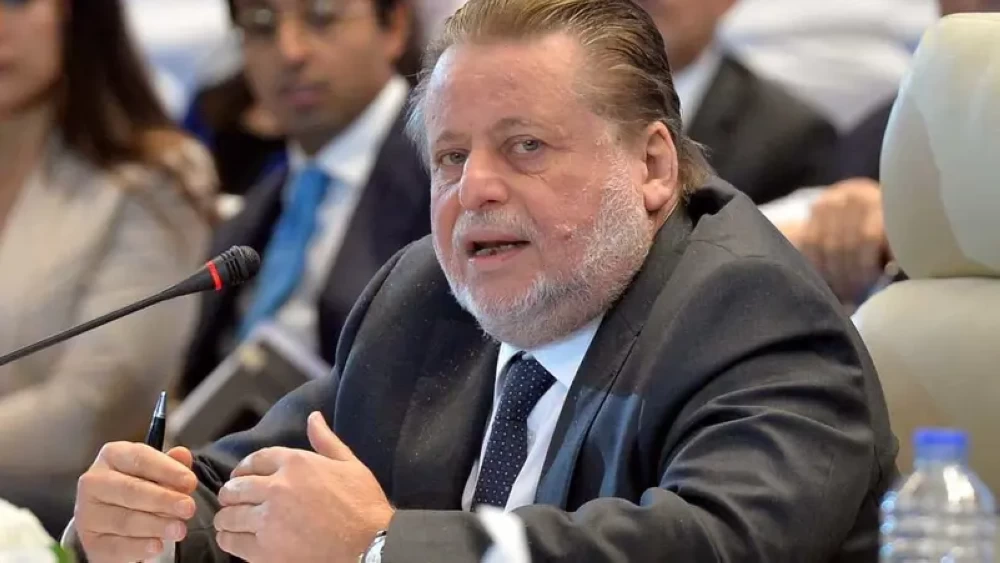
كشف محافظ البنك المركزي المصري حسن عبد الله، أن مصر تستهدف جعل الجنيه عملة قابلة للتحويل قانونياً خارج البلاد خلال السنوات الخمس القادمة، بما يتيح استبداله في الدول الأخرى وفتح حسابات مصرفية بالجنيه المصري خارج مصر، في خطوة تستهدف تعزيز التعاملات الدولية بالعملة المحلية.
وأوضح خلال جلسة «البرنامج الوطني للتحول الاقتصادي»، ضمن فعاليات اليوم الخامس من «منتدى مصر 2026»، أن تحقيق هذا الهدف يتطلب مساراً يمتد لنحو 5 سنوات، مؤكداً أن البنك المركزي بدأ العمل عليه، رغم التحديات المرتبطة بتنفيذه.
وأشار إلى أن المؤسسات المالية الدولية صنفت مصر أخيراً ضمن الدول التي تتبنى نظام سعر الصرف المرن، لافتاً إلى أن الخطوة المستهدفة تأتي امتداداً لهذا التوجه.
وأفاد بأن احتياطيات النقد الأجنبي بلغت حالياً 57.3 مليار دولار، موضحاً أن البنك المركزي لا يستهدف رقماً محدداً للاحتياطيات، وإنما يركز على تحقيق مستويات آمنة وفق المعايير الدولية، وفي مقدمتها القدرة على تغطية الالتزامات الخارجية المستحقة خلال عام.
وبيّن أن نسبة تغطية الاحتياطيات لهذه الالتزامات ارتفعت من مستويات تراوحت بين 70% و80% إلى 102% حالياً، مؤكداً استهداف المحافظة على تغطية لا تقل عن 100% من الالتزامات السنوية.
وأضاف أن مصر بلغت الحد الأعلى من المعايير الدولية المتعلقة بتغطية الواردات السلعية، التي تتراوح بين 3 و6 أشهر، مشيراً إلى أن تسجيل تغطية بلغت 7.7 شهر خلال إحدى السنوات المالية السابقة لم يكن نتيجة زيادة الاحتياطيات، وإنما بسبب الانخفاض الحاد في حجم الواردات آنذاك.
وأكد أن البنك المركزي يعمل أيضاً على تحسين جودة الاحتياطيات النقدية، من خلال الاستثمار في أصول مرتفعة الجودة الائتمانية، وتنويع العملات، وإمكانية إدراج الذهب، بما يضمن توافر السيولة وسهولة الوصول إلى الأموال عند الحاجة.
The Governor of the Central Bank of Egypt, Hassan Abdullah, revealed that Egypt aims to make the pound a legally convertible currency abroad within the next five years, allowing it to be exchanged in other countries and enabling the opening of bank accounts in Egyptian pounds outside Egypt, in a move aimed at enhancing international transactions in the local currency.
He explained during the session on the “National Economic Transformation Program,” part of the fifth day of the “Egypt 2026 Forum,” that achieving this goal requires a path extending over about 5 years, confirming that the Central Bank has begun working on it, despite the challenges associated with its implementation.
He pointed out that international financial institutions recently classified Egypt among the countries adopting a flexible exchange rate system, noting that the targeted step is an extension of this trend.
He stated that foreign currency reserves currently stand at $57.3 billion, clarifying that the Central Bank does not target a specific number for reserves, but rather focuses on achieving safe levels according to international standards, foremost among them the ability to cover external obligations due within a year.
He indicated that the coverage ratio of reserves for these obligations has risen from levels ranging between 70% and 80% to 102% currently, emphasizing the aim to maintain coverage of no less than 100% of annual obligations.
He added that Egypt has reached the upper limit of international standards related to covering merchandise imports, which range between 3 and 6 months, pointing out that recording a coverage of 7.7 months during one of the previous financial years was not due to an increase in reserves, but rather because of the sharp decline in the volume of imports at that time.
He confirmed that the Central Bank is also working on improving the quality of cash reserves by investing in high credit quality assets, diversifying currencies, and potentially including gold, ensuring liquidity availability and easy access to funds when needed.