




 حالة الطقس

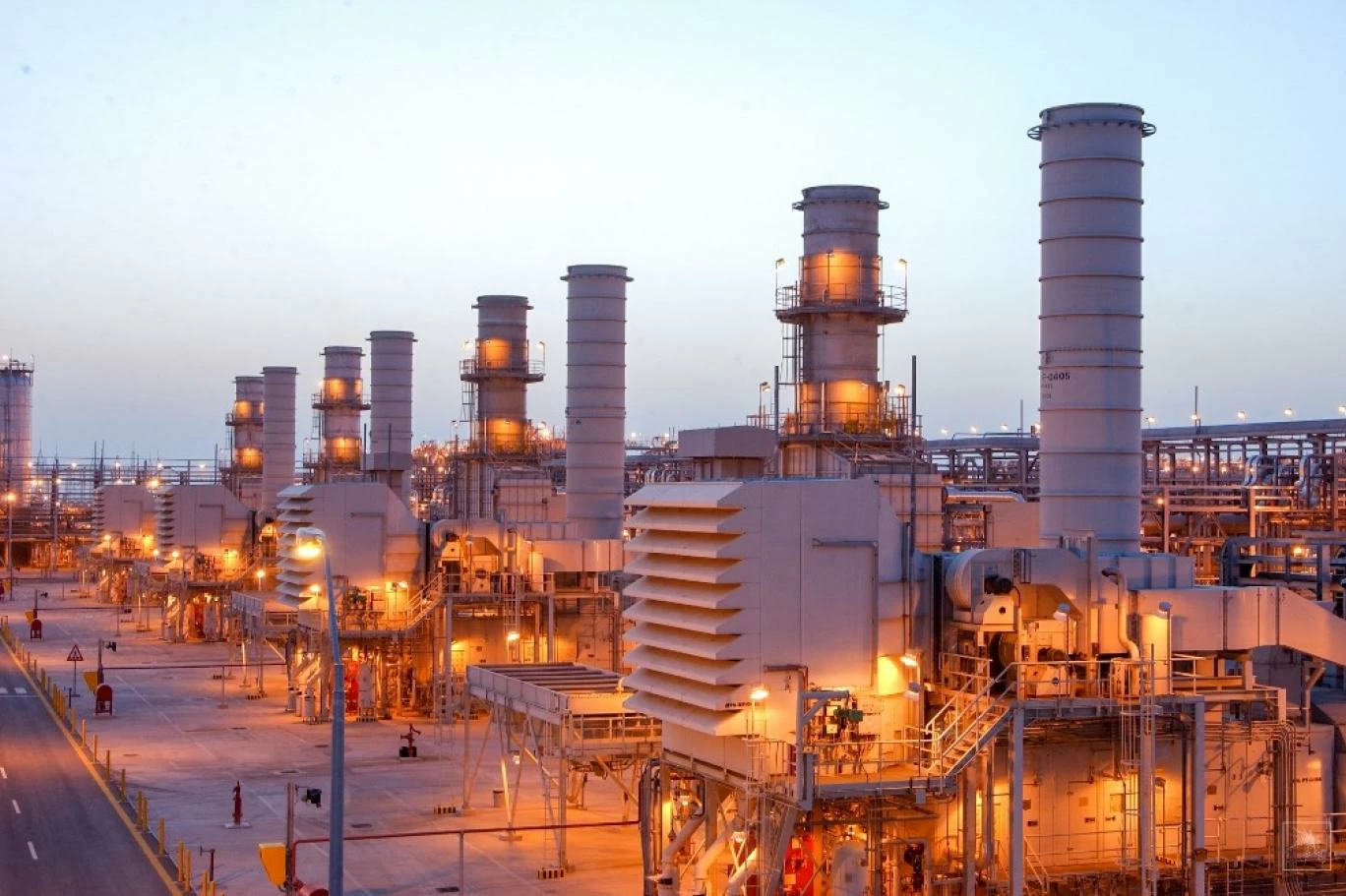
تتجه صادرات السعودية من النفط خلال أكتوبر الجاري إلى تسجيل ثاني أعلى مستوى شهري منذ اندلاع حرب إيران نهاية فبراير الماضي، وفقاً لبيانات شركة «كبلر» المتخصصة في تتبع الشحنات والسلع.
وكشفت البيانات أن متوسط صادرات المملكة بلغ 5.55 مليون برميل يومياً خلال الفترة من 1 إلى 15 أكتوبر، مقارنة بـ7.16 مليون برميل يومياً في سبتمبر الماضي، الذي سجل أعلى مستوى شهري منذ اندلاع الحرب، فيما بلغ متوسط الصادرات في فبراير 7.33 مليون برميل يومياً، وهو الأعلى منذ بداية العام،
وأظهرت بيانات «كبلر» التي نقلتها «الشرق بلومبيرغ» أن صادرات النفط من ميناء رأس تنورة على الخليج العربي بلغت 2.98 مليون برميل يومياً خلال النصف الأول من أكتوبر، مقابل 4.16 مليون برميل يومياً في سبتمبر، فيما سجل ميناء ينبع على البحر الأحمر صادرات بمتوسط 2.34 مليون برميل يومياً، مقارنة بـ2.54 مليون برميل يومياً خلال الفترة نفسها، إضافة إلى 229 ألف برميل يومياً من موانئ تحميل أخرى غير محددة.
وعكست البيانات مرونة شركة «أرامكو» السعودية في إدارة مسارات تصدير النفط، وإعادة توجيه الشحنات بين الخليج العربي والبحر الأحمر، مستفيدة من خط أنابيب «شرق-غرب» الذي يربط المنطقة الشرقية بميناء ينبع.
وكانت صادرات رأس تنورة قد توقفت بالكامل خلال أبريل ومايو الماضيين، قبل أن تتولى ينبع تصدير كامل الشحنات السعودية، لتصل صادراتها إلى ذروتها في يونيو عند 4.29 مليون برميل يومياً، بما يعادل نحو 93% من إجمالي الصادرات، مقارنة بـ815 ألف برميل يومياً في فبراير.
وعادت «أرامكو» إلى تكثيف عمليات التصدير عبر رأس تنورة عقب استهداف خط أنابيب «شرق-غرب» بطائرات مسيّرة انطلقت من العراق خلال سبتمبر الماضي، لترتفع صادرات الميناء إلى نحو مثلي صادرات ينبع خلال الشهر نفسه.
Saudi oil exports are set to record the second highest monthly level in October, following the outbreak of the Iran War at the end of February, according to data from the shipping and commodities tracking company “Kpler.”
The data revealed that the average exports from the Kingdom reached 5.55 million barrels per day during the period from October 1 to 15, compared to 7.16 million barrels per day in September, which recorded the highest monthly level since the outbreak of the war, while the average exports in February were 7.33 million barrels per day, the highest since the beginning of the year.
Kpler’s data, as reported by “Asharq Bloomberg,” showed that oil exports from the Ras Tanura port on the Arabian Gulf reached 2.98 million barrels per day during the first half of October, compared to 4.16 million barrels per day in September, while the Yanbu port on the Red Sea recorded exports averaging 2.34 million barrels per day, compared to 2.54 million barrels per day during the same period, in addition to 229,000 barrels per day from unspecified loading ports.
Saudi exports maintained their levels despite disruptions in navigation in the Arabian Gulf and the Strait of Hormuz, the escalation of Iranian attacks on ships, along with the continued Houthi attacks on Saudi lands and facilities.
The data reflected the resilience of Saudi “Aramco” in managing oil export routes and redirecting shipments between the Arabian Gulf and the Red Sea, benefiting from the “East-West” pipeline that connects the Eastern Province to the Yanbu port.
Exports from Ras Tanura had completely stopped during April and May, before Yanbu took over the export of all Saudi shipments, reaching its peak in June at 4.29 million barrels per day, accounting for about 93% of total exports, compared to 815,000 barrels per day in February.
Aramco resumed intensifying export operations through Ras Tanura following the targeting of the “East-West” pipeline by drones launched from Iraq during September, with the port’s exports rising to nearly double those of Yanbu during the same month.