

 حالة الطقس
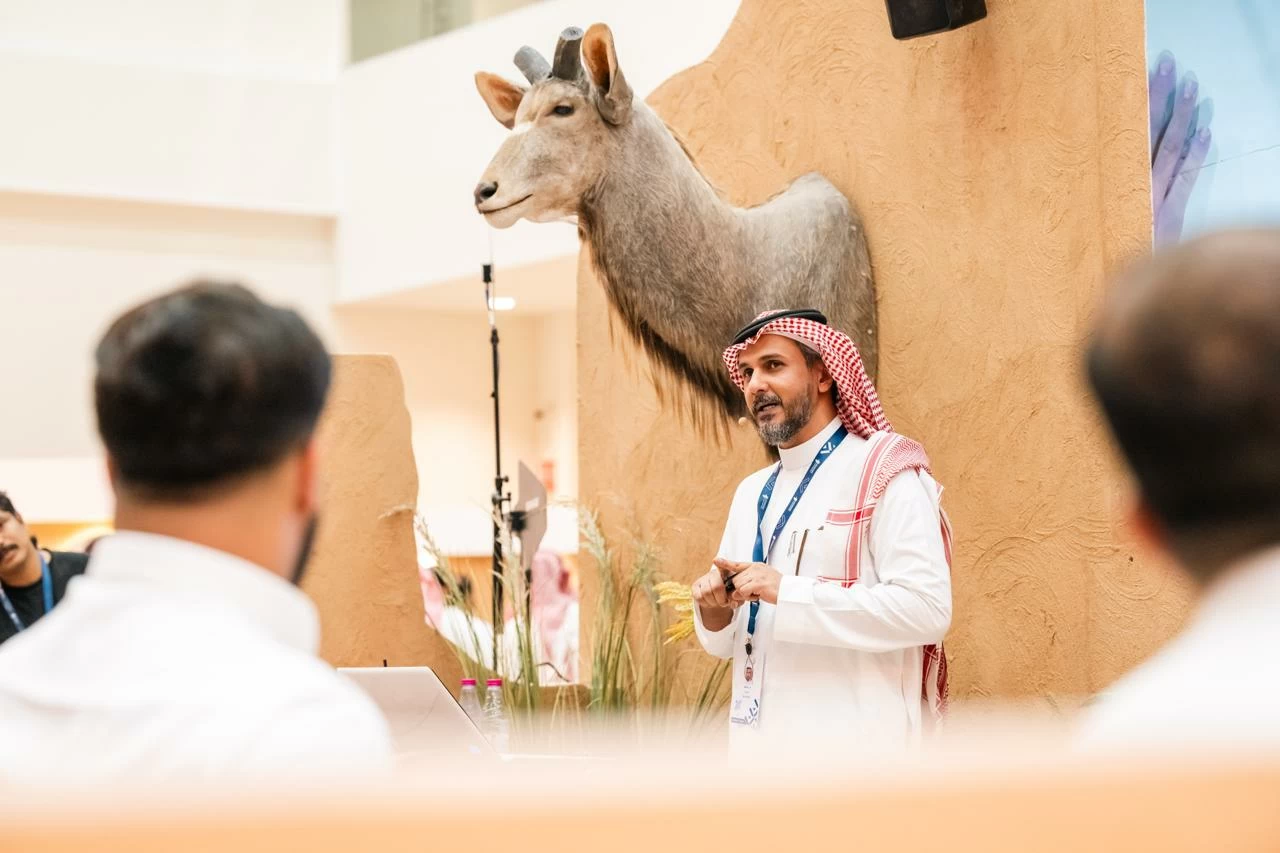
استعرض أخصائي التحنيط بدر المسيب اليوم، مراحل تحنيط الحيوانات والأساليب المتبعة في الحفاظ على مظهرها الخارجي وتفاصيلها الطبيعية، وذلك خلال ورشة عمل بعنوان «كيف تحنط الحيوانات؟»، ضمن الفعاليات الثقافية والمعرفية المصاحبة لمعرض الصقور والصيد السعودي الدولي 2026.
وتناولت الورشة، التي تقام يوميًا، أهمية الكائنات الفطرية في التوازن البيئي، والاستفادة من الحيوانات النافقة في إعداد نماذج تحمل قيمة علمية وثقافية وجمالية، إضافة إلى طرق العناية بالمحنطات ومعالجة المشكلات التي قد تتعرض لها بمرور الوقت.
وأوضح المسيب خلال الورشة مفهوم التحنيط وأبرز الأسس التي يقوم عليها، مشيرًا إلى أن الحفاظ على المظهر الخارجي للحيوان قريبًا من هيئته الطبيعية يتطلب معرفة بخصائص جسمه، إلى جانب المهارة والدقة في تنفيذ المراحل المختلفة.
واستعرض عبر تسلسل مصور مراحل العمل، بدءًا من سلخ الجلد وفصله بعناية، مرورًا بإعداد الرأس وتعويض الأجزاء الداخلية بمواد تساعد على استعادة الشكل الطبيعي، ثم معالجة الجلد وتهيئته للمراحل اللاحقة.
كما تناول بناء الدعامة الداخلية وتجميع أجزائها، ثم مراحل الخياطة والحشو وتشكيل الرقبة والأطراف، موضحًا أثر الدقة في كل مرحلة على تناسق الجسم والمحافظة على تفاصيله وإظهار المحنط بصورة قريبة من هيئته الطبيعية.
وتأتي الورشة ضمن برنامج من ورش العمل التي يقدمها المعرض في مجالات ترتبط بالصقور والصيد والحياة الفطرية والحرف والمهارات المصاحبة، بما يتيح للزوار التعرف على عدد من المعارف والتقنيات من خلال متخصصين في مجالاتها.
ويقام معرض الصقور والصيد السعودي الدولي 2026، الذي ينظمه المركز الوطني للصقور، خلال الفترة من 1 إلى 10 أكتوبر في مركز الرياض للمعارض والمؤتمرات بملهم شمال مدينة الرياض، تحت شعار «وجهة للجميع»، ويقدم برنامجًا من الفعاليات والتجارب الثقافية والمعرفية والتراثية المصاحبة.
Today, taxidermist Badr Al-Musayyib showcased the stages of animal taxidermy and the methods used to preserve their external appearance and natural details during a workshop titled “How to Taxidermy Animals?”, as part of the cultural and educational activities accompanying the Saudi International Falcons and Hunting Exhibition 2026.
The workshop, which is held daily, addressed the importance of wildlife in ecological balance and the utilization of deceased animals to create models that carry scientific, cultural, and aesthetic value, in addition to methods of caring for taxidermied specimens and addressing issues they may face over time.
Al-Musayyib explained during the workshop the concept of taxidermy and the main principles it is based on, noting that maintaining the external appearance of the animal close to its natural form requires knowledge of its body characteristics, along with skill and precision in executing the various stages.
He presented a visual sequence of the work stages, starting from carefully skinning the animal and separating the skin, moving on to preparing the head and replacing the internal parts with materials that help restore the natural shape, and then treating the skin and preparing it for subsequent stages.
The workshop also covered building the internal support and assembling its parts, followed by the stages of sewing, stuffing, and shaping the neck and limbs, explaining the impact of precision in each stage on the harmony of the body and the preservation of its details, presenting the taxidermied specimen in a way that closely resembles its natural form.
This workshop is part of a program of workshops offered by the exhibition in areas related to falcons, hunting, wildlife, crafts, and accompanying skills, allowing visitors to learn about various knowledge and techniques from specialists in their fields.
The Saudi International Falcons and Hunting Exhibition 2026, organized by the National Center for Falcons, will take place from October 1 to 10 at the Riyadh Exhibition and Conference Center in Mulham, north of Riyadh, under the slogan “A Destination for Everyone,” and will feature a program of accompanying cultural, educational, and heritage activities.