



 حالة الطقس
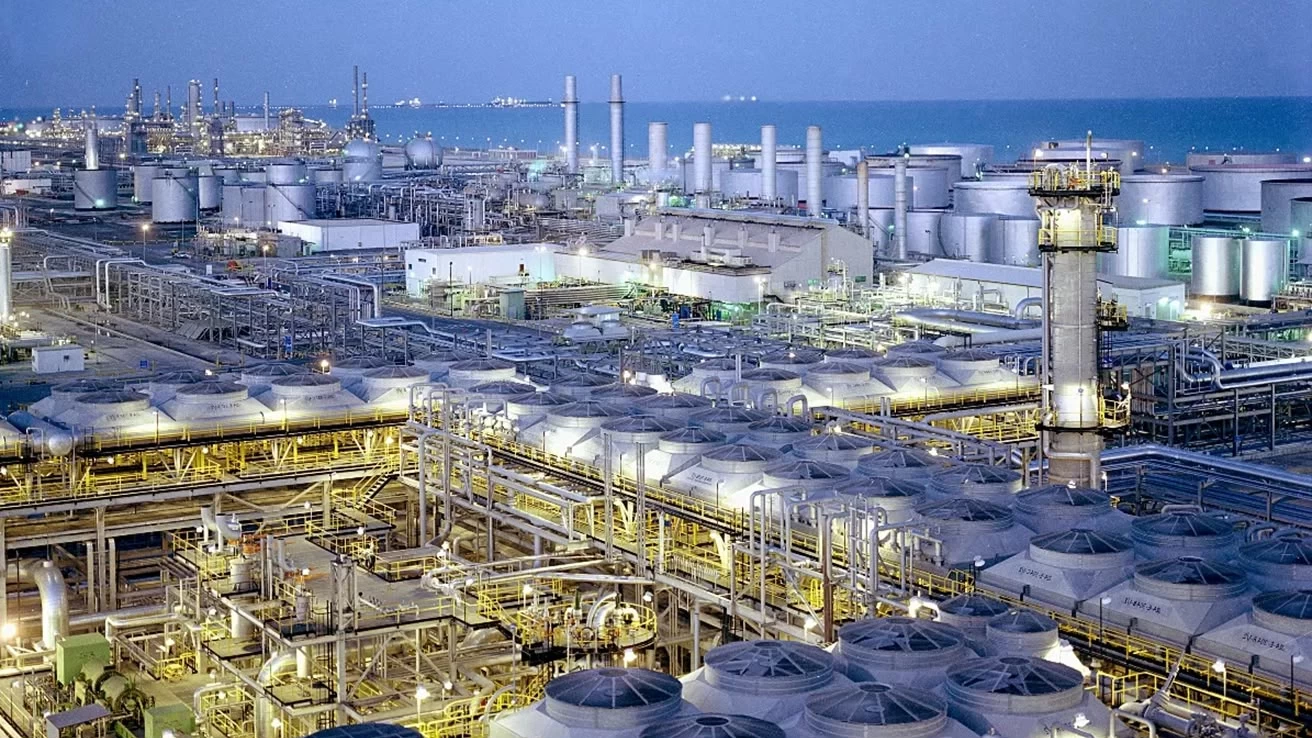
كشفت دراسة حديثة لمركز الملك عبدالله للدراسات والبحوث البترولية «كابسارك»، أن الطاقة النووية قد توفر للسعودية خياراً تنافسياً لإنتاج كهرباء مستقرة ومنخفضة الكربون، بكلفة تقدر بنحو 60 دولاراً لكل ميغاواط/ساعة، تقل بنحو 30% عن كلفة الطاقة الشمسية الكهروضوئية المقترنة بالبطاريات، بحسب مستوى موثوقية الإمداد المطلوب. وأوضحت الدراسة أن المقارنة لا تعني انخفاض كلفة النووي عن الطاقة الشمسية منفردة، وإنما تأخذ في الاعتبار كلفة التخزين اللازمة لتوفير الكهرباء عند غياب أشعة الشمس، بما يتيح إمدادات أكثر استمرارية للأنشطة التي تعمل على مدار الساعة.
وأظهرت الدراسة، التي حملت عنوان «الطاقة النووية في المملكة العربية السعودية: تقييم فرص توليد الكهرباء والاستخدامات الأخرى»، أن القدرة على توفير الكهرباء المستقرة تكتسب أهمية متزايدة مع نمو الأنشطة كثيفة الاستهلاك للطاقة. وبيّنت أن الطاقة النووية تصبح أكثر قدرة على المنافسة أمام محطات توليد الكهرباء بالغاز الطبيعي عندما تتجاوز أسعار الغاز نحو 6 دولارات لكل مليون وحدة حرارية بريطانية، ما يجعل أسعار الوقود ومستويات الموثوقية المطلوبة عاملين رئيسيين عند المفاضلة بين تقنيات التوليد.
ووفق الدراسة، لا تقتصر الفرص المحتملة للطاقة النووية على توليد الكهرباء، إذ يمكن الاستفادة منها في توفير الكهرباء والحرارة والبخار للعمليات الصناعية، ومن بينها أنشطة قطاع النفط والغاز، إضافة إلى تطبيقات مستقبلية تشمل إنتاج الهيدروجين منخفض الكربون والتقاط ثاني أكسيد الكربون، والصناعات التي تتطلب إمدادات حرارية مستمرة، مع اختلاف الجدوى الاقتصادية لكل استخدام وفق نضج التقنية وكلفة البدائل المتاحة.
وأشارت الدراسة إلى أن طول مدة تطوير المشاريع النووية يمثل أحد أبرز التحديات أمام مساهمتها في تلبية الزيادة السريعة في الطلب خلال السنوات القريبة، ما يعزّز ارتباط دورها بالحاجات طويلة الأجل. وخلصت إلى أن قيمة الطاقة النووية المحتملة للمملكة تتجاوز إنتاج الكهرباء إلى دعم القطاعات التي تحتاج إلى طاقة مستقرة ومنخفضة الكربون، ما يضعها ضمن الخيارات التي يمكن تقييمها إلى جانب الغاز والطاقة الشمسية وتقنيات التخزين في مزيج الطاقة المستقبلي.
A recent study by the King Abdullah Petroleum Studies and Research Center (KAPSARC) revealed that nuclear energy could provide Saudi Arabia with a competitive option for producing stable and low-carbon electricity, at an estimated cost of around $60 per megawatt-hour, which is about 30% lower than the cost of solar photovoltaic energy combined with batteries, depending on the required reliability of supply. The study clarified that the comparison does not imply that nuclear costs less than solar energy alone, but rather takes into account the storage costs necessary to provide electricity in the absence of sunlight, allowing for more continuous supplies for activities that operate around the clock.
The study, titled “Nuclear Energy in the Kingdom of Saudi Arabia: Assessing Electricity Generation Opportunities and Other Uses,” showed that the ability to provide stable electricity is gaining increasing importance with the growth of energy-intensive activities. It indicated that nuclear energy becomes more competitive against natural gas power plants when gas prices exceed about $6 per million British thermal units, making fuel prices and the required reliability levels key factors when comparing generation technologies.
According to the study, the potential opportunities for nuclear energy are not limited to electricity generation; it can also be utilized to provide electricity, heat, and steam for industrial processes, including activities in the oil and gas sector, in addition to future applications that include low-carbon hydrogen production and carbon capture, as well as industries that require continuous thermal supplies, with the economic feasibility of each use varying according to technological maturity and the cost of available alternatives.
The study pointed out that the long duration of developing nuclear projects represents one of the most significant challenges to its contribution to meeting the rapid increase in demand in the near years, which reinforces its role’s connection to long-term needs. It concluded that the potential value of nuclear energy for the Kingdom extends beyond electricity generation to support sectors that require stable and low-carbon energy, placing it among the options that can be evaluated alongside gas, solar energy, and storage technologies in the future energy mix.