


 حالة الطقس
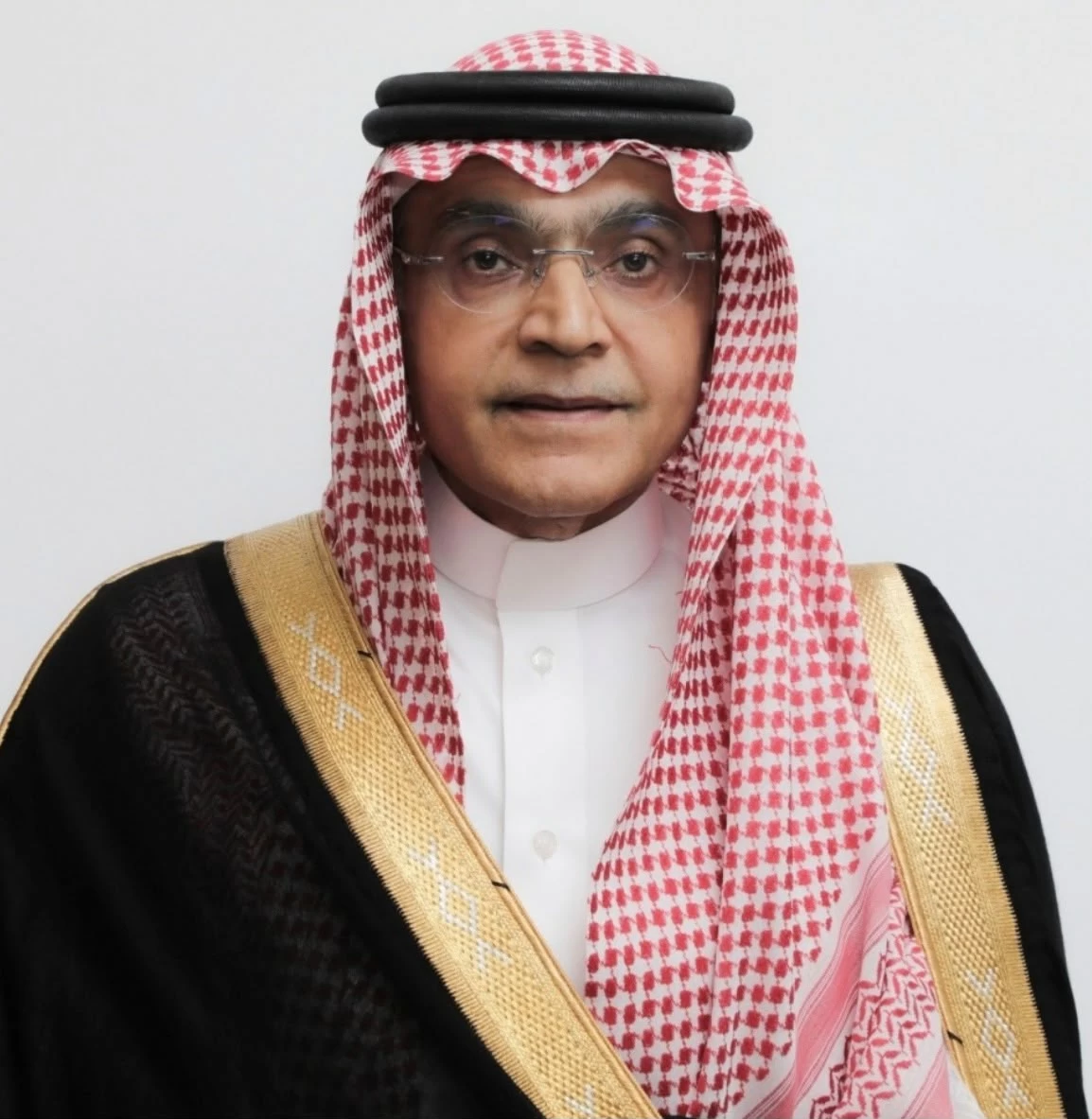
تسلّمت المملكة العربية السعودية رئاسة اتحاد الغرف العربية في دورته الجديدة، ممثلةً برئيس اتحاد الغرف السعودية، رئيس الغرفة الإسلامية للتجارة والتنمية عبدالله صالح كامل، خلفًا للجمهورية التونسية، وفق نظام التداول الأبجدي لرئاسة الاتحاد بين الدول العربية.
تحفيز الاستثمار والإنتاج المشترك
وتتزامن رئاسة المملكة مع تنفيذ إستراتيجية الاتحاد للفترة 2026 – 2030، التي تستهدف توسيع التكامل الاقتصادي العربي عبر تحفيز الاستثمار والإنتاج المشترك، وربط رؤوس الأموال بالفرص الاستثمارية، وتطوير سلاسل القيمة، وتمكين المنشآت الصغيرة والمتوسطة، وتعزيز مشاركة القطاع الخاص في تحديد الأولويات الاقتصادية العربية.
وتتجه المرحلة القادمة إلى إعطاء أولوية للاستثمار العربي المشترك والتكامل الإنتاجي والأمن الغذائي والصناعي والتحول الرقمي، مع تعزيز اندماج مجتمع الأعمال العربي في سلاسل القيمة الإقليمية والعالمية.
تسريع التنفيذ وتعظيم الأثر
وتأتي رئاسة المملكة في ظل دخول رؤية السعودية 2030 مرحلتها الثالثة للفترة 2026- 2030، التي تركز على تسريع التنفيذ وتعظيم الأثر، وتستند هذه المرحلة إلى استمرار الإنفاق الرأسمالي الحكومي، وتعزيز دور صندوق الاستثمارات العامة وصندوق التنمية الوطني في تحفيز الاستثمار المحلي، بما يوفر سياقًا اقتصاديًا داعمًا لتوسيع الشراكات الاستثمارية والإنتاجية.
وتأسس اتحاد الغرف العربية في 16 ديسمبر 1951، واتخذ من بيروت مقرًّا رئيسًا له، بوصفه مؤسسة اقتصادية عربية تعمل على المستوى غير الحكومي لتعزيز التعاون والتكامل الاقتصادي العربي المشترك، مستندًا إلى عضوية اتحادات وغرف التجارة والصناعة العربية وشبكة الغرف العربية الأجنبية المشتركة.
The Kingdom of Saudi Arabia has assumed the presidency of the Union of Arab Chambers in its new term, represented by the President of the Saudi Chambers Union, President of the Islamic Chamber of Commerce and Development, Abdullah Saleh Kamel, succeeding the Republic of Tunisia, according to the alphabetical rotation system for the presidency of the union among Arab countries.
Stimulating Investment and Joint Production
The Kingdom’s presidency coincides with the implementation of the union’s strategy for the period 2026 – 2030, which aims to expand Arab economic integration by stimulating investment and joint production, linking capital with investment opportunities, developing value chains, empowering small and medium enterprises, and enhancing the private sector’s participation in determining Arab economic priorities.
The upcoming phase will prioritize joint Arab investment, productive integration, food and industrial security, and digital transformation, while enhancing the integration of the Arab business community into regional and global value chains.
Accelerating Implementation and Maximizing Impact
The Kingdom’s presidency comes as Saudi Vision 2030 enters its third phase for the period 2026-2030, which focuses on accelerating implementation and maximizing impact. This phase relies on continued government capital spending and enhancing the role of the Public Investment Fund and the National Development Fund in stimulating local investment, providing an economic context that supports the expansion of investment and production partnerships.
The Union of Arab Chambers was established on December 16, 1951, and has its main headquarters in Beirut, as an Arab economic institution operating at a non-governmental level to enhance cooperation and integration of Arab economic interests, based on the membership of Arab trade and industry unions and the network of joint foreign Arab chambers.