



 حالة الطقس
يمكن تعريف علم الأورام (Oncology)، بأنه فرع طبي تخصصي يُعنى بالوقاية من السرطان، وتشخيصه، وعلاج الأورام الخبيثة، من خلال طرق متعددة تشمل العلاج الكيميائي، والإشعاعي، والمناعي، والهرموني، وذلك بهدف القضاء على الخلايا السرطانية وتدميرها، أو الحد من انتشارها بتحفيز جهاز المناعة، مع تقديم الرعاية الشاملة والدعم النفسي بالتزامن.
وفي منطقة الخليج والبلاد العربية توجد ثلة من الأطباء المتميزين في هذا التخصص، ممن حققوا إنجازات علمية وبحثية عالمية، ويتميزون بخبرات واسعة في البروتوكولات والأبحاث ذات الصلة، أو ممن قدموا مساهمات معتبرة لجهة علاج وإنقاذ الكثيرين من المرض الخبيث. لعل من أبرز هؤلاء: البروفيسور حميد بن حرمل الشامسي من دولة الإمارات العربية المتحدة، والدكتور أكرم الإبراهيم من الأردن، والدكتور علي عبدالرزاق من العراق، والبروفيسور هشام الغزالي والدكتورة نادية زخاري والبروفيسور علي عبدالرازق من مصر، والدكتور أسامة نصيف والدكتور فوزي بخاري والدكتورة خولة الكريع من المملكة العربية السعودية، والدكتورة أنوار محمد سعيد المساعد والدكتور فريد فؤاد خليفة من مملكة البحرين، وغيرهم.
على أن حديثنا في هذه المادة سيقتصر على علم من أعلام علم الأورام السرطانية في الكويت، وأحد النجباء الذي وهب حياته ووقته وجهده في سبيل تقديم خدمات طبية ورعائية متميزة لبني وطنه ممن أُبتلوا بمرض السرطان، فبرز كشخصية وطنية ذات صيت واحترام كبيرين، واحتل مكانة سامية متوهجة في قلوب ناسه وأهله.
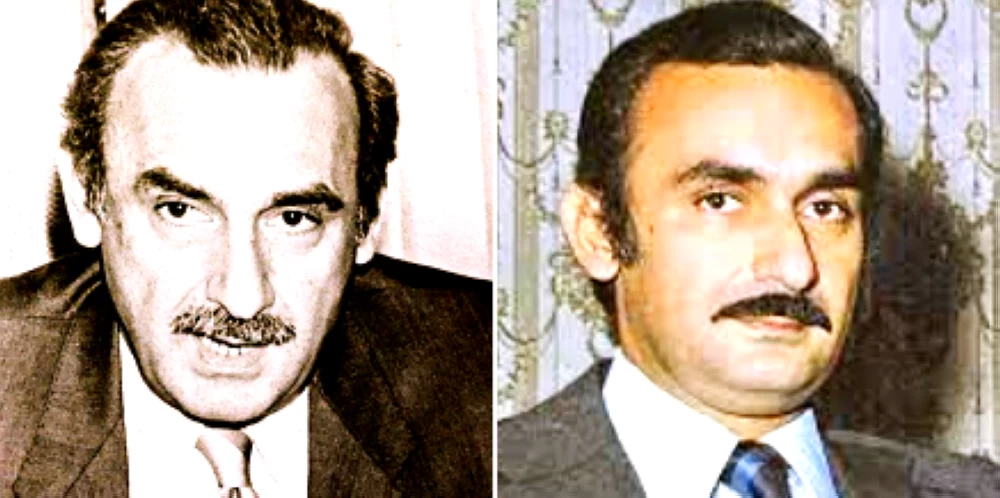
الحديث هنا عن الدكتور نائل أحمد النقيب، الذي لم يكن بروزه وتألقه واكتسابه لشعبية كبيرة بسبب تخصصه وعلمه فقط، وإنما أيضاً لكونه رجلاً استثنائياً، ومبدعاً ومخلصاً في أعماله الطبية والأكاديمية والإدارية، وصاحب رؤية مستنيرة وسديدة وقدرة فائقة على اتخاذ القرار المناسب في الوقت المناسب. إلى ذلك كان من أسباب تألقه، ولعه بتطوير نفسه وشغفه بتنمية قدراته المهنية والإدارية، وحرصه على إعداد كوادر طبية وطنية تخدم الكويت. لقد كان هاجس النقيب الوحيد طوال مسيرته كطبيب، ثم كمسؤول حكومي رفيع، هو رعاية مرضاه والمساهمة في تخفيف معاناتهم، بل كان «أشبه ما يكون بطبيب مقيم، مسؤوليته الأولى رعاية ومتابعة الحالات التي يعالجها من المرضى» طبقاً لما قالته زوجته السيدة سعاد السيد رجب الرفاعي (الوكيل المساعد الأسبق لشؤون التعليم العام بوزارة التربية) في حوارها مع صحيفة «الأنباء» الكويتية (19/10/2008). ومما أخبرتنا عقيلته أيضاً، أن زوجها «لم يسع يوماً للمنفعة المادية، وكان يرفض المتاجرة بعلمه لأنه كان يؤمن أن الطب ليس تجارة، لدرجة أن وزير الصحة الأسبق د. محمد الجارالله قال لي يوماً إن مرضى د. نائل الذين كانوا يأتون إليه للعيادة الخاصة كان يحولهم للقطاع العام حتى يوفر عليهم التكاليف. وكان يتحسس من مجرد سؤال المريض له عن أتعابه ويرد على الفور (لو ما تقدر أحولك للمستشفى الأميري)».
أما ابنته الدكتورة ريهام، رحمها الله، فقد تحدثت عن نائل النقيب الأب، فقالت إنه كان أباً ديمقراطياً بلا حدود، وصاحب قلب كبير يسع الجميع، وزارعاً للقدوة السليمة في نفوس من تعاملوا معه مهنياً. وأضافت قائلة: إنه كان «رجل الأسرة الحنون والعطوف.. تعلمنا من والدي الكثير، وأهم ما تعلمنا منه العطاء دون انتظار المقابل وتحمل المسؤولية والالتزام وقبول الآخر… ويكفيني فخراً أنني في أي مكان أذهب إليه وبمجرد ذكر اسمي يبادر الجميع لتعداد مآثر والدنا، ولذلك مهما حققنا أنا وإخوتي من نجاحات فإننا لن نصل إلى نجاحات والدي ووالدتي. وأهم نجاحاتهما على الإطلاق هي حالة الرضا التي نتمتع بها أنا وإخوتي وهي من سمات الإنسان السوي». وأضافت، في حديثها لصحيفة الأنباء (مصدر سابق)، أن والدها كان مثقفاً، زرع فيها وفي إخوتها حب القراءة والاطلاع، وكان مغرماً بالأفلام السينمائية والرياضة، وحريصاً على أناقته ومرحاً يضفي جواً من البهجة على كل من حوله، وباختصار «كان رجلاً سعيداً متوافقاً مع نفسه راضياً بما حققه ولذلك كان يتمتع بهدوء نفسي كبير».
في أكتوبر سنة 2008، أي بعد أربعة أعوام من رحيل النقيب، أقامت «لجنة حياة لرعاية مرضى السرطان» احتفالية، بحضور رئيس الحكومة الكويتية آنذاك الشيخ ناصر المحمد الأحمد الصباح لتكريم الراحلين الدكتور النقيب وزميله الراحل الدكتور يوسف العمر، باعتبارهما من استشاريي ومؤسسي «مركز السرطان» في الكويت. وفي هذه الاحتفالية، خاطب وزير الصحة السعودي والمدير الإقليمي لمنظمة الصحة العالمية للشرق الأوسط الدكتور حسين عبدالرزاق الجزائري الحضور قائلاً: «إن الأمة فقدت رائدَين من روّاد الطب ساهما في نهضة الكويت الصحية». وأضاف، أن الراحلين كانا من أوائل من أدرك حجم مشكلة مرض السرطان على المستويين العربي والعالمي، وأنهما بنيا جيلاً من الباحثين والعاملين في تخصص حيوي إنساني، واستطاعا من خلاله تحويل مركز الكويت للسرطان إلى مركز إقليمي عالمي. وأوضح، أن هذا التميز الذي حققه هذان الطبيبان ما هو إلا نتيجة للجهد والإخلاص في عملهما الدؤوب وعطائهما اللامحدود للوصول إلى هذه المكانة التي وصلت إليها الكويت. ومن جانبه، قال رئيس جمعية البحرين لمكافحة السرطان الدكتور عبدالرحمن إبراهيم فخرو، إن الراحلين النقيب والعمر، كانت لهما بصمة واضحة بالجهد والإخلاص في العمل على تطوير مراكز السرطان في دول الخليج، وأنهما تميزا في عملهما وساهما في تطوير ورفع مستوى أداء الكوادر الطبية الوطنية والعربية من خلال برامجهما المستمرة والندوات واللقاءات العلمية المحلية والعالمية، مشيداً بدورهما النبيل في إنشاء مركز السلمانية الطبي بمملكة البحرين. وأكد، أن مثل هذه الصفوة من الأطباء المتميزين تعد بحق نبراساً مضيئاً على طريق العمل الطبي وقدوة حسنة لزملائهم في هذه المسيرة الإنسانية لبلوغ غايتنا في التقدم والرقي بخدماتنا الصحية من أجل المريض.
ولد الدكتور نائل أحمد السيد طالب النقيب بمدينة البصرة في عام 1937، ابناً لعائلة النقيب المعروفة في تاريخ الكويت والعراق، وهي من الأسر العلوية الهاشمية العريقة التي تميزت بالنفوذ والثراء في البصرة والعراق. ويعود نسبها إلى جدها النقيب أحمد الرفاعي الكبير من ذرية الحسين بن علي بن أبي طالب. والجدير بالذكر هنا، أن لقب «النقيب» جاء من نقابة السادة الأشراف في العهدين العباسي والعثماني، حيث تولى العديد من رموز الأسرة هذا المنصب ذا المكانة الدينية والروحية. والجدير بالذكر أيضاً، أنه خرج من صلب هذه الأسرة العديد من الأعلام البارزين في التاريخ العربي المعاصر، لعل أبرزهم السيد طالب السيد رجب النقيب (جد المترجم له)، الذي كان مرشحاً لتولي حكم العراق سنة 1920، وبعد أن ذهب عرش العراق إلى الشريف فيصل بن الشريف حسين بن علي، صار وزيراً للداخلية في الحكومة الأولى التي شكلها عبدالرحمن الكيلاني نقيب أشراف بغداد سنة 1921.
وطبقاً لما ورد في كتاب «تاريخ نزوح العائلات الكويتية العريقة إلى الكويت ودورها في بناء الدولة منذ نشأة الكويت وحتى وقتنا الحاضر» لمؤلفته السيدة فوزية صالح الرومي، نزحت أسرة النقيب إلى الكويت من البصرة قبل سنة 1900، وسكن أفرادها منطقة «جبلة» من العاصمة، وتصاهرت مع العديد من الأسر الكويتية مثل الصباح والخرافي والمساعيد والخميس والشايع والغنيم والبابطين والحمد والخطيب والرفاعي والبشر والطبطبائي والمطاوعة والتويجري وغيرها.
برز من أسرة النقيب في الكويت (عدا المترجم له)، العديد من الشخصيات المؤثرة، ومنهم: «السيد خلف السيد عبدالرحمن النقيب» (صاحب المنتدى الأدبي في الحي القبلي قديماً، وصاحب فكرة بناء مدرسة الأحمدية في أواخر عام 1921، وبسبب جهوده ومكانته أطلقت الدولة اسمه على إحدى مدارس البنين بمنطقة الجهراء)، «السيد عبدالرحمن السيد خلف النقيب» (عينه الشيخ أحمد الجابر الصباح عضواً في أول مجلس للأعيان بالكويت سنة 1920، وعضواً في الهيئة الإدارية المشرفة على المدرسة الأحمدية، وعضواً في الهيئة المشرفة على المكتبة العامة)، «السيد هاشم السيد أحمد النقيب» (من الشخصيات الكويتية التي اتصفت بالورع وحب العلم وتقدير العلماء، وقد سكنت حي الشرق من العاصمة حيث توجد نقعة (حوض للسفن) تحمل اسمه)، «السيد حامد السيد رجب النقيب» (مؤسس شركة السيارات الكويتية العراقية في سنة 1926 برأسمال قدره مائة ألف روبية وبموجب امتياز لمدة 50 سنة منحه إياه الشيخ أحمد الجابر الصباح آنذاك من أجل تسهيل نقل الركاب برا بين الكويت والبصرة)، «الدكتور خلدون حسن خالد النقيب» (رائد علم الاجتماع في الكويت. تولى عمادة كلية الآداب بجامعة الكويت، وترأس تحرير مجلة العلوم الاجتماعية باللغة الإنجليزية، ونال عضوية العديد من الهيئات والجمعيات العلمية داخل الكويت وخارجها، وأصدر دراسات وبحوثاً وعدداً من المؤلفات في السوسيولوجيا)، «باسل شمس الدين النقيب» (اقتصادي ومصرفي كويتي بارز. تولى إدارة مركز البحرين الدولي للاستثمار، وحصل على عضوية جمعية المصرفيين العرب في لندن وعضوية جمعية المحللين الماليين في نيويورك، وأصدر العديد من المقالات والبحوث الاقتصادية والمالية المنشورة في الدوريات العالمية).
مسيرة في الطب والإدارة
وبالعودة إلى سيرة المترجم له، نجد أنه أكمل تعليمه الثانوي بمدرسة العشار الثانوية في البصرة، حيث كان والده يعمل مديراً للجمارك، ثم توجه إلى بغداد للالتحاق بكلية الطب هناك، فتخرج من جامعة بغداد في عام 1960، حاملاً درجة البكالوريوس في الطب. ثم أمضى ثلاث سنوات في البصرة يعمل كطبيب مقيم قبل أن ينتقل إلى الكويت للإقامة والعمل والانضمام إلى أهله وأبناء عمومته. واصل النقيب بعد ذلك دراسته وتدريبه لنيل الزمالة، فنالها في عام 1969 من كلية الجراحين الملكية في أدنبرة بأسكتلندا. وحينما عاد إلى الكويت، تم تعيينه طبيباً في وزارة الصحة في عام 1963 في عهد وزيرها عبدالعزيز حمد الصقر، لينتقل للعمل الأكاديمي في كلية العلوم بجامعة الكويت فور بدء الدراسة فيها سنة 1966. غير أنه لم يستمر طويلاً في هذه الكلية، فبعد نحو عام، أي في سنة 1967، تقرر ابتعاثه إلى الخارج للتخصص، فسافر إلى الولايات المتحدة وتخصص هناك في سرطان الرأس والرقبة والجراحة العامة، علاوة على حصوله على دورات ذات علاقة بمرض السرطان في جامعة هارفارد العريقة. ونظراً لشغفه الكبير بالأبحاث والتدريس، تم تعيينه في العام 1976 كأستاذ مشارك في قسم الجراحة بكلية الطب التابعة لجامعة الكويت. وفي العام التالي (1977)، اختير لرئاسة قسم الجراحة في المستشفى الأميري، وفي هذا العام أيضاً كان على موعد لتولي أول مناصبه الإدارية في الدولة، حيث تم تعيينه وكيلاً مساعداً لوزارة الصحة للشؤون الفنية، فجمع بين وظيفتيه كوكيل وطبيب جراح، ليحصل بعد فترة وجيزة على ترقية ويصبح وكيلاً لوزارة الصحة زمن وزيرها الأشهر الدكتور عبدالرحمن عبدالله العوضي.
تأسيس صرح لمكافحة السرطان
من المآثر الكثيرة والبصمات الخالدة التي تركها النقيب خلفه، بعد وفاته وهو نائم في سريره مساء يوم 30 يناير 2004 عن 66 عاماً، أنه وضع الأسس العلمية الأولى لخدمة مرضى السرطان، من خلال إيجاد أول سجل لهؤلاء المرضى في الكويت عام 1974، ثم جاء إسهامه الأكبر في هذا المجال، حينما بذل جهداً خارقاً مع زميله الدكتور يوسف العمر في تأسيس وافتتاح «مركز حسين مكي الجمعة للجراحة التخصصية» (مركز الكويت لمكافحة السرطان لاحقاً)، الذي يعد أحدث مراكز العلاج الإشعاعي أو الكيماوي في المنطقة، بل وأفضلها لجهة احتضانها لجميع التخصصات الدقيقة التي يحتاجها مريض السرطان والطبيب المعالج للسرطان مثل قسم المختبرات الكبيرة التي تضم مختبر الخلايا، وهو أول مختبر خلايا في الشرق الأوسط. وتضم أيضاً قسم الأشعة الفيزيائية الحديثة المجهز بأجهزة نادرة. وفي هذا السياق، قالت السيدة عقيلته ما مفاده، إن فكرة تأسيس هذا المركز الطبي المتميز، (بكلفة 7.5 مليون دينار كويتي من مال النائب ورجل الأعمال حسين مكي حسين الجمعة)، استولت بالكامل على تفكيره، فلم يكن في حياته في تلك الفترة هاجس سوى إنشاء المركز وافتتاحه، ولذلك كان في اجتماعات يومية ومتابعة شخصية لأدق التفاصيل مع فريق العمل، ثم جاء يوم الافتتاح في يوليو 1982، فكان من الأيام المميزة في حياته وكانت سعادته لا توصف.
Oncology can be defined as a specialized medical branch concerned with the prevention, diagnosis, and treatment of malignant tumors through various methods, including chemotherapy, radiotherapy, immunotherapy, and hormonal therapy, with the aim of eliminating and destroying cancerous cells or limiting their spread by stimulating the immune system, while providing comprehensive care and psychological support simultaneously.
In the Gulf region and the Arab countries, there is a group of distinguished doctors in this specialty who have achieved global scientific and research accomplishments, characterized by extensive experience in related protocols and research, or who have made significant contributions to the treatment and saving of many from malignant diseases. Among the most prominent of these are Professor Hamid bin Harmal Al-Shamsi from the United Arab Emirates, Dr. Akram Al-Ibrahim from Jordan, Dr. Ali Abdulrazak from Iraq, Professor Hisham Al-Ghazali, Dr. Nadia Zakhari, and Professor Ali Abdulrazak from Egypt, Dr. Osama Nasif, Dr. Fawzi Bukhari, and Dr. Khawla Al-Kurayy from Saudi Arabia, Dr. Anwar Mohammed Said Al-Musaid and Dr. Farid Fouad Khalifa from Bahrain, and others.
Our discussion in this article will focus on a prominent figure in the field of cancer oncology in Kuwait, one of the distinguished individuals who dedicated his life, time, and effort to providing exceptional medical and care services to his fellow citizens afflicted with cancer, emerging as a national figure of great reputation and respect, occupying a high and radiant position in the hearts of his people and family.
This is about Dr. Naim Ahmed Al-Naqeeb, whose prominence and brilliance and the popularity he gained were not only due to his specialty and knowledge but also because he was an exceptional man, creative and dedicated in his medical, academic, and administrative work, possessing an enlightened and sound vision and an extraordinary ability to make the right decision at the right time. His brilliance was also attributed to his passion for self-development and his enthusiasm for enhancing his professional and administrative capabilities, as well as his commitment to preparing national medical cadres to serve Kuwait. Throughout his career as a doctor and then as a high-ranking government official, Al-Naqeeb’s sole concern was the care of his patients and contributing to alleviating their suffering. He was “more like a resident doctor, whose primary responsibility was to care for and follow up on the cases he treated,” according to what his wife, Mrs. Suad Al-Sayed Rajab Al-Rifai (former assistant undersecretary for general education at the Ministry of Education), said in an interview with the Kuwaiti newspaper “Al-Anbaa” (19/10/2008). Additionally, his wife informed us that her husband “never sought material gain and refused to commercialize his knowledge because he believed that medicine is not a trade, to the extent that the former Minister of Health, Dr. Mohammed Al-Jarallah, once told me that Dr. Naim’s patients who came to him for private consultations were referred to the public sector to spare them the costs. He was sensitive to even being asked about his fees and would immediately respond (If you can’t afford it, I can refer you to the Amiri Hospital).”
As for his daughter, Dr. Riham, may she rest in peace, she spoke about her father Naim Al-Naqeeb, saying that he was a boundless democratic father, a man with a big heart that embraced everyone, and a cultivator of good role models in the souls of those who interacted with him professionally. She added that he was “a caring and compassionate family man… We learned a lot from our father, and the most important thing we learned from him was to give without expecting anything in return, to take responsibility, to be committed, and to accept others… I am proud that wherever I go, as soon as my name is mentioned, everyone starts recounting the virtues of our father. Therefore, no matter what successes my siblings and I achieve, we will never reach the successes of our father and mother. Their most significant success is the state of contentment that my siblings and I enjoy, which is a characteristic of a well-adjusted person.” She added, in her talk to Al-Anbaa newspaper (previous source), that her father was cultured, instilling in her and her siblings a love for reading and knowledge, was fond of cinema and sports, and was keen on his elegance, bringing joy to everyone around him. In short, “he was a happy man, in harmony with himself, content with what he achieved, and thus enjoyed great inner peace.”
In October 2008, four years after Al-Naqeeb’s passing, the “Life Committee for Cancer Patients Care” held a celebration, attended by the then Prime Minister of Kuwait, Sheikh Nasser Al-Mohammed Al-Ahmed Al-Sabah, to honor the late Dr. Al-Naqeeb and his late colleague Dr. Youssef Al-Omr, as they were among the consultants and founders of the “Cancer Center” in Kuwait. During this celebration, the Saudi Minister of Health and the Regional Director of the World Health Organization for the Eastern Mediterranean, Dr. Hussein Abdulrazak Al-Jazairi, addressed the attendees, saying: “The nation has lost two pioneers of medicine who contributed to the health renaissance in Kuwait.” He added that the late doctors were among the first to recognize the magnitude of the cancer problem at both the Arab and global levels, and that they built a generation of researchers and workers in a vital humanitarian specialty, through which they transformed the Kuwait Cancer Center into a regional global center. He clarified that this distinction achieved by these two doctors was merely a result of their effort and dedication in their relentless work and their unlimited giving to reach the status that Kuwait has attained. For his part, Dr. Abdulrahman Ibrahim Fakhro, President of the Bahrain Cancer Society, stated that the late Al-Naqeeb and Al-Omr had a clear impact through their effort and dedication in developing cancer centers in the Gulf countries, and that they excelled in their work and contributed to enhancing the performance of national and Arab medical staff through their ongoing programs and local and international scientific seminars and meetings, praising their noble role in establishing the Salmaniya Medical Center in the Kingdom of Bahrain. He affirmed that such a distinguished elite of doctors is indeed a shining beacon on the path of medical work and a good role model for their colleagues in this humanitarian journey to achieve our goal of advancing and elevating our health services for the sake of the patient.
Dr. Naim Ahmed Al-Sayed Taleb Al-Naqeeb was born in the city of Basra in 1937, the son of the well-known Al-Naqeeb family in the history of Kuwait and Iraq, which is one of the noble Hashemite families distinguished by influence and wealth in Basra and Iraq. Its lineage traces back to its grandfather, the great Al-Naqeeb Ahmed Al-Rifai, a descendant of Hussein bin Ali bin Abi Talib. It is worth mentioning here that the title “Al-Naqeeb” came from the nobility of the Sharif family during the Abbasid and Ottoman eras, where many figures of the family held this position of religious and spiritual significance. It is also noteworthy that many prominent figures in contemporary Arab history emerged from this family, perhaps the most notable being Sayed Taleb Sayed Rajab Al-Naqeeb (the translator’s grandfather), who was a candidate for the rule of Iraq in 1920, and after the throne of Iraq went to Sharif Faisal bin Sharif Hussein bin Ali, he became the Minister of Interior in the first government formed by Abdulrahman Al-Kailani, the Al-Naqeeb of the Sharifs of Baghdad in 1921.
According to what is mentioned in the book “The History of the Migration of the Noble Kuwaiti Families to Kuwait and Their Role in Building the State from the Establishment of Kuwait Until the Present Time” by the author Mrs. Fawzia Saleh Al-Roumi, the Al-Naqeeb family migrated to Kuwait from Basra before 1900, and its members settled in the “Jabriya” area of the capital, intermarrying with many Kuwaiti families such as Al-Sabah, Al-Gharafi, Al-Masa’id, Al-Khamis, Al-Shaya’a, Al-Ghanim, Al-Babtain, Al-Hamad, Al-Khateeb, Al-Rifai, Al-Bashar, Al-Tabtaba’i, Al-Mutawwa’a, and Al-Tuwaijri, among others.
Many influential figures have emerged from the Al-Naqeeb family in Kuwait (besides the translator), including: “Sayed Khalaf Sayed Abdulrahman Al-Naqeeb” (owner of the literary forum in the old Qabali neighborhood and the idea behind building the Ahmadiah School in late 1921, and due to his efforts and status, the state named one of the boys’ schools in the Jahra area after him), “Sayed Abdulrahman Sayed Khalaf Al-Naqeeb” (appointed by Sheikh Ahmad Al-Jaber Al-Sabah as a member of the first Council of Notables in Kuwait in 1920, and a member of the administrative body supervising the Ahmadiah School, and a member of the body supervising the public library), “Sayed Hashim Sayed Ahmed Al-Naqeeb” (one of the Kuwaiti figures characterized by piety, love of knowledge, and appreciation of scholars, who lived in the Al-Sharq neighborhood of the capital where there is a dock named after him), “Sayed Hamid Sayed Rajab Al-Naqeeb” (founder of the Kuwaiti-Iraqi Automobile Company in 1926 with a capital of one hundred thousand rupees and under a 50-year concession granted to him by Sheikh Ahmad Al-Jaber Al-Sabah at that time to facilitate land transportation between Kuwait and Basra), “Dr. Khaldoun Hassan Khalid Al-Naqeeb” (a pioneer of sociology in Kuwait. He served as the Dean of the Faculty of Arts at Kuwait University, edited the Journal of Social Sciences in English, and was a member of many scientific bodies and associations inside and outside Kuwait, publishing studies, research, and several works in sociology), and “Basil Shams Al-Din Al-Naqeeb” (a prominent Kuwaiti economist and banker. He managed the Bahrain International Investment Center, obtained membership in the Arab Bankers Association in London and the Association of Financial Analysts in New York, and published numerous economic and financial articles and research in global journals).
A Journey in Medicine and Administration
Returning to the biography of the translator, we find that he completed his secondary education at Al-Ashar Secondary School in Basra, where his father worked as the director of customs, then he moved to Baghdad to enroll in medical school there, graduating from the University of Baghdad in 1960 with a Bachelor’s degree in medicine. He then spent three years in Basra working as a resident doctor before moving to Kuwait to live and work and join his family and cousins. Al-Naqeeb then continued his studies and training to obtain his fellowship, which he earned in 1969 from the Royal College of Surgeons in Edinburgh, Scotland. Upon his return to Kuwait, he was appointed as a doctor in the Ministry of Health in 1963 during the tenure of Minister Abdulaziz Hamad Al-Saqr, and he transitioned to academic work at the Faculty of Science at Kuwait University as soon as it began its studies in 1966. However, he did not stay long in this college; after about a year, in 1967, it was decided to send him abroad for specialization, so he traveled to the United States and specialized in head and neck cancer and general surgery, in addition to attending relevant courses on cancer at the prestigious Harvard University. Due to his great passion for research and teaching, he was appointed in 1976 as an associate professor in the Department of Surgery at the Faculty of Medicine at Kuwait University. The following year (1977), he was chosen to head the Department of Surgery at the Amiri Hospital, and that same year, he was set to take on his first administrative positions in the state, as he was appointed as an assistant undersecretary for technical affairs at the Ministry of Health, combining his roles as an undersecretary and a surgeon, and shortly thereafter received a promotion to become the undersecretary of the Ministry of Health during the tenure of its most famous minister, Dr. Abdulrahman Abdullah Al-Awadhi.
Establishing a Stronghold Against Cancer
Among the many achievements and lasting legacies that Al-Naqeeb left behind after his passing while sleeping in his bed on the evening of January 30, 2004, at the age of 66, is that he laid the scientific foundations for serving cancer patients by creating the first registry for these patients in Kuwait in 1974. His most significant contribution in this field came when he exerted extraordinary effort with his colleague Dr. Youssef Al-Omr in establishing and inaugurating the “Hussein Maki Al-Jum’ah Center for Specialized Surgery” (later known as the Kuwait Cancer Center), which is considered the most modern center for radiotherapy or chemotherapy in the region, and indeed the best in terms of encompassing all the specialized disciplines needed by cancer patients and their treating physicians, such as the large laboratories section that includes the cell laboratory, the first cell laboratory in the Middle East. It also includes a modern physical radiology department equipped with rare devices. In this context, his wife mentioned that the idea of establishing this distinguished medical center (with a cost of 7.5 million Kuwaiti dinars funded by the deputy and businessman Hussein Maki Hussein Al-Jum’ah) completely consumed his thoughts; during that period, he had no other concern than to establish and open the center, which is why he was in daily meetings and personally following up on the minutest details with the team. Then came the opening day in July 1982, which was one of the remarkable days in his life, and his happiness was indescribable.