




 حالة الطقس
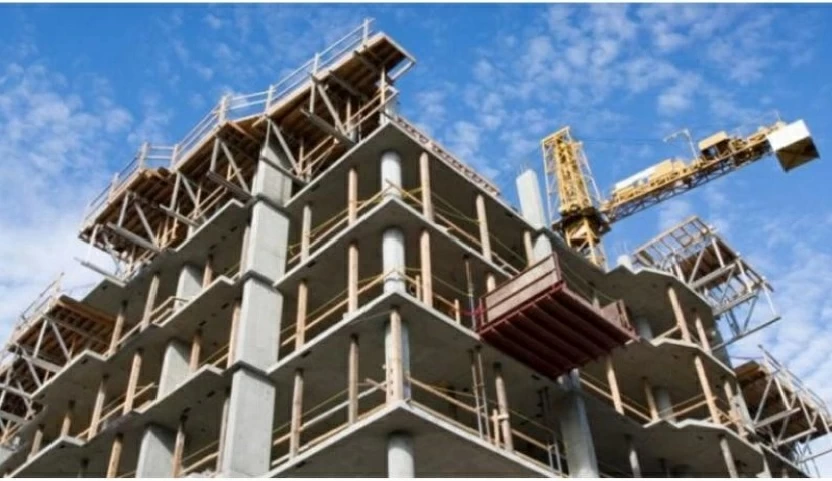
أظهرت بيانات الهيئة العامة للإحصاء، ارتفاع عدد رخص البناء الصادرة في السعودية إلى 5,045 رخصة في شهر يونيو 2026، مقابل 4,192 رخصة في يونيو 2025، مسجلاً ارتفاعاً سنوياً بنسبة 20.3%.
وعلى أساس شهري، سجل عدد الرخص انخفاضاً طفيفاً بنسبة 0.2% مقارنة بشهر مايو 2026 الذي بلغت فيه الرخص 5056 رخصة.
تكاليف البناء
وكانت بيانات الإحصاء قد كشفت أمس، ارتفاع الرقم القياسي لتكاليف البناء خلال شهر يوليو 2026 بنسبة 2.3% مقارنة بالشهر المماثل من العام السابق يوليو 2025.
ويُعزى هذا الارتفاع بشكل رئيسي إلى زيادة تكاليف البناء للقطاع السكني بنسبة 2.2% وزيادة تكاليف البناء للقطاع غير السكني بنسبة 2.6%.
القطاع السكني
ووفقاً لبيانات الهيئة، شهد الرقم القياسي للقطاع السكني ارتفاعاً على أساس سنوي بنسبة 2.2% نتيجة لارتفاع تكاليف استئجار المعدات والآلات بنسبة 4.2% مدفوعة بارتفاع تكاليف استئجار المعدات والآلات مع مشغل بنسبة 5.7%، وكذلك ارتفاع تكاليف العمالة بنسبة 1.4% وارتفاع أسعار الطاقة بنسبة 3.0%. وشهدت تكاليف المواد الأساسية ارتفاعاً بنسبة 1.8% بسبب ارتفاع أسعار الأخشاب والنجارة بنسبة 3.9%، وأسعار مواد البناء الأخرى بنسبة 2.8%.
شهر يونيو
وكان الرقم القياسي لتكاليف البناء في السعودية قد ارتفع بنسبة 2.7% خلال شهر يونيو 2026 مقارنة بنفس الفترة من عام 2025.
ووصل الرقم القياسي لتكاليف البناء إلى 104.0 نقطة في يونيو الماضي وفقاً لسنة الأساس 2023، مقارنة بـ 101.2 نقطة في يونيو 2025. وذكرت الهيئة أن الارتفاع يعود بشكل رئيسي إلى زيادة تكاليف البناء للقطاع السكني بنسبة 2.6%، وتكاليف البناء للقطاع غير السكني بنسبة 3.1%.
الارتفاع السنوي
ارتفع الرقم القياسي لتكاليف البناء في يونيو 2026 على أساس سنوي، مدفوعاً بزيادة في تكاليف استئجار المعدات والآلات بنسبة 5%، وتكاليف الطاقة بنسبة 3%، إضافة إلى ارتفاع تكاليف العمالة بنسبة 2.6%.
وأظهرت بيانات تكاليف البناء حسب القطاعات لشهر يونيو 2026 استمرار الارتفاع في كلا القطاعين، حيث سجل القطاع السكني – الذي يشكل الثقل الأكبر بوزن 77.5% – نمواً بنسبة 2.6% مقارنة بيونيو 2025. جاء هذا الارتفاع مدفوعاً بزيادة في تكاليف استئجار المعدات والآلات بنسبة 4.5%، وتكاليف الطاقة بنسبة 3%، والعمالة بنسبة 2.5%، والمواد الأساسية بنحو 1.8%.
The General Authority for Statistics data showed an increase in the number of building permits issued in Saudi Arabia to 5,045 permits in June 2026, compared to 4,192 permits in June 2025, marking an annual increase of 20.3%.
On a monthly basis, the number of permits recorded a slight decrease of 0.2% compared to May 2026, when permits reached 5,056.
Construction Costs
Yesterday, the statistics data revealed an increase in the construction cost index during July 2026 by 2.3% compared to the same month of the previous year, July 2025.
This increase is mainly attributed to a rise in construction costs for the residential sector by 2.2% and an increase in construction costs for the non-residential sector by 2.6%.
Residential Sector
According to the Authority’s data, the index for the residential sector witnessed an annual increase of 2.2% due to a rise in equipment and machinery rental costs by 4.2%, driven by an increase in equipment and machinery rental costs with an operator by 5.7%, as well as a rise in labor costs by 1.4% and an increase in energy prices by 3.0%. The costs of basic materials saw an increase of 1.8% due to rising prices of wood and carpentry by 3.9%, and other construction materials by 2.8%.
June
The construction cost index in Saudi Arabia increased by 2.7% during June 2026 compared to the same period in 2025.
The construction cost index reached 104.0 points in June last year according to the base year 2023, compared to 101.2 points in June 2025. The Authority mentioned that the increase is mainly due to rising construction costs for the residential sector by 2.6%, and construction costs for the non-residential sector by 3.1%.
Annual Increase
The construction cost index in June 2026 increased on an annual basis, driven by a rise in equipment and machinery rental costs by 5%, energy costs by 3%, in addition to an increase in labor costs by 2.6%.
Data on construction costs by sectors for June 2026 showed continued increases in both sectors, with the residential sector – which carries the largest weight at 77.5% – recording a growth of 2.6% compared to June 2025. This increase was driven by a rise in equipment and machinery rental costs by 4.5%, energy costs by 3%, labor by 2.5%, and basic materials by about 1.8%.