



 حالة الطقس
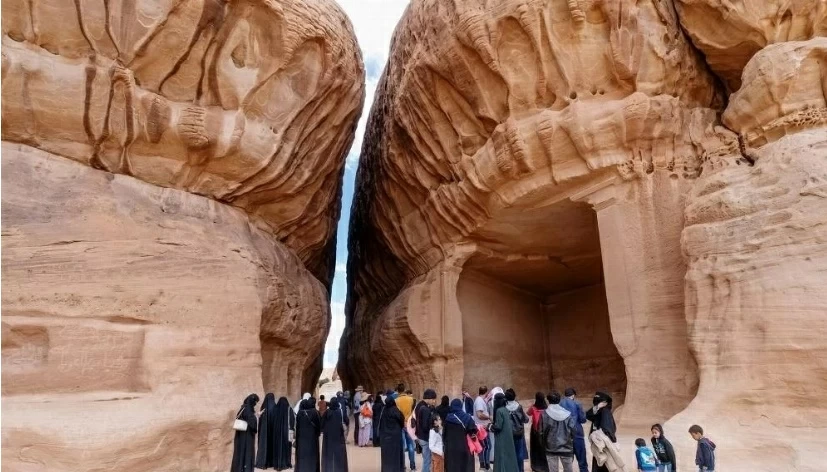
تصدرت السعودية رهان الشرق الأوسط على استعادة زخم قطاع السفر والسياحة بعد اضطرابات جيوسياسية تضغط على حركة الطيران في المنطقة خلال 2026، وذلك بحسب ما كشفه تقرير المجلس العالمي للسفر والسياحة (WTTC)، اليوم.
محركات مرنة
وفي التقرير الصادر -ووفقاً لما نشره موقع «الشرق بلومبيرغ»- فإنه رغم الضغوط الراهنة، تبدو السعودية في موقع مختلف عند النظر إلى الأفق الأطول، إذ يضع المجلس المملكة، إلى جانب الإمارات وعُمان وقطر، ضمن أبرز محركات مرونة السياحة ونموها في المنطقة.
وتشكل السياحة والسفر والقطاعات المرتبطة بها نحو 14.1% من الناتج المحلي الإجمالي للسعودية، فيما يتوقع المجلس أن يرتفع إنفاق الزوار الدوليين في المملكة إلى أكثر من مثليه خلال العقد القادم، بما يعزز دور القطاع في إستراتيجية تنويع مصادر الدخل بعيداً عن النفط.
وتكتسب هذه التوقعات أهمية إضافية في ضوء حجم الاقتصاد السياحي الذي بنته المملكة خلال السنوات الماضية.
نماذج واضحة
وتوضح بيانات المجلس أن تقاريره الخاصة بالسعودية باتت ترصد بصورة منفصلة مساهمة القطاع في الناتج المحلي والتوظيف والإنفاق المحلي والدولي والاستثمارات، إلى جانب توقعات تمتد حتى 2036.
وقالت الرئيسة المديرة التنفيذية للمجلس العالمي للسفر والسياحة غلوريا غيفارا، في التقرير: «إن الشرق الأوسط يمر بفترة صعبة، وإن السفر والسياحة عادة ما يكونان من أوائل القطاعات تأثراً بالاضطرابات الجيوسياسية، لكنها شددت على أن التجارب السابقة أظهرت قدرة كبيرة للقطاع على التعافي، وأن المنطقة قدمت نماذج واضحة على هذه المرونة».
وترى غيفارا أن الاستثمارات طويلة الأجل التي نفذتها حكومات المنطقة في السياحة والربط والبنية التحتية وتنويع الاقتصاد لا تزال قائمة، ما يدعم فرص العودة إلى النمو بعد انحسار الاضطرابات الحالية.
Saudi Arabia Leads the Middle East’s Bet on Reviving Travel and Tourism Sector After Geopolitical Disruptions Pressuring Air Traffic in the Region in 2026, According to the World Travel and Tourism Council (WTTC) Report Released Today.
Flexible Engines
According to the report published – as noted by the “Asharq Bloomberg” website – despite the current pressures, Saudi Arabia appears to be in a different position when looking at the longer horizon, as the council places the Kingdom, alongside the UAE, Oman, and Qatar, among the top engines of tourism resilience and growth in the region.
Tourism, travel, and related sectors account for about 14.1% of Saudi Arabia’s GDP, while the council expects international visitor spending in the Kingdom to more than double over the next decade, enhancing the sector’s role in the strategy to diversify income sources away from oil.
These expectations gain additional importance in light of the size of the tourism economy that the Kingdom has built over the past years.
Clear Models
The council’s data indicates that its reports on Saudi Arabia now separately track the sector’s contribution to GDP, employment, local and international spending, and investments, along with forecasts extending to 2036.
The Executive Director of the World Travel and Tourism Council, Gloria Guevara, stated in the report: “The Middle East is going through a tough period, and travel and tourism are usually among the first sectors to be affected by geopolitical disruptions, but she emphasized that past experiences have shown the sector’s great ability to recover, and the region has provided clear models of this resilience.”
Guevara believes that the long-term investments made by the region’s governments in tourism, connectivity, infrastructure, and economic diversification are still in place, supporting the opportunities for a return to growth after the current disruptions subside.