



 حالة الطقس
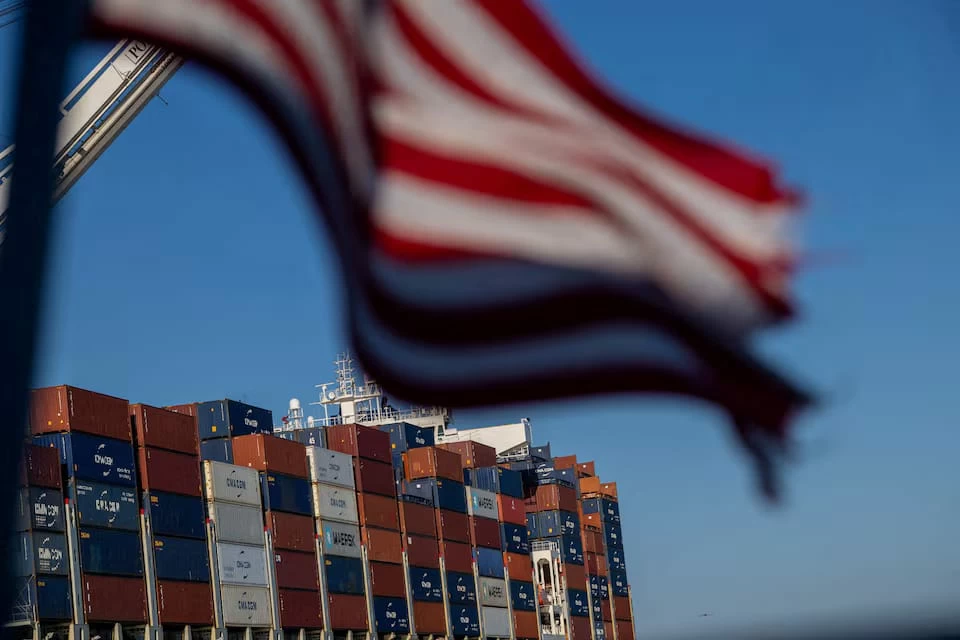
في خطوة جديدة تعيد التوتر إلى العلاقات التجارية العالمية، فرضت إدارة الرئيس الأمريكي دونالد ترمب رسوماً جمركية جديدة على واردات قادمة من 60 شريكاً تجارياً، من بينهم الاتحاد الأوروبي والصين واليابان وكوريا الجنوبية، مبررة القرار بما وصفته بـ«ضعف تطبيق قوانين مكافحة العمل القسري» في تلك الدول.
وبحسب وكالة رويترز، يأتي القرار، الذي دخل حيز التنفيذ فجر اليوم (الجمعة)، بالتزامن مع انتهاء العمل بالتعريفة الجمركية العالمية المؤقتة البالغة 10%، في محاولة جديدة من البيت الأبيض لإحياء سياسة الرسوم الجمركية الواسعة التي تبناها ترمب، بعدما أبطلت المحكمة العليا الأمريكية في فبراير الماضي جزءاً من الرسوم التي فرضها سابقاً بموجب قانون الطوارئ الوطنية.
رسوم تراوح بين 10% و12.5%
وبحسب إشعار نُشر في السجل الفيدرالي، فرضت الولايات المتحدة رسوماً جمركية جديدة بنسبتي 10% و12.5% على واردات تغطي نحو 99.4% من إجمالي الواردات الأمريكية، مع استثناء عدد كبير من السلع الأساسية، بينها النفط والغاز والأسمدة وبعض المنتجات الغذائية، إضافة إلى الطائرات وقطع غيارها والمعادن الحيوية.
كما استُثنيت المنتجات الخاضعة مسبقاً لرسوم الأمن القومي وفق المادة 232، مثل السيارات والصلب والألمنيوم والنحاس.
البيت الأبيض: حان الوقت ليلتزم شركاؤنا
وقال الممثل التجاري الأمريكي جيميسون جرير إن الولايات المتحدة تطبق حظراً على استيراد المنتجات المصنعة باستخدام العمل القسري منذ ما يقرب من قرن، مضيفاً أن الوقت قد حان لأن يطبق الشركاء التجاريون المعايير نفسها.
وأوضح أن الرسوم الجديدة تهدف إلى معالجة ما وصفه بـ«انتهاكات حقوق الإنسان والممارسات التجارية المشوهة للمنافسة»، مؤكداً أن الخطوة ستسهم في تحسين أوضاع العمال حول العالم.
استناداً إلى قانون التجارة لعام 1974
واستندت الإدارة الأمريكية في فرض الرسوم إلى المادة 301 من قانون التجارة لعام 1974، وهو ما يمنحها أساساً قانونياً أكثر قوة مقارنة بالرسوم السابقة التي ألغتها المحكمة العليا.
ويرى خبراء أن هذا المسار يقلل من احتمالات إسقاط القرار أمام القضاء، بعدما صمدت المادة 301 أمام طعون قانونية في قضايا سابقة.
التنفيذ بدأ فور انتهاء الرسوم المؤقتة
انتهت التعريفة الجمركية العالمية المؤقتة البالغة 10% في تمام الساعة 12:01 صباح الجمعة بتوقيت الساحل الشرقي للولايات المتحدة، لتدخل الرسوم الجديدة حيز التنفيذ في اللحظة نفسها.
واستثنت الإدارة الأمريكية البضائع التي كانت في طريقها إلى الولايات المتحدة قبل بدء التطبيق، على أن يستمر هذا الاستثناء حتى 28 يوليو الجاري.
الدول المشمولة
وفرضت واشنطن رسوماً بنسبة 10% على واردات قادمة من عدد من الدول، بينها: الأرجنتين، بنغلاديش، المملكة المتحدة، كمبوديا، كندا، الإكوادور، السلفادور، غواتيمالا، هندوراس، الهند، إندونيسيا، الأردن، ماليزيا، المكسيك، باكستان، سريلانكا، ترينيداد وتوباغو.
أما الاتحاد الأوروبي وتايوان واليابان وكوريا الجنوبية وسويسرا، فقد خضعت لرسوم تجعل إجمالي التعريفات المفروضة عليها، بعد إضافة الرسوم السابقة، يصل إلى 10% أو 12.5%.
في المقابل، فُرضت نسبة 12.5% على 38 دولة أخرى، من بينها الصين وفيتنام.
الصين وفيتنام ضمن المستهدفين
تأتي الخطوة في وقت تتهم فيه الولايات المتحدة الصين باستخدام الأقليات، وعلى رأسها الإيغور، في أعمال قسرية داخل معسكرات عمل، وهي اتهامات تنفيها بكين باستمرار.
كما شملت الرسوم فيتنام، رغم إصدارها هذا الأسبوع تشريعاً جديداً يشدد الرقابة على السلع المصنعة باستخدام العمل القسري.
وفي الوقت نفسه، أكد مسؤولون أمريكيون لنظرائهم الصينيين أن إدارة ترمب تعتزم إعادة الرسوم المفروضة على السلع الصينية إلى 20%، وهو المستوى الذي تم الاتفاق عليه خلال الهدنة التجارية بين ترمب والرئيس الصيني شي جين بينغ في نوفمبر 2025، دون تجاوزه.
وكانت الرسوم على الواردات الصينية قد تراجعت أخيراً إلى 10%، باستثناء رسوم سابقة تبلغ 25% على منتجات صناعية فرضت خلال الولاية الأولى لترمب.
اعتراضات دولية واسعة
وأثار القرار موجة من الانتقادات من عدد من الشركاء التجاريين للولايات المتحدة.
ووصف كل من أستراليا والبرازيل الرسوم الجديدة بأنها غير مبررة، مؤكدتين أنهما ستسعيان إلى إلغائها، فيما اعتبرت النرويج أنه «لا يوجد أي أساس» لفرضها.
أما كندا، التي فرضت عليها واشنطن مطلع الأسبوع رسوماً إضافية على واردات بقيمة 20 مليار دولار، فأكدت أنها ستواصل الحوار مع الولايات المتحدة للوصول إلى حلول تخدم مصالح البلدين.
أوروبا وبريطانيا: تأثير محدود
من جهته، رحب الاتحاد الأوروبي بالتزام واشنطن بسقف الرسوم الذي جرى الاتفاق عليه بين الجانبين، مؤكداً أن القرار يتماشى مع البيان المشترك بين الطرفين، ويفتح الباب أمام مناقشة مزيد من الإعفاءات وتعزيز التعاون التجاري.
كما أعلنت الحكومة السويسرية أن الولايات المتحدة التزمت بالسقف المتفق عليه سابقاً للرسوم الجمركية.
وفي بريطانيا، أكدت الحكومة أن القرار لن يؤثر سلباً على الشركات البريطانية، مشيرة إلى استمرار الاتفاق التجاري مع الولايات المتحدة، وإلى تحقيق مكاسب جديدة تشمل إعفاء صادرات الويسكي وتقنيات الأجهزة الطبية من الرسوم.
إعفاءات واسعة ومستفيدون
ورغم اتساع نطاق الرسوم، فقد تضمن القرار قائمة طويلة من الإعفاءات شملت الطاقة والأسمدة والأغذية وبعض الصناعات الإستراتيجية.
ومن أبرز المستفيدين قطاع الألماس البلجيكي، بعدما استعادت صادرات الألماس المصقول إعفاءها من الرسوم الأمريكية، وهو ما اعتبره مركز أنتويرب العالمي للألماس تطوراً مهماً، خاصة أن بلجيكا صدّرت إلى الولايات المتحدة ألماساً مصقولاً بقيمة 2.1 مليار دولار خلال عام 2024.
In a new step that reintroduces tension into global trade relations, the administration of U.S. President Donald Trump has imposed new tariffs on imports from 60 trading partners, including the European Union, China, Japan, and South Korea, justifying the decision by citing what it described as “weak enforcement of anti-forced labor laws” in those countries.
According to Reuters, the decision, which took effect early today (Friday), coincides with the expiration of the temporary global tariff of 10%, in a new attempt by the White House to revive the broad tariff policy adopted by Trump, after the U.S. Supreme Court overturned part of the tariffs he previously imposed under the National Emergency Act last February.
Tariffs ranging from 10% to 12.5%
According to a notice published in the Federal Register, the United States has imposed new tariffs of 10% and 12.5% on imports covering approximately 99.4% of total U.S. imports, while exempting a large number of essential goods, including oil, gas, fertilizers, and some food products, in addition to aircraft and their parts and critical metals.
Products already subject to national security tariffs under Section 232, such as cars, steel, aluminum, and copper, were also exempted.
The White House: It’s time for our partners to comply
U.S. Trade Representative Jamison Greer stated that the United States has been enforcing a ban on importing products made using forced labor for nearly a century, adding that it is time for trading partners to apply the same standards.
He explained that the new tariffs aim to address what he described as “human rights violations and distorted competitive trading practices,” emphasizing that the step will contribute to improving workers’ conditions around the world.
Based on the Trade Act of 1974
The U.S. administration based the imposition of tariffs on Section 301 of the Trade Act of 1974, which provides a stronger legal basis compared to the previous tariffs that were overturned by the Supreme Court.
Experts believe that this path reduces the likelihood of the decision being overturned in court, as Section 301 has withstood legal challenges in previous cases.
Implementation began immediately after the expiration of the temporary tariffs
The temporary global tariff of 10% ended at 12:01 AM on Friday Eastern Time, with the new tariffs taking effect at the same moment.
The U.S. administration exempted goods that were en route to the United States before the implementation began, and this exemption will continue until July 28.
Countries included
Washington imposed a 10% tariff on imports from several countries, including Argentina, Bangladesh, the United Kingdom, Cambodia, Canada, Ecuador, El Salvador, Guatemala, Honduras, India, Indonesia, Jordan, Malaysia, Mexico, Pakistan, Sri Lanka, and Trinidad and Tobago.
The European Union, Taiwan, Japan, South Korea, and Switzerland were subjected to tariffs that make the total tariffs imposed on them reach 10% or 12.5% after adding the previous tariffs.
In contrast, a 12.5% tariff was imposed on 38 other countries, including China and Vietnam.
China and Vietnam among the targets
This step comes at a time when the United States accuses China of using minorities, primarily the Uyghurs, in forced labor within work camps, accusations that Beijing continuously denies.
The tariffs also included Vietnam, despite the country issuing new legislation this week that tightens oversight on goods manufactured using forced labor.
At the same time, U.S. officials have confirmed to their Chinese counterparts that the Trump administration intends to raise tariffs on Chinese goods back to 20%, the level agreed upon during the trade truce between Trump and Chinese President Xi Jinping in November 2025, without exceeding it.
Tariffs on Chinese imports had recently dropped to 10%, excluding previous tariffs of 25% on industrial products imposed during Trump’s first term.
Widespread international objections
The decision has sparked a wave of criticism from several of the United States’ trading partners.
Both Australia and Brazil described the new tariffs as unjustified, stating they would seek to have them abolished, while Norway considered that “there is no basis” for imposing them.
Canada, which was recently subjected to additional tariffs on $20 billion worth of imports by Washington, confirmed it would continue dialogue with the United States to reach solutions that serve the interests of both countries.
Europe and Britain: Limited impact
For its part, the European Union welcomed Washington’s commitment to the agreed tariff ceiling between the two sides, affirming that the decision aligns with the joint statement between the parties and opens the door for further discussions on exemptions and enhancing trade cooperation.
The Swiss government also announced that the United States has committed to the previously agreed tariff ceiling.
In Britain, the government confirmed that the decision would not negatively impact British companies, noting the continuation of the trade agreement with the United States and the achievement of new gains including exemptions for whiskey exports and medical device technologies from tariffs.
Wide exemptions and beneficiaries
Despite the broad scope of the tariffs, the decision included a long list of exemptions covering energy, fertilizers, food, and some strategic industries.
Among the main beneficiaries is the Belgian diamond sector, as polished diamond exports regained their exemption from U.S. tariffs, which the Antwerp World Diamond Centre considered an important development, especially since Belgium exported polished diamonds worth $2.1 billion to the United States in 2024.