



 حالة الطقس
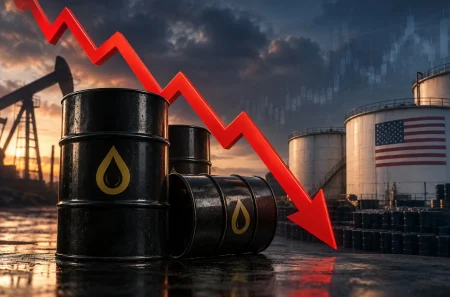
زادت تكلفة اقتراض حكومات الشرق الأوسط إلى أعلى مستوياتها منذ أكتوبر 2022، مع مطالبة المستثمرين بعلاوات مخاطر أكبر في ظل تجدد المواجهات بين الولايات المتحدة وإيران وتصاعد التوترات الجيوسياسية في المنطقة.
أسرع زيادة
وأظهرت مؤشرات بنك «جي بي مورغان» أن متوسط علاوة المخاطر السيادية لدول المنطقة ارتفع بنحو 20 نقطة أساس خلال الأسبوع الماضي ليصل إلى 402 نقطة أساس فوق عوائد سندات الخزانة الأمريكية، وهو أعلى مستوى في نحو 4 سنوات، ما ساهم في تسجيل أسرع زيادة منذ بداية العام منذ 2018.
واستندت جاذبية الاستثمار في الشرق الأوسط قبل اندلاع الحرب إلى عوامل اقتصادية مثل طفرة العقارات في دبي وخطط التنمية الطموحة ضمن رؤية السعودية 2030، لكن قرارات المستثمرين باتت ترتبط بشكل متزايد بالمخاطر الجيوسياسية، وفقاً لما ذكرته «بلومبيرغ»، واطلعت عليه «العربية Business».
أسوأ أداء
وخفض المستثمرون علاوات المخاطر بأكثر من نصف نقطة مئوية خلال الأسبوعين اللذين أعقبا الاتفاق الأولي لوقف إطلاق النار في أبريل الماضي، قبل أن تعود للارتفاع مع تشدد مواقف واشنطن وطهران وتنافسهما على فرض السيطرة على مضيق هرمز.
وسجلت سندات الشرق الأوسط المقومة بالدولار أسوأ أداء بين أسواق الدين في الاقتصادات الناشئة منذ بداية الحرب، إذ اضطرت حكومات المنطقة إلى تقديم عائد إضافي يبلغ 163 نقطة أساس لجذب المستثمرين مقارنة بسندات الدول النامية الأخرى.
The cost of borrowing for Middle Eastern governments has risen to its highest levels since October 2022, with investors demanding higher risk premiums amid renewed confrontations between the United States and Iran and escalating geopolitical tensions in the region.
Fastest Increase
Indicators from JPMorgan showed that the average sovereign risk premium for countries in the region rose by about 20 basis points last week, reaching 402 basis points above U.S. Treasury yields, the highest level in nearly four years, contributing to the fastest increase since the beginning of the year since 2018.
The attractiveness of investing in the Middle East before the outbreak of war was based on economic factors such as the real estate boom in Dubai and ambitious development plans under Saudi Vision 2030. However, investors’ decisions have increasingly been linked to geopolitical risks, according to Bloomberg, which was reviewed by Al Arabiya Business.
Worst Performance
Investors reduced risk premiums by more than half a percentage point during the two weeks following the initial ceasefire agreement in April, before they began to rise again as Washington and Tehran took tougher stances and competed for control over the Strait of Hormuz.
Dollar-denominated bonds in the Middle East recorded the worst performance among debt markets in emerging economies since the beginning of the war, as governments in the region were forced to offer an additional yield of 163 basis points to attract investors compared to bonds from other developing countries.