




 حالة الطقس
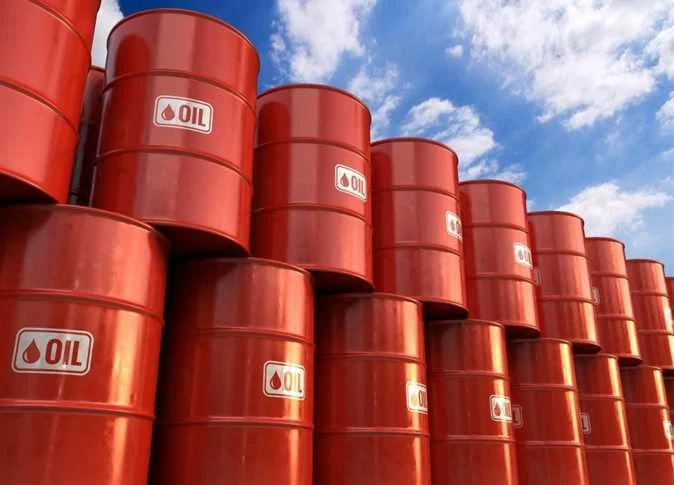
توقعت وكالة الطاقة الدولية تراجع الطلب العالمي على النفط خلال العام الحالي لأول مرة منذ عام 2020، وعزت ذلك إلى التداعيات الحادة للحرب الإيرانية التي تسببت في أضرار بالغة لعمليات الإنتاج والتصدير في منطقة الشرق الأوسط.
وأوضحت الوكالة في تقريرها الشهري اليوم (الجمعة)، أن الطلب العالمي يتجه للانكماش بمقدار مليون برميل يومياً على أساس سنوي خلال عام 2026، وهو ما يمثل أول انخفاض سنوي يسجله الطلب منذ جائحة «كورونا» قبل 6 سنوات، بحسب «CNBC».
كما حذرت من أن التصعيد العسكري الأخير بين الولايات المتحدة وإيران قد يطيح بتوقعاتها السابقة التي تشير إلى حدوث فائض كبير في المعروض بأسواق النفط العالمية العام القادم.
وأظهر التقرير الشهري تحسناً طفيفاً في الفجوة بين العرض والطلب؛ حيث يُتوقع أن يقل إجمالي المعروض النفطي العالمي عن حجم الطلب بمقدار 860 ألف برميل يومياً خلال عام 2026، وذلك مقارنة بالعجز الذي توقعته الوكالة في تقريرها السابق البالغ 920 ألف برميل يومياً.
وأوضحت وكالة الطاقة الدولية أن إمدادات النفط العالمية ارتفعت بمقدار 4.1 مليون برميل يومياً في يونيو الماضي، لكنها لا تزال أقل بنحو 9.4 مليون برميل يومياً مقارنة بمستويات ما قبل الحرب.
وتتوقع الوكالة نمو المعروض بنحو 7.5 مليون برميل يومياً في عام 2027، شريطة التحسن المستمر في حركة الملاحة عبر مضيق هرمز، على أن ينمو الطلب حال حدوث ذلك بمقدار مليوني برميل يومياً العام القادم.
The International Energy Agency has predicted a decline in global oil demand this year for the first time since 2020, attributing this to the severe repercussions of the Iranian war, which has caused significant damage to production and export operations in the Middle East.
The agency clarified in its monthly report today (Friday) that global demand is expected to contract by one million barrels per day on an annual basis during 2026, marking the first annual decline in demand since the COVID-19 pandemic six years ago, according to “CNBC.”
It also warned that the recent military escalation between the United States and Iran could undermine its previous forecasts, which indicated a significant surplus in global oil supply next year.
The monthly report showed a slight improvement in the gap between supply and demand; total global oil supply is expected to fall short of demand by 860,000 barrels per day in 2026, compared to the shortfall of 920,000 barrels per day that the agency predicted in its previous report.
The International Energy Agency stated that global oil supplies rose by 4.1 million barrels per day last June, but they remain about 9.4 million barrels per day lower than pre-war levels.
The agency expects supply to grow by about 7.5 million barrels per day in 2027, provided that there is a continuous improvement in navigation through the Strait of Hormuz, with demand expected to increase by two million barrels per day next year if this occurs.