



 حالة الطقس
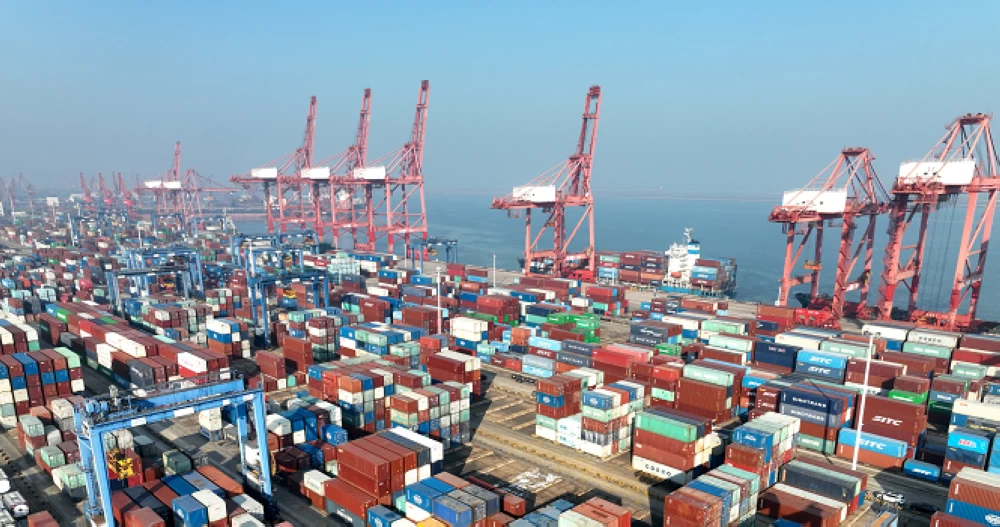
تسارعت وتيرة نمو الصادرات الصينية في شهر أبريل، إذ سارعت المصانع لمجاراة موجة طلبيات من القطاعات المرتبطة بالذكاء الاصطناعي ومشترين آخرين يسعون إلى تخزين المكونات وسط مخاوف من أن تدفع الحرب على إيران تكاليف المدخلات العالمية إلى المزيد من الارتفاع.
وستكون هذه القراءة القوية للصادرات، التي رفعت الفائض التجاري للصين مع الولايات المتحدة إلى 87.7 مليار دولار منذ بداية العام، محط اهتمام هذا الأسبوع مع زيارة الرئيس الأمريكي دونالد ترمب لبكين لعقد قمة مع نظيره الصيني شي جين بينغ من المتوقع فيها تمديد الهدنة التجارية التي تم التوصل إليها العام الماضي.
وأظهرت بيانات الجمارك، اليوم السبت، نمو الصادرات 14.1% عنها قبل عام من حيث القيمة بالدولار، وهو ما يتجاوز الزيادة البالغة 2.5% في شهر مارس والارتفاع 7.9% الذي توقعه اقتصاديون.
وتشير بيانات منفصلة عن نشاط المصانع في شهر أبريل صدرت الشهر الماضي إلى ارتفاع الطلبات الجديدة على الصادرات إلى أعلى مستوى لها في عامين.
وسجلت الواردات قراءة شهرية قوية أخرى، إذ ارتفعت 25.3% بعد زيادة 27.8% في شهر مارس. وكان الاقتصاديون يتوقعون نمواً 15.2%.
The pace of growth for Chinese exports accelerated in April, as factories rushed to keep up with a wave of orders from sectors related to artificial intelligence and other buyers looking to stock up on components amid fears that the war on Iran could drive global input costs even higher.
This strong reading on exports, which raised China’s trade surplus with the United States to $87.7 billion since the beginning of the year, will be a focal point this week with U.S. President Donald Trump visiting Beijing for a summit with his Chinese counterpart Xi Jinping, where an extension of the trade truce reached last year is expected.
Customs data released today, Saturday, showed exports grew by 14.1% compared to a year ago in dollar value, surpassing the 2.5% increase in March and the 7.9% rise that economists had predicted.
Separate data on factory activity for April released last month indicated that new export orders rose to their highest level in two years.
Imports also recorded another strong monthly reading, rising by 25.3% after a 27.8% increase in March. Economists had expected a growth of 15.2%.