




 حالة الطقس
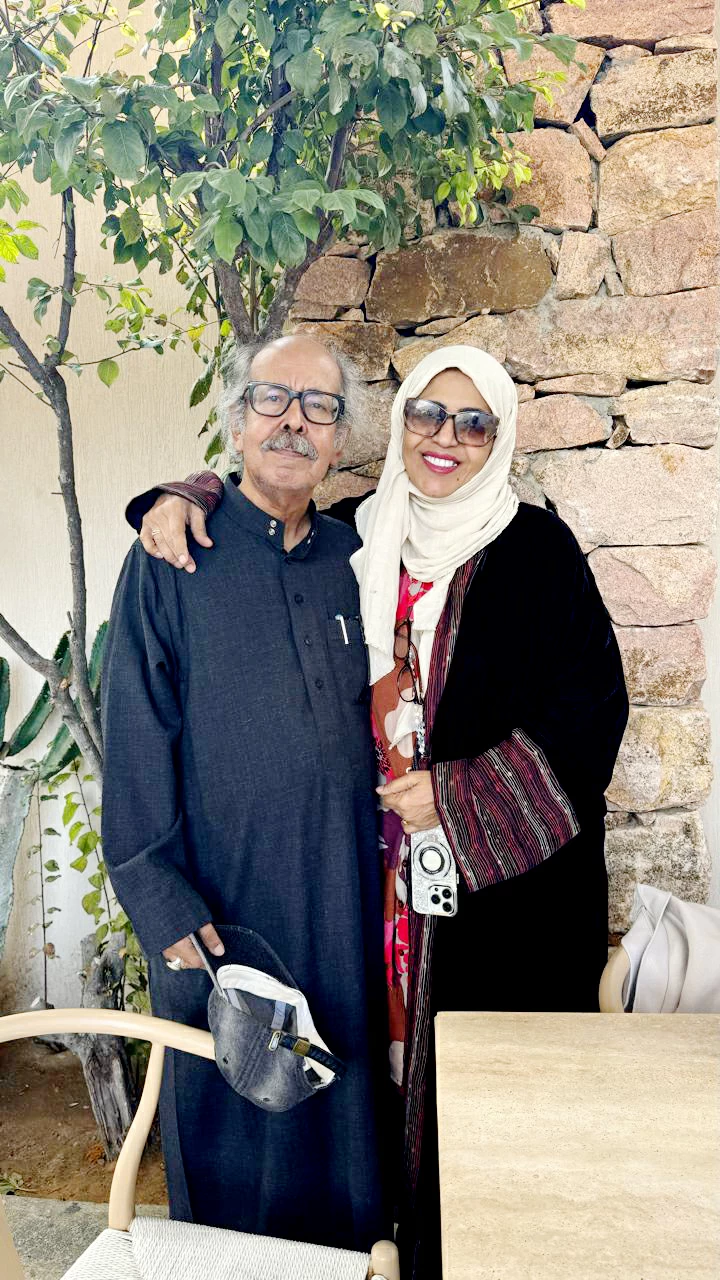
في بعض المراثي لا تبكي الكلماتُ الغائبَ فقط، بل تبكي نفسهَا أيضاً. تتعثّر اللغة، ويضيق الشعر عن حمل الفاجعة، فيغدو النص أقرب إلى أنينٍ طويلٍ. هكذا بدت قصيدة عائشة النويمي وهي تودّع زوجها الأديب والناقد السعودي الراحل سعيد السريحي؛ نصّاً يخرج من القلب قبل أن يمرّ على العَروض، ومن الذاكرة قبل أن يستقرّ في القافية.
لم تكن النويمي تكتب رثاءً تقليدياً، بل كانت تكتب محاولة يائسة للإمساك بظلّ رجلٍ غادر، تاركاً في البيت فراغاً أكبر من اللغة. ولهذا قالت بصدقٍ موجع إن القصيدة جاءت «أشلاءً من الكلام الموزون حيناً.. والمختل أحياناً»، وكأن الحزن نفسه تمرّد على قوانين الشعر، ورفض أن يُصاغ في قالبٍ منتظم.
«وأنا مرادي في الحياة سعيد»
منذ المطلع، تفتح القصيدة بابها على جملة ستبقى طويلاً في ذاكرة القارئ:
«لكل سعيدٍ في الحياة مراد
وأنا مرادي في الحياة سعيدُ»..
هنا لا يظهر اسم الراحل بوصفه شخصاً فقط، بل يتحوَل إلى معنى للحياة نفسها. فـ«سعيد» ليس زوجاً غاب، بل هو المراد، والطمأنينة، والعمر الذي كانت تتكئ عليه الشاعرة في مواجهة الأيام؛ لذلك بدا الرحيل وكأنه اقتلاع لمعنى الحياة لا لفردٍ منها.
وفي هذا البيت تحديداً تتجلّى براعة العاطفة الصافية؛ إذ استطاعت النويمي أن تبني مفارقة لغوية وإنسانية مؤلمة بين الاسم والمعنى، بين «السعيد» الذي غاب، والحياة التي فقدت سعادتها برحيله.
رثاء يواجه الموت بالدهشة..
القصيدة لا تصرخ بقدر ما تتساءل، ثمة دهشة طفولية تقف أمام الموت عاجزة عن التصديق:
«عجباً سعيد…
كيف انطفأت بدون عيد
وبدون أمنية أخيرة…
أو ردود؟!»..
إنها لا تناقش فكرة الموت فلسفياً، بل تواجهها بعاطفة الزوجة التي كانت تؤمن أن للحياة بقية، وأن ثمة موعداً مؤجلاً، وحديثاً لم يكتمل، وأمنية كان ينبغي أن تُقال قبل الرحيل.
وتبدو كلمة «انطفأت» من أكثر المفردات قسوة في النص؛ فهي لا تصف الموت بوصفه نهاية جسد، بل انطفاء نورٍ كان يملأ المكان دفئاً ومعنى.
حين يصبح البيت قصيدة ناقصة
في مقاطع أخرى، يتحوّل الرثاء إلى سيرة منزلٍ فقد روحه:
«يا مؤنسي ورفيق دربي.. عالمي.. أركان بيتي».
فالزميل السريحي هنا ليس كما عرفناه في «عكاظ» اسماً ثقافياً أو ناقداً معروفاً فحسب، بل كان في قصيدة النويمي «أركان البيت»، أي ذلك الحضور اليومي الذي يمنح الأشياء معناها. ولهذا جاء الرثاء منزلياً، حميمياً، بعيداً عن البلاغة المتكلفة، كأن القارئ يتلصّص على حوارٍ خاص بين زوجةٍ وفقدها.
ولعل أكثر ما يمنح النص تأثيره هو صدقه المتجرد؛ إذ لا تحاول النويمي أن تبدو شاعرةً بقدر ما تبدو امرأة مكسورة تحاول النجاة بالكلمات.
«فلن أزيد… ولن أعيد».
تختم النويمي قصيدتها باعترافٍ يشبه الاستسلام:
«حاولت … حتى دُقّ قلبي!
فلن أزيد… ولن أعيد!»..
وكأنها تعلن أن الحزن بلغ حدّه الأقصى، وأن اللغة مهما اتسعت تعجز عن إعادة الغائب أو تضميد الفقد.
إنها قصيدة لا تُقرأ بوصفها نصاً أدبياً فحسب، بل بوصفها وثيقة حب طويلة بين روحين جمعهما العمر، ثم فرّقهما الموت مؤقتاً. ولهذا بدت المرثية أقرب إلى «نشيد وداع» هادئ، كتبه قلبٌ يعرف أن بعض الأحبة لا يغيبون تماماً، بل يتحوّلون إلى ذاكرة تسكننا إلى الأبد.
من مات يا «عيوش» ليس مسافراً
عائشة النويمي
لكل سعيدٍ في الحياة مراد
وأنا مرادي في الحياة سعيدُ
ذهب المراد مسافراً في حله
ما عاد موجوداً وليس يعود
من مات يا عيوش ليس مسافراً
الله يبدأ خلقه ويعيد
**
هيهات لي..
هيهات للحلم العنيد..
لقد تمادى يا سعيد وأبعدك
ما كنت لي وأنا معك
**
عجباً سعيد…
كيف انطفأت بدون عيد
وبدون أمنية أخيرة…
أو ردود؟!
هيهات لي… هيهات لك
ما كنت لي وأنا معك
**
اصبر سعيد
اصبر رويدا يا سعيد
أعجلت بالسفر البعيد؟
ما زال عندي باقةٌ فيها الكثير من الأماني والوعود
في الأرض متسعٌ لنا… والقلب ينتظر المزيد
**
كيف أرثي مهجتي؟!
فقصائدي في الحب أحلى يا سعيد
يا مؤنسي ورفيق دربي.. عالمي أركان بيتي
كل ما لا يحتويه الشعر من زمن بعيد
كيف أجرؤ يا سعيد؟
حاولت… حتى دُقّ قلبي!
فلن أزيد… ولن أعيد!
تقبلوا هذا النشيد…
In some elegies, words do not only mourn the absent, but they also weep for themselves. Language stumbles, and poetry struggles to bear the tragedy, turning the text into something closer to a long moan. This is how Aisha Al-Nuimi’s poem appeared as she bid farewell to her late husband, the Saudi writer and critic, Said Al-Surayhi; a text that emerges from the heart before it passes through the meter, and from memory before it settles into rhyme.
Al-Nuimi was not writing a traditional elegy; rather, she was making a desperate attempt to grasp the shadow of a man who had departed, leaving a void in the home larger than language itself. For this reason, she sincerely and painfully stated that the poem came as “fragments of measured speech at times… and disordered at others,” as if sorrow itself rebelled against the laws of poetry and refused to be shaped into a regular form.
“And my desire in life is Said”
From the opening lines, the poem opens its door to a sentence that will linger long in the reader’s memory:
“Every Said in life has a desire
And my desire in life is Said…”
Here, the name of the deceased does not appear merely as a person, but transforms into a meaning of life itself. For “Said” is not just a husband who has gone, but he is the desire, the reassurance, and the lifetime that the poetess leaned on in facing the days; thus, the departure seemed like the uprooting of the meaning of life, not just of an individual.
In this particular line, the brilliance of pure emotion is manifested; Al-Nuimi was able to build a painful linguistic and human paradox between the name and the meaning, between the “happy” who has departed and the life that lost its happiness with his departure.
An elegy that confronts death with astonishment…
The poem does not scream as much as it questions; there is a childlike astonishment standing before death, unable to believe:
“How strange, Said…
How did you extinguish without a holiday
And without a final wish…
Or responses?!”
It does not philosophically discuss the idea of death, but confronts it with the emotion of a wife who believed that life still had a remainder, that there was a postponed appointment, an unfinished conversation, and a wish that should have been expressed before the departure.
The word “extinguished” seems to be one of the harshest terms in the text; it does not describe death as the end of a body, but as the extinguishing of a light that filled the place with warmth and meaning.
When the home becomes an incomplete poem
In other passages, the elegy transforms into a narrative of a home that has lost its spirit:
“O my companion and my path’s friend… my world… the corners of my home.”
For the late Al-Surayhi here is not just the cultural name or well-known critic we knew from “Okaz,” but in Al-Nuimi’s poem, he is “the corners of the house,” that daily presence that gives things their meaning. This is why the elegy came as domestic, intimate, far from forced rhetoric, as if the reader were eavesdropping on a private conversation between a wife and her loss.
Perhaps what gives the text its impact is its raw honesty; Al-Nuimi does not try to appear as a poet as much as she seems like a broken woman trying to survive with words.
“I will not add… nor will I repeat.”
Al-Nuimi concludes her poem with a confession resembling surrender:
“I tried… until my heart was struck!
I will not add… nor will I repeat!”
As if she declares that sorrow has reached its utmost limit, and that language, no matter how expansive, fails to bring back the absent or to heal the loss.
This is a poem that should not only be read as a literary text but as a long document of love between two souls brought together by life, then temporarily separated by death. Thus, the elegy appeared closer to a calm “farewell hymn,” written by a heart that knows that some loved ones do not completely disappear, but rather transform into a memory that dwells within us forever.
Whoever has died, O “Ayoush,” is not traveling
Aisha Al-Nuimi
Every Said in life has a desire
And my desire in life is Said
The desire has gone traveling in his journey
He is no longer present and will not return
Whoever has died, O Ayoush, is not traveling
God begins His creation and brings it back
**
How far from me…
How far from the stubborn dream…
You have persisted, O Said, and taken yourself away
What you were to me while I was with you
**
How strange, Said…
How did you extinguish without a holiday
And without a final wish…
Or responses?!
How far from me… how far from you
What you were to me while I was with you
**
Be patient, Said
Be patient a little, O Said
Did you hasten to the distant journey?
I still have a bouquet full of many wishes and promises
There is space for us on earth… and the heart awaits more
**
How do I mourn my soul?!
For my poems in love are sweeter, O Said
O my companion and my path’s friend… my world, the corners of my home
All that poetry does not contain from a long time ago
How do I dare, O Said?
I tried… until my heart was struck!
I will not add… nor will I repeat!
Accept this hymn…