




 حالة الطقس
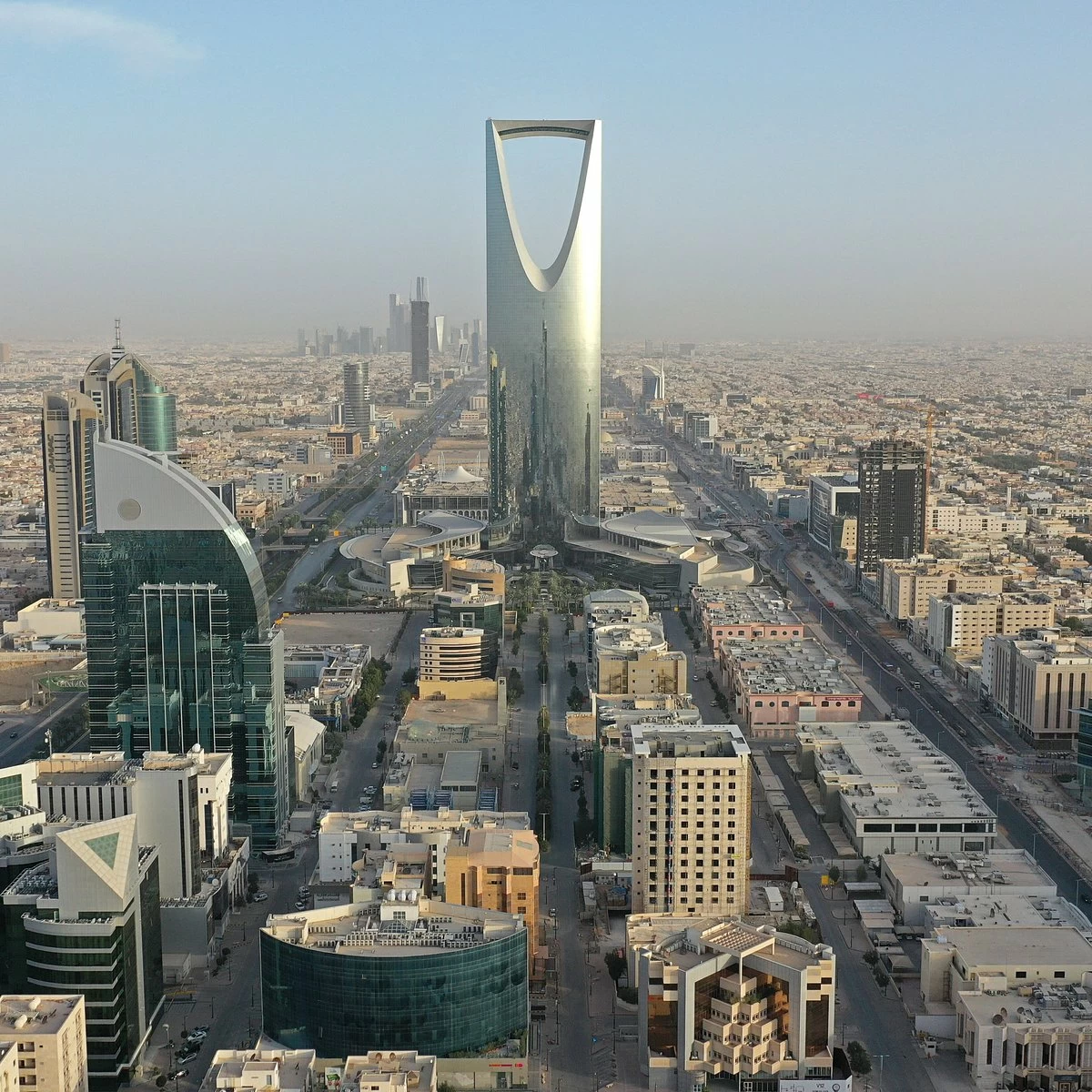
كشفت بيانات البنك المركزي السعودي «ساما» ارتفاع رصيد الاستثمار الأجنبي المباشر داخل الاقتصاد بنهاية عام 2025 إلى نحو 1099.7 مليار ريال، بنسبة ارتفاع بلغت 13% مقارنة بعام 2024.
ويمثل رصيد الاستثمار الأجنبي المباشر داخل الاقتصاد نحو 33 % من إجمالي الاستثمار الأجنبي بالمملكة.
ووفقاً للبيانات، ارتفع رصيد الاستثمار الأجنبي داخل الاقتصاد السعودي بنهاية عام 2025، إلى 3.323.3 مليار ريال، وبنسبة زيادة قدرها 19% مقارنة بالفترة ذاتها من عام 2024.
توزيع الاستثمارات
وتتوزع الاستثمارات الأجنبية على الاستثمار الأجنبي المباشر، إضافة إلى استثمارات الحافظة، التي تتوزع على حقوق الملكية وأسهم صناديق الاستثمار وسندات الدين، البالغة قيمتها 1.315.8 مليار ريال، واستثمارات أخرى بقيمة 907.8 مليار ريال.
ويعرف الاستثمار الأجنبي المباشر بأنه الاستثمار الذي يعكس علاقة طويلة الأمد واهتماماً دائماً لكيانات اقتصادية مقوّمة في اقتصاد آخر غير الاقتصاد المستثمر به، وهذا يعني امتلاك المستثمر الأجنبي ما نسبته 10% أو أكثر من حقوق المساهمين، ما يخوله لممارسة نوع من السيطرة أو التأثير على عملية صنع القرار بما يخدم مصالحه، وبذلك توصف هذه العملية بأنها استثمار أجنبي مباشر.
The data from the Saudi Central Bank “SAMA” revealed an increase in the balance of foreign direct investment within the economy by the end of 2025 to approximately 1,099.7 billion riyals, representing a growth rate of 13% compared to 2024.
The balance of foreign direct investment within the economy accounts for about 33% of the total foreign investment in the Kingdom.
According to the data, the balance of foreign investment within the Saudi economy by the end of 2025 rose to 3,323.3 billion riyals, with an increase of 19% compared to the same period in 2024.
Distribution of Investments
Foreign investments are distributed between foreign direct investment and portfolio investments, which are divided into equity, investment fund shares, and debt securities, amounting to 1,315.8 billion riyals, along with other investments valued at 907.8 billion riyals.
Foreign direct investment is defined as an investment that reflects a long-term relationship and a permanent interest of economic entities valued in another economy different from the investing economy. This means that the foreign investor owns 10% or more of the shareholders’ equity, which allows them to exercise a degree of control or influence over the decision-making process in a way that serves their interests, thus this process is described as foreign direct investment.