




 حالة الطقس

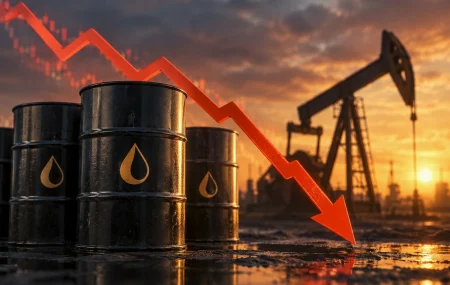
قفزت الأسعار الفورية لخام بحر الشمال إلى مستوى قياسي قرب 150 دولاراً للبرميل، مع تصاعد المخاوف من اضطرابات طويلة الأمد في سوق النفط، على إثر تصاعد التوترات الجيوسياسية في الشرق الأوسط.
وأظهرت بيانات «إل إس إي جي»، ارتفاع سعر التسليم الفوري لخام «فورتس» إلى 148.87 دولار للبرميل اليوم الإثنين، وهو أعلى مستوى له على الإطلاق.
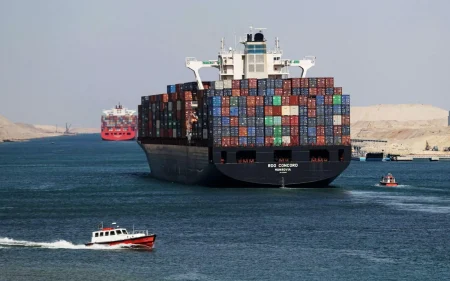
وجاءت هذه القفزة مدفوعة بمخاوف من نقص المعروض، بعد تصاعد التوترات المرتبطة بمضيق هرمز، ما دفع الأسواق الفورية إلى تسجيل علاوة سعرية حادة مقارنة بأسواق العقود الآجلة.
أسعار برنت
وكانت أسعار النفط قد تجاوزت 100 دولار للبرميل، اليوم، في الوقت الذي تستعد فيه البحرية الأمريكية لفرض السيطرة على حركة السفن في مضيق هرمز، وهي خطوة قد تحد من صادرات النفط الإيرانية، بعد أن فشلت واشنطن وطهران في التوصل إلى اتفاق لإنهاء الحرب.
وارتفعت العقود الآجلة لخام برنت بمقدار 7.01 دولار، أو 7.36% إلى 102.21 دولار للبرميل، بعد أن أغلقت على انخفاض 0.75% يوم الجمعة الماضي.
وبلغ سعر خام غرب تكساس الوسيط الأمريكي 104.87 دولار للبرميل، بارتفاع 8.30 دولار، أو 8.59%، بعد تراجعه 1.33% في الجلسة السابقة.
ظروف سائدة
وقال رئيس قسم أبحاث الطاقة في إحدى المجموعات العالمية المتخصصة سول كافونيك: «عادت السوق الآن إلى حدٍّ كبير إلى الظروف التي كانت سائدة قبل وقف إطلاق النار، باستثناء أن الولايات المتحدة ستمنع الآن التدفقات الإيرانية المتبقية التي تصل إلى مليوني برميل يومياً عبر مضيق هرمز أيضاً».
Spot prices for North Sea crude jumped to a record level near $150 per barrel, amid rising fears of long-term disruptions in the oil market due to escalating geopolitical tensions in the Middle East.
Data from “LSEG” showed that the spot price for “Forties” crude rose to $148.87 per barrel today, Monday, marking its highest level ever.
This surge was driven by concerns over supply shortages, following heightened tensions related to the Strait of Hormuz, which pushed spot markets to register a sharp premium compared to futures markets.
Brent Prices
Oil prices surpassed $100 per barrel today, as the U.S. Navy prepares to impose control over shipping traffic in the Strait of Hormuz, a move that could limit Iranian oil exports, after Washington and Tehran failed to reach an agreement to end the war.
Brent crude futures rose by $7.01, or 7.36%, to $102.21 per barrel, after closing down 0.75% last Friday.
The price of West Texas Intermediate (WTI) crude reached $104.87 per barrel, up $8.30, or 8.59%, after a decline of 1.33% in the previous session.
Prevailing Conditions
The head of energy research at a global specialized group, Sol Kafonik, stated: “The market has now largely returned to the conditions that prevailed before the ceasefire, except that the United States will now prevent the remaining Iranian flows of up to two million barrels per day through the Strait of Hormuz as well.”