




 حالة الطقس

كشفت تقديرات شركة الطيران الألمانية إمكانية حدوث نقص في إمدادات وقود الطائرات إذا تحول الصراع في الشرق الأوسط إلى حرب طويلة الأمد، في ضوء الهجمات التي تشنها الولايات المتحدة وإسرائيل على إيران منذ نهاية فبراير الماضي.
وأفادت وكالة أنباء بلومبيرغ، اليوم، بأن، رئيسة قسم التكنولوجيا وتكنولوجيا المعلومات والابتكار لدى الشركة جراتسيا فيتاديني صرحت لصحيفة «دي فيلت» الألمانية بالقول: «مسألة توفر الوقود صعبة بالفعل في بعض المطارات في آسيا. وكلما طالت فترة إغلاق مضيق هرمز، زاد وضع الإمدادات حرجاً».
تضاعف الأسعار
وأشارت فيتاديني إلى أنه رغم تضاعف أسعار الكيروسين، فإن الشركة أمنت وضعها إلى حد كبير من خلال عقود التحوط التي تغطي 80% من احتياجات الشركة من الوقود لهذا العام. غير أنها أضافت مستدركة: «لكن بالتأكيد، فإن ارتفاع أسعار الكيروسين يؤثر علينا أيضاً».
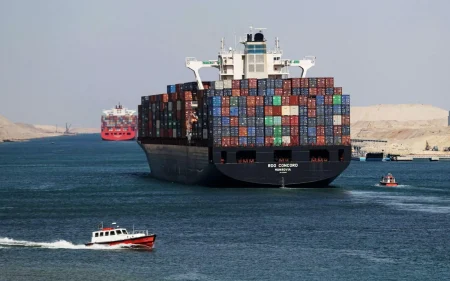
وكانت أكبر مجموعة طيران في أوروبا أعدت الأسبوع الماضي خططاً تتضمن احتمال وقف تحليق بعض الطائرات حال انخفاض الطلب وتصاعد أسعار الوقود مع استمرار الأعمال القتالية في الشرق الأوسط، مشيرة إلى أن الإغلاق الفعلي لمضيق هرمز أدى إلى احتجاز حصة كبيرة من شحنات وقود الطائرات العالمية، ودفع المصافي في آسيا إلى تخفيض الإنتاج.
The estimates from the German airline company revealed the possibility of a shortage in aircraft fuel supplies if the conflict in the Middle East escalates into a prolonged war, in light of the attacks being carried out by the United States and Israel on Iran since the end of February.
Bloomberg News reported today that the head of the technology, information technology, and innovation department at the company, Grazia Vitadini, stated to the German newspaper “Die Welt”: “The issue of fuel availability is indeed challenging at some airports in Asia. The longer the closure of the Strait of Hormuz lasts, the more critical the supply situation becomes.”
Price Doubling
Vitadini pointed out that although jet fuel prices have doubled, the company has largely secured its position through hedging contracts that cover 80% of its fuel needs for this year. However, she added, “But certainly, the rise in jet fuel prices affects us as well.”
The largest airline group in Europe prepared plans last week that include the possibility of grounding some aircraft if demand decreases and fuel prices rise amid the ongoing hostilities in the Middle East, noting that the actual closure of the Strait of Hormuz has led to a significant portion of global aircraft fuel shipments being held up, prompting refineries in Asia to cut production.