



 حالة الطقس
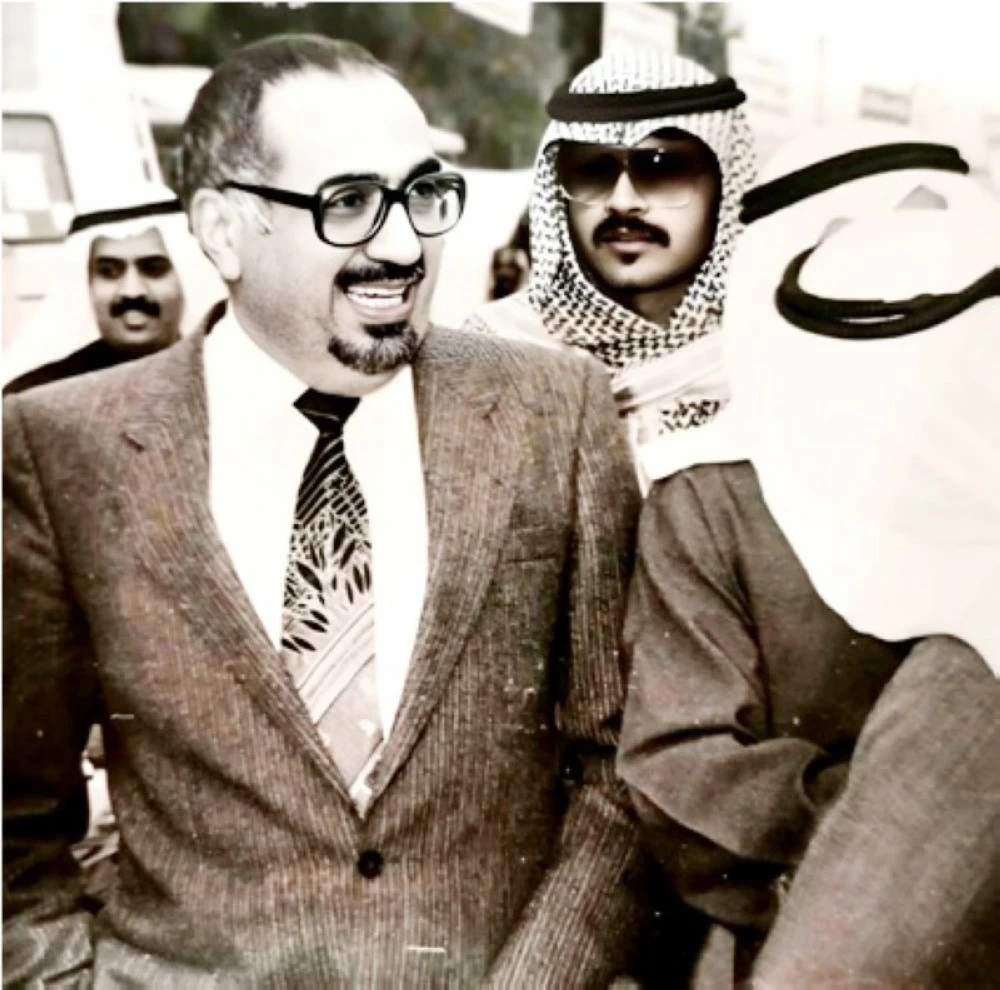
من رجالات الكويت المخلصين الأوفياء الذين عشقوها بكل جوارحهم وعملوا في خدمتها إلى آخر لحظة من حياتهم، وشهدوا معظم المتغيرات والأحداث الكبيرة في تاريخها المعاصر، وشرفوها في المحافل والمنابر الإقليمية والدولية، يبرز اسم الطبيب والسياسي الحكيم الدكتور عبدالرحمن العوضي، الذي تولى الحقائب الوزارية، وخدم طبيباً في العديد من المستشفيات، وانخرط في عالم السياسة التي قادته إلى عضوية مجلس الأمة لسنوات طويلة، ودافع عن صحة المواطن وسلامة البيئة، وحصد الجوائز والتكريمات الرفيعة تقديراً لعلمه ومسيرته وجهوده.
حينما أُعلن خبر وفاته في السادس من يوليو 2019 إثر نوبة قلبية دهمته وهو نائم في سريره، كان الخبر صادماً للكثيرين من الشيوخ والمسؤولين والمواطنين على حد سواء، لسبب بسيط هو أن العوضي لم يكن مجرد شخصية عابرة في تاريخ الكويت، وإنما كان نموذجاً للمواطن والمسؤول ورجل الدولة ونائب البرلمان الذي تعاطى مع مختلف الأزمات والتحولات والصراعات بروح الإنسان الذي علمته تجاربه وخبراته كيف يوازن الأمور وكيف يتخذ القرار الصحيح وكيف يسعى للخير والصلاح، وكيف يقول كلمة الحق.
كتب عنه الدكتور فوزي الخواري في صحيفة «الوطن» الكويتية (20/7/2019) فقال: «تشرفت بالعمل معه في الجمعية الكويتية لزراعة الأعضاء لسنوات عدة، وهي بالمناسبة إحدى جمعيات النفع العام التي ساهم في تأسيسها، فكان رحمه الله مثالاً يُحتذى به في كل جوانب تعامله بدءاً من الالتزام بالوقت وأهميته ومروراً بآداب الحوار والنقاش وإلى ما لا نهاية في النصح والاحترام وإفساح المجال للعمل والتغلب على المصاعب مردداً مقولة (أشعل شمعة بدلاً من أن تلعن الظلام)».
ونعاه زميله وزير الصحة الأسبق (من عام 2014 إلى 2016) علي سعد العبيدي، فكتب في صحيفة «الرأي» الكويتية (7/7/2019): «تدثر بمعطفه الأبيض، وقلبه الناصع، وسيرته العطرة.. رحل الرجل متوسداً تاريخاً سياسياً يضج بالإنجاز، وإرثاً اجتماعياً يعج بالخير، وسجلاً نقابياً يرج المدى، وحياة عملية لم تتوقف على مدى ستة عقود حتى فاضت الروح إلى باريها».
حينما أجرت صحيفة «الوطن» (1/7/2013) حواراً شاملاً معه في مكتبه، كتب محاوره مقدمة قال فيها، إن الحوار معه مطمح للصحافيين لأنه «سيبقى أحد الحكماء الذي يبحث الناس عنهم ويتطلعون إلى دور لهم، خصوصاً عندما تضيع البوصلة وتسود الخلافات وتبرز الصراعات وتعاني الساحة من تصفية الحسابات»، مشيراً بذلك إلى جملة المشاكل التي عانت منها الكويت طويلاً بعد حقبة الغزو، وتسببت في استقالة الحكومات وإعادة تشكيلها وتكرر حل البرلمان وإجراء انتخابات جديدة. والحقيقة أن العوضي تحدث في ذلك الحوار عن كل شيء بمنطق الرجل المطلع الواعي لما يدور في كواليس وطنه، ابتداءً من الدروس المستفادة من الغزو وملف البدون ومزدوجي الجنسية والقروض البنكية ومستقبل النفط ومداخيله، إلى النظام الانتخابي الأسلم وفكرة الأخذ بنظام المجلسين والسماح بتشكيل الأحزاب والموقف من الإسلام السياسي ورموزه وكيفية التعاطي مع الجماعات المتطرفة ومشاكل التعليم وضعف مخرجاته، ومتطلبات الأمن والاستقرار في منطقة تموج بالصراعات.
وُلد «عبدالرحمن بن عبدالله بن محمد هادي العوضي» في العاصمة الكويت في الثامن عشر من سبتمبر 1936، ما يعني أنه عاصر ستة من حكام الكويت ابتداءً من الشيخ أحمد الجابر المبارك الصباح، وانتهاءً بالشيخ صباح الأحمد الجابر الصباح رحمهما الله.
كان ميلاده لوالده الحاج عبدالله محمد هادي العوضي (1895 ــ 1963)، والأخير ــ طبقاً لمنتدى تاريخ الكويت الإلكتروني ــ هو أول من هاجر إلى الكويت من عائلته التي تلقب بـ«العوضي» (نسبة إلى بلدة «عوض» الواقعة في جنوب بلاد فارس)، حيث وصل الحاج عبدالله إلى الكويت برفقة أخيه الوحيد محمد أمين ومجموعة من أقاربه في عام 1905، قادمين من دبي التي أقاموا بها مدة خمس سنوات. في الكويت عمل في تجارة الأقمشة في بادئ الأمر وحقق من ورائها ربحاً وفيراً، ثم عمل في ثلاثينات القرن العشرين في مجال العقارات بيعاً وشراءً، واستمر كذلك إلى أن تُوفي في لندن سنة 1963. وتشير الوثائق التاريخية إلى أن الحاج عبدالله حصل في عام 1942 على وثيقة سفر صالحة لمدة عام من دار الاعتماد البريطاني في الكويت، تخوّله السفر إلى العراق والبحرين والهند من أجل التجارة، وللمرحوم مساهمات خيرية كثيرة في داخل الكويت وخارجها، منها «مسجد العوضي» في شارع الشيخ أحمد الجابر.
نشأ عبدالرحمن العوضي في بيت يقدّر قيمة العلم وأهميته في حياة الفرد والمجتمع، وهو ما ساعده على اجتياز جميع مراحل التعليم العام بنجاح، ومن ثمّ السفر إلى لبنان للالتحاق بواحدة من أفضل وأقدم وأشهر جامعات الشرق الأوسط، وهي الجامعة الأمريكية ببيروت التي تخرج منها عام 1958 حاملاً بكالوريوس العلوم. واصل بعد ذلك تعليمه العالي فحصل على ماجستير الصحة العامة من جامعة هارفارد الأمريكية العريقة، ودكتوراه الطب من جامعة أبردين الأسكتلندية في عام 1963.
بدأ حياته المهنية بالالتحاق في ستينات القرن العشرين بوزارة الصحة الكويتية التي تدرج في وظائفها، فعمل طبيباً مقيماً في الوزارة، وطبيباً مسجلاً في مستشفيات الوزارة، ومقرراً للجنة التخطيط في الوزارة، فمديراً مساعداً لإدارة الخدمات الوقائية بالوزارة في عام 1969، فوكيلاً مساعداً بوزارة الصحة لشؤون الخدمات الوقائية ما بين عامي 1970 ــ 1975.
في عام 1975 قرر صاحبنا خوض غمار السياسة من خلال الترشح لعضوية مجلس الأمة، ففاز عن مقعد الدائرة السادسة (القادسية)، حاصداً الترتيب الأول بعدد من الأصوات بلغ 939 صوتاً، وحافظ على مقعده بالمجلس حتى عام 1980. وبسبب عضويته النيابية تمّ في عام 1975 اختياره لشغل حقيبة الصحة في التشكيل الوزاري الثامن في تاريخ الكويت الذي ترأسه ولي العهد آنذاك الشيخ جابر الأحمد الجابر الصباح رحمه الله، والذي استمر حتى 29 أغسطس 1976. احتفظ العوضي بحقيبة الصحة العامة، بعد ذلك، في كل التشكيلات الوزارية التالية حتى عام 1986. وبهذا كان العوضي تاسع وزير للصحة في تاريخ الكويت، حيث سبقه في هذا المنصب قبل الاستقلال (على رأس دائرة الصحة) كل من؛ الشيخ عبدالله السالم الصباح، والشيخ فهد السالم الصباح، والشيخ صباح السالم الصباح، وسبقه في المنصب بعد الاستقلال كل من؛ عبدالعزيز حمد الصقر، وعبداللطيف ثنيان الغانم، وحمود يوسف النصف، وعبدالعزيز إبراهيم الفليج، والدكتورعبدالرزاق مشاري العدواني. أما قائمة وزراء الصحة الذين أتوا من بعده فتشمل بالترتيب كلاً من؛ الدكتور عبدالرزاق يوسف العبدالرزاق، والدكتور عبدالوهاب سليمان الفوزان، والدكتور عبدالرحمن صالح المحيلان، والشيخ سعود الناصر الصباح، وأنور عبدالله النوري، والدكتور عادل الصبيح، والدكتور محمد أحمد الجارالله، والشيخ أحمد فهد الأحمد الصباح، والشيخ أحمد عبدالله الأحمد الصباح، والدكتورة معصومة صالح المبارك، وعبدالله سعود المحيلبي، وعبدالله الطويل، وعلي البراك، وروضان الروضان، والدكتور هلال مساعد الساير، والدكتور محمد براك الهيفي، والشيخ محمد عبدالله المبارك الصباح، والدكتور علي سعد العبيدي، والدكتور جمال الحربي، والشيخ الدكتور باسل حمود الصباح، والدكتور خالد السعيد.
في عام 1983 أُضيفت إلى مسؤولياته وزيراً للصحة حقيبة التخطيط في الحكومة التي ترأسها ولي العهد وقتذاك الشيخ سعد العبدالله السالم. وفي 1988 أجرى ولي العهد رئيس مجلس الوزراء الشيخ سعد العبدالله تعديلاً وزارياً، خسر العوضي بموجبه حقيبة الصحة لصالح زميله الدكتور عبدالرزاق يوسف العبدالرزاق، لكنه ظل ممسكاً بحقيبة التخطيط حتى عام 1990، حينما تمّ تعيينه لأول مرة وزيراً للدولة لشؤون مجلس الوزراء، وهو منصب ظل يشغله حتى عام 1991، أي إلى حين انتهاء الغزو العراقي للكويت.
انطلاقاً من حبه الكبير لوطنه، وحرصه على سلامة مواطنيه، اهتم العوضي بدراسة الآثار البيئية على صحة الإنسان، فأنشأ برنامجاً خاصاً ومحطات لمراقبة وفحص تلوث الهواء، علاوة على قيامه بتأسيس قسم للبيئة، لأول مرة، داخل وزارة الصحة سنة 1968، وإصداره للعديد من المؤلفات البيئية والصحية، وترؤسه مجلس حماية البيئة في الكويت في الفترة من 1980 إلى 1987، وبسبب نشاطه البيئي واهتماماته بصحة البيئة، تم اختياره في عام 1981 لمنصب الأمين التنفيذي للمنظمة الإقليمية لحماية البيئة البحرية (روبمي)، علماً بأنه مؤسس ورئيس اللجنة التنفيذية للمنتدى العربي للبيئة والتنمية (أفد).
وللأسباب ذاتها نال جائزة «الشخصية البيئية» لعام 1998 من الأمانة العامة لمجلس التعاون لدول الخليج العربية، فأضافها إلى جوائز أخرى حصل عليها مثل؛ «جائزة إنجازات العمر الطبية» في عام 2016 من المنتدى العربي للبيئة والتنمية التابع لجامعة الدول العربية، و«جائزة الشيخ حمدان بن راشد آل مكتوم للعلوم الطبية» المخصصة للعلماء والباحثين العرب في عام 2008 (مناصفة مع زوجته الطبيبة صديقة علي العوضي). إلى ذلك نال العوضي عدداً من الدرجات والشهادات الفخرية أبرزها؛ الزمالة الفخرية للكلية الملكية الإيرلندية للطب عام 1977، والدكتوراه الفخرية في القانون من جامعة «سي شيك بون» الكورية الجنوبية سنة 1977، والزمالة الفخرية للكلية الملكية للجراحين في بريطانيا سنة 1982، والزمالة الفخرية للجمعية الأمريكية للصحة العامة سنة 1982.
من المناصب الأخرى التي تولاها العوضي، عدا تلك التي أشرنا إليها، رئيس المجلس التنفيذي لوزراء الصحة العرب من عام 1976 إلى 1987، ونائب رئيس جمعية الهلال الأحمر الكويتي من 1976 إلى 1986، وعضو مجلس إدارة جمعية الهلال الأحمر من 1972 إلى 1976. كما تولى منصب الأمين العام للمركز العربي للأدب الطبي، ورئيس المنظمة الإسلامية للعلوم الطبية، ورئيس الجمعية العامة لمنظمة الصحة العالمية، وعضو المجلس الاستشاري الإقليمي لمكافحة المخدرات التابع للمكتب الإقليمي لمنظمة الصحة العالمية بمنطقة الشرق الأوسط.
ولأنه أمضى عمراً يخدم جمعية الهلال الأحمر ويساهم في أنشطتها، فقد كرمته الجمعية في عام 2016 خلال حفل بمناسبة يوبيلها الذهبي، بحضور أمير البلاد المغفور له الشيخ صباح الأحمد الجابر الصباح.
ويجمع الكويتيون، من مختلف المشارب، على أن فترة قيادة العوضي لوزارة الصحة كانت العصر الذهبي لهذه الوزراة المهمة وحقبة الإنجازات النوعية الكثيرة. فقد نجح في إقناع القيادة السياسية، بعد توليه حقيبة الصحة، بضرورة التوسع في بناء المستشفيات على أن تكون موزعة على رقعة جغرافية واسعة، فتمّ بناء معظم المستشفيات الموجودة حالياً. كما تُعزى إليه فكرة إنشاء المراكز الصحية في كل منطقة سكنية لتقديم الرعاية الصحية الأولية، وإنشاء صناعة دوائية في البلاد (تعطلت بسبب الغزو العراقي). ومن ناحية أخرى، جرت في عهده، وبعد تسلمه حقيبة الصحة بسنوات قليلة، أول عملية زراعة كلى في الكويت والشرق الأوسط في أعقاب صدور فتوى شرعية من وزارة الأوقاف الكويتية بجواز نقل وزراعة الأعضاء، وهو ما شجع وزارته على إصدار أول قانون على مستوى الشرق الأوسط لتنظيم إجراء تلك العمليات التي توالت في الثمانينات في المستشفيات الكويتية، لتصبح الكويت في مصاف الدول الرائدة في مجال زراة الأعضاء.
ونختتم بالإشارة إلى أن الفقيد عُرف بأنه أول مشّاء في الكويت، ومن أكثر المساهمين في تطوير ونشر رياضة المشي في بلده.
Among the loyal and devoted figures of Kuwait who loved it with all their hearts and worked for its service until the last moment of their lives, witnessing most of the changes and major events in its contemporary history, and honoring it in regional and international forums, the name of the wise doctor and politician Dr. Abdulrahman Al-Awadi stands out. He held ministerial portfolios, served as a physician in many hospitals, and engaged in the world of politics, which led him to become a member of the National Assembly for many years. He defended the health of citizens and the safety of the environment, earning prestigious awards and honors in recognition of his knowledge, career, and efforts.
When the news of his death was announced on July 6, 2019, due to a heart attack that struck him while he was sleeping in his bed, the news was shocking to many sheikhs, officials, and citizens alike. The simple reason is that Al-Awadi was not just a fleeting figure in Kuwait’s history, but rather a model of a citizen, a responsible individual, a statesman, and a parliament member who dealt with various crises, transformations, and conflicts with the spirit of a person whose experiences and knowledge taught him how to balance matters, make the right decisions, seek goodness and righteousness, and speak the truth.
Dr. Fawzi Al-Khawari wrote about him in the Kuwaiti newspaper “Al-Watan” (20/7/2019), saying: “I had the honor of working with him in the Kuwaiti Society for Organ Transplantation for several years, which, by the way, is one of the public benefit societies he helped establish. He was, may God have mercy on him, an example to be followed in all aspects of his dealings, starting from commitment to time and its importance, passing through the etiquette of dialogue and discussion, and extending endlessly in advice, respect, and creating space for work and overcoming difficulties, repeating the saying (Light a candle instead of cursing the darkness).”
His colleague, former Minister of Health (from 2014 to 2016) Ali Saad Al-Obeidi, mourned him, writing in the Kuwaiti newspaper “Al-Rai” (7/7/2019): “He wrapped himself in his white coat, with his pure heart and fragrant biography… The man departed, resting on a political history filled with achievements, a social legacy brimming with goodness, a union record that resonates far and wide, and a professional life that did not stop for six decades until his soul ascended to its Creator.”
When “Al-Watan” newspaper conducted a comprehensive interview with him in his office (1/7/2013), his interlocutor wrote an introduction stating that the interview with him is a coveted opportunity for journalists because he “will remain one of the wise individuals that people seek and look forward to their role, especially when the compass is lost, disagreements prevail, conflicts emerge, and the arena suffers from settling scores,” referring to the numerous problems that Kuwait suffered from for a long time after the invasion, which led to the resignation of governments, their reshaping, the repeated dissolution of parliament, and new elections. The truth is that Al-Awadi spoke in that interview about everything with the logic of an informed man aware of what is happening behind the scenes of his country, starting from the lessons learned from the invasion, the issue of the stateless, dual nationality, bank loans, the future of oil and its revenues, to the most suitable electoral system, the idea of adopting a bicameral system, allowing the formation of parties, his stance on political Islam and its symbols, how to deal with extremist groups, the problems of education and its weak outputs, and the requirements for security and stability in a region rife with conflicts.
Abdulrahman bin Abdullah bin Mohammed Hadi Al-Awadi was born in Kuwait City on September 18, 1936, which means he witnessed six rulers of Kuwait, starting from Sheikh Ahmad Al-Jaber Al-Mubarak Al-Sabah, to Sheikh Sabah Al-Ahmad Al-Jaber Al-Sabah, may they both rest in peace.
He was born to his father, Hajj Abdullah Mohammed Hadi Al-Awadi (1895-1963), who, according to the Kuwait Historical Forum, was the first to migrate to Kuwait from his family, which is known as “Al-Awadi” (named after the town of “Awadh” located in southern Persia). Hajj Abdullah arrived in Kuwait with his only brother, Mohammed Amin, and a group of relatives in 1905, coming from Dubai, where they had lived for five years. In Kuwait, he initially worked in the fabric trade and made a substantial profit from it, then worked in the 1930s in real estate, buying and selling, and continued in this field until he passed away in London in 1963. Historical documents indicate that Hajj Abdullah obtained a travel document valid for one year from the British Consulate in Kuwait in 1942, allowing him to travel to Iraq, Bahrain, and India for trade. The late Hajj Abdullah had many charitable contributions inside and outside Kuwait, including the “Al-Awadi Mosque” on Sheikh Ahmad Al-Jaber Street.
Abdulrahman Al-Awadi grew up in a household that valued education and its importance in the life of the individual and society, which helped him successfully pass all stages of general education, and then travel to Lebanon to join one of the best, oldest, and most famous universities in the Middle East, the American University of Beirut, from which he graduated in 1958 with a Bachelor of Science. He then continued his higher education, obtaining a Master’s in Public Health from the prestigious Harvard University, and a Doctor of Medicine degree from the University of Aberdeen in Scotland in 1963.
He began his professional life by joining the Kuwaiti Ministry of Health in the 1960s, where he progressed through its positions, serving as a resident physician in the ministry, a registered physician in the ministry’s hospitals, a rapporteur for the planning committee in the ministry, and then as an assistant director of the preventive services department in the ministry in 1969, and as an assistant undersecretary at the Ministry of Health for preventive services between 1970 and 1975.
In 1975, our subject decided to enter the political arena by running for membership in the National Assembly, winning a seat in the sixth district (Qadsiya) with the first rank, receiving 939 votes, and maintaining his seat in the council until 1980. Due to his parliamentary membership, he was appointed in 1975 to hold the health portfolio in the eighth ministerial formation in Kuwait’s history, which was chaired by the then Crown Prince Sheikh Jaber Al-Ahmad Al-Jaber Al-Sabah, may he rest in peace, which lasted until August 29, 1976. Al-Awadi retained the public health portfolio in all subsequent ministerial formations until 1986. Thus, Al-Awadi became the ninth Minister of Health in Kuwait’s history, preceded in this position before independence (at the head of the Health Department) by Sheikh Abdullah Al-Salem Al-Sabah, Sheikh Fahd Al-Salem Al-Sabah, and Sheikh Sabah Al-Salem Al-Sabah, and succeeded in the position after independence by Abdulaziz Hamad Al-Saqr, Abdulatif Thunayan Al-Ghanem, Hamoud Yusuf Al-Nasf, Abdulaziz Ibrahim Al-Faleej, and Dr. Abdulrazak Mashari Al-Adwani. The list of health ministers who followed him includes, in order, Dr. Abdulrazak Yusuf Al-Abdulrazak, Dr. Abdulwahab Suleiman Al-Fawzan, Dr. Abdulrahman Saleh Al-Muhailan, Sheikh Saud Al-Nasser Al-Sabah, Anwar Abdullah Al-Nouri, Dr. Adel Al-Sabih, Dr. Mohammed Ahmad Al-Jarallah, Sheikh Ahmad Fahd Al-Ahmad Al-Sabah, Sheikh Ahmad Abdullah Al-Ahmad Al-Sabah, Dr. Ma’souma Saleh Al-Mubarak, Abdullah Saud Al-Muhailbi, Abdullah Al-Tawil, Ali Al-Barak, Rawdan Al-Rawdan, Dr. Hilal Musaad Al-Sayer, Dr. Mohammed Barak Al-Haifi, Sheikh Mohammed Abdullah Al-Mubarak Al-Sabah, Dr. Ali Saad Al-Obeidi, Dr. Jamal Al-Harbi, Sheikh Dr. Basel Hamoud Al-Sabah, and Dr. Khaled Al-Saeed.
In 1983, the health portfolio was added to his responsibilities as Minister of Planning in the government chaired by the then Crown Prince Sheikh Saad Al-Abdullah Al-Salem. In 1988, the Crown Prince and Prime Minister Sheikh Saad Al-Abdullah made a ministerial amendment, through which Al-Awadi lost the health portfolio to his colleague Dr. Abdulrazak Yusuf Al-Abdulrazak, but he retained the planning portfolio until 1990, when he was appointed for the first time as Minister of State for Cabinet Affairs, a position he held until 1991, that is, until the end of the Iraqi invasion of Kuwait.
Driven by his great love for his country and his concern for the safety of its citizens, Al-Awadi focused on studying the environmental impacts on human health, establishing a special program and monitoring stations for air pollution testing, in addition to founding an environmental department for the first time within the Ministry of Health in 1968, issuing numerous environmental and health publications, and chairing the Environmental Protection Council in Kuwait from 1980 to 1987. Due to his environmental activity and interests in environmental health, he was appointed in 1981 as the Executive Secretary of the Regional Organization for the Protection of the Marine Environment (ROPME), noting that he is the founder and chairman of the Executive Committee of the Arab Forum for Environment and Development (AFED).
For the same reasons, he received the “Environmental Personality” award for 1998 from the General Secretariat of the Gulf Cooperation Council, adding it to other awards he received, such as the “Lifetime Achievement Award in Medicine” in 2016 from the Arab Forum for Environment and Development affiliated with the Arab League, and the “Sheikh Hamdan bin Rashid Al Maktoum Award for Medical Sciences” designated for Arab scientists and researchers in 2008 (shared with his wife, Dr. Sadiqa Ali Al-Awadi). Additionally, Al-Awadi received several honorary degrees and certificates, most notably; the honorary fellowship of the Royal College of Physicians of Ireland in 1977, an honorary doctorate in law from “Seoul National University” in South Korea in 1977, the honorary fellowship of the Royal College of Surgeons in the UK in 1982, and the honorary fellowship of the American Public Health Association in 1982.
Among the other positions held by Al-Awadi, besides those mentioned, were Chairman of the Executive Council of Arab Health Ministers from 1976 to 1987, Vice President of the Kuwait Red Crescent Society from 1976 to 1986, and a member of the Board of Directors of the Red Crescent Society from 1972 to 1976. He also served as Secretary-General of the Arab Center for Medical Literature, President of the Islamic Organization for Medical Sciences, President of the World Health Organization’s General Assembly, and a member of the Regional Advisory Council for Drug Control of the World Health Organization’s Regional Office for the Middle East.
Because he spent a lifetime serving the Red Crescent Society and contributing to its activities, the society honored him in 2016 during a ceremony on the occasion of its golden jubilee, in the presence of the late Amir of the country, Sheikh Sabah Al-Ahmad Al-Jaber Al-Sabah.
Kuwaitis from various backgrounds agree that Al-Awadi’s tenure as Minister of Health was the golden age for this important ministry and a period of many qualitative achievements. He succeeded in convincing the political leadership, after taking over the health portfolio, of the necessity to expand the construction of hospitals to be distributed over a wide geographical area, leading to the construction of most of the hospitals currently in existence. He is also credited with the idea of establishing health centers in every residential area to provide primary healthcare and creating a pharmaceutical industry in the country (which was disrupted due to the Iraqi invasion). On the other hand, during his tenure, shortly after he took over the health portfolio, the first kidney transplant operation in Kuwait and the Middle East took place following a legal fatwa from the Kuwaiti Ministry of Awqaf permitting the transfer and transplantation of organs, which encouraged his ministry to issue the first law in the Middle East to regulate such operations that continued in the 1980s in Kuwaiti hospitals, making Kuwait one of the leading countries in the field of organ transplantation.
We conclude by noting that the late was known as the first walker in Kuwait and one of the most significant contributors to the development and promotion of the walking sport in his country.