




 حالة الطقس
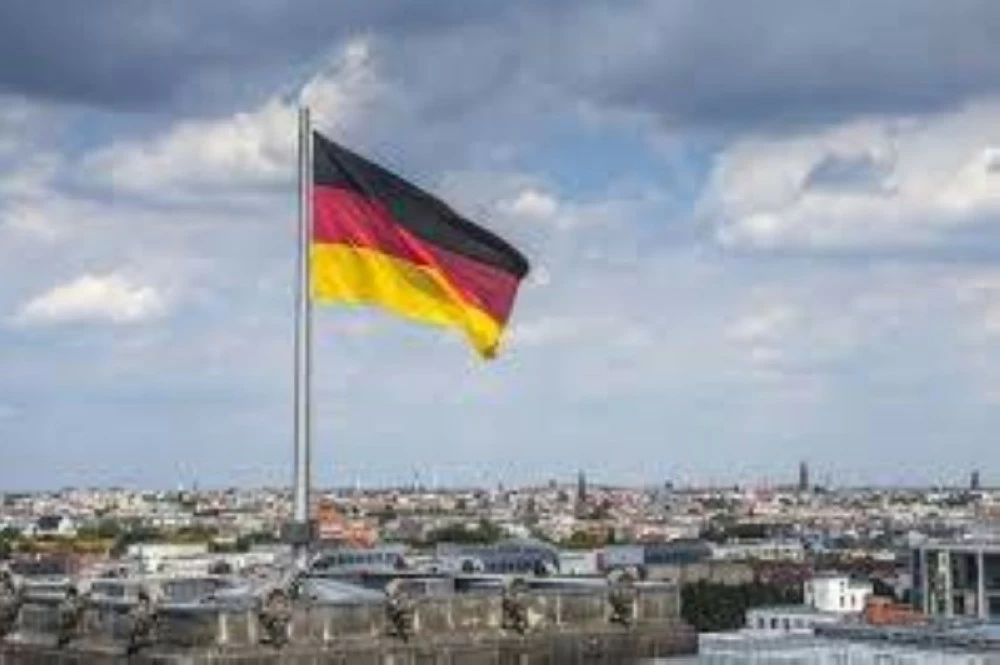
أظهرت بيانات أولية من مكتب الإحصاء الاتحادي الألماني، ارتفاع حالات إفلاس الشركات، بحسب الطلبات المقدمة في المحاكم الجزئية في البلاد، بنسبة 15.2% على أساس سنوي في ديسمبر 2025م.
وقال المكتب: «إن هذا يمثل زيادة حادة مقارنة بـ5.7% على أساس سنوي في نوفمبر الماضي».
ومع ذلك، أشار المكتب إلى أن الأرقام تتضمن القرارات الأولية وليست النهائية الصادرة من المحاكم، التي تصدر عادة بعد 3 أشهر من تقديم الطلبات.
أعلى مستوى
الباحثون في معهد لايبنيز للأبحاث الاقتصادية في هاله قدّروا أخيراً في تحليل ارتفاع حالات إفلاس الشركات خلال عام 2025 لأعلى مستوى منذ 20 عاماً، وقدّروا عدد حالات الإفلاس بـ17 ألفاً و604.
ولكن خلال الأزمة المالية في عام 2009، انخفض العدد بنسبة 5% حينذاك، حسبما قال المعهد.
يذكر أن اتحاد غرف التجارة والصناعة الألمانية حذر سابقاً من تراجع اقتصادي حاد في ألمانيا التي تعتبر أكبر اقتصاد أوروبي.
مهمات هيكلية
وقال رئيس الاتحاد بيتر أدريان: «إذا لم ننجز المهمات الهيكلية ولم ننفذ الإصلاحات الصحيحة، فلن تكون لدينا فرصة كبيرة في ألمانيا للعودة إلى نمو قوي ومستدام. وإذا واصلنا السير على هذا النهج، وإذا استمرت حالة الركود أو ظل النمو الاقتصادي ضعيفاً، فسنتخلف عن الركب الدولي».
وأضاف: «الحكومة الألمانية تفقد في الوقت نفسه هامش المناورة الذي تحتاجه لتصميم ميزانيتها بشكل عقلاني، وقال»: «لذلك يجب أن نوجه الآن كل الإشارات نحو النمو الاقتصادي بشكل حاسم ودون أي تردد».
Preliminary data from the Federal Statistical Office of Germany showed an increase in corporate bankruptcies, based on applications submitted in the district courts across the country, by 15.2% year-on-year in December 2025.
The office stated: “This represents a sharp increase compared to 5.7% year-on-year in November last.”
However, the office noted that the figures include preliminary decisions and not final rulings issued by the courts, which are typically issued three months after the applications are submitted.
Highest Level
Researchers at the Leibniz Institute for Economic Research in Halle recently estimated in an analysis that the rise in corporate bankruptcies during 2025 reached the highest level in 20 years, estimating the number of bankruptcies at 17,604.
However, during the financial crisis in 2009, the number decreased by 5% at that time, according to the institute.
It is worth mentioning that the Association of German Chambers of Commerce and Industry previously warned of a sharp economic downturn in Germany, which is considered the largest economy in Europe.
Structural Tasks
Association President Peter Adrian said: “If we do not accomplish the structural tasks and implement the right reforms, we will not have a great chance in Germany to return to strong and sustainable growth. If we continue on this path, and if the recession persists or economic growth remains weak, we will fall behind internationally.”
He added: “The German government is simultaneously losing the maneuvering room it needs to design its budget rationally, and said: “Therefore, we must now direct all signals towards economic growth decisively and without any hesitation.”