



 حالة الطقس
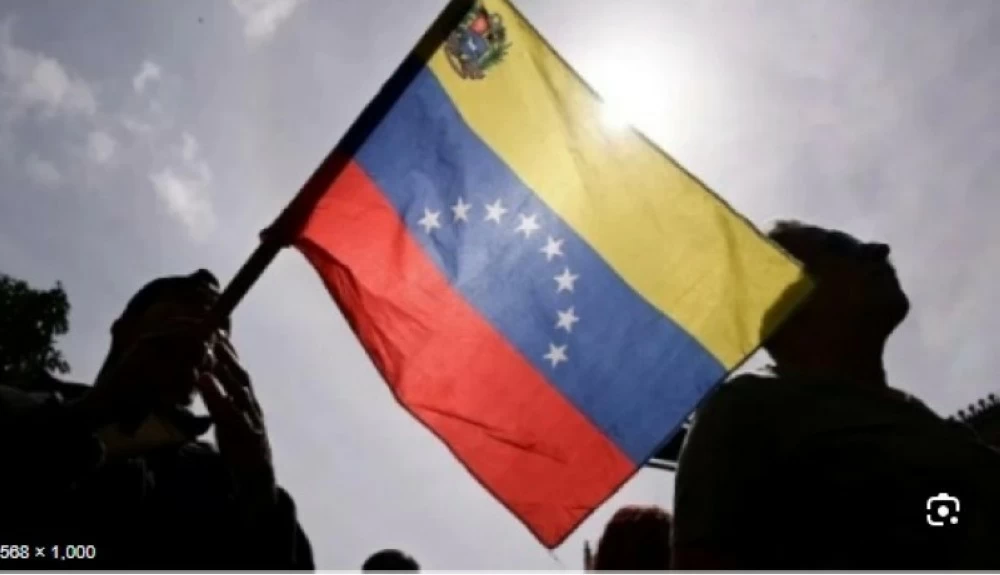
كشفت شبكة CNBC، أن الالتزامات الخارجية لفنزويلا تراوح بين 150 و170 مليار دولار، في حين لا يتجاوز الناتج المحلي الإجمالي للبلاد لعام 2025 نحو 82 مليار دولار؛ ما يجعل أي خطة سداد مباشرة شبه مستحيلة ويضع الدولة أمام ساعة الحساب الكبرى.
ووفقاً للبيانات، يفوق دين فنزويلا حجم اقتصاد البلاد، إذ يمثل 200% مقابل الناتج المحلي الإجمالي؛ ما يشكل تهديداً للاستقرار الإقليمي، ويؤثر على العملات المحلية، التضخم، والاستثمارات الأجنبية.
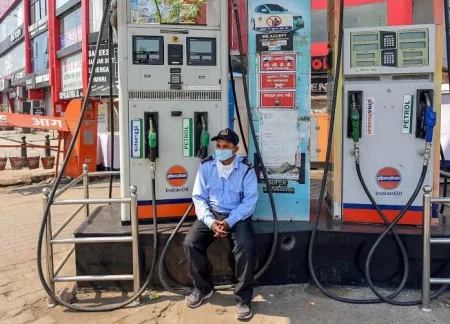
ومع استيلاء واشنطن على صادرات النفط الفنزويلي واحتجاز الموارد الاستراتيجية، أصبح النفط أداة ضغط مباشرة على الدولة وأداة لضمان سداد الديون أو إعادة هيكلة الاقتصاد وفق شروط أمريكية.
تصعيد النزاع
هذا التحرك يعزز قدرة الدائنين الأمريكيين والصناديق الانتهازية على فرض شروطهم، لكنه يزيد من احتمالية تصعيد النزاع السياسي والاقتصادي في الداخل والخارج.
وقال محللو بنك سيتي غروب: «إن الحل الوحيد لإبقاء فنزويلا واقفة هو شطب نحو 50% من قيمة الديون الحالية، وإصدار سندات جديدة لأجل 20 عاماً بفائدة 4.4% لتعويض المستثمرين».
لكن الاتفاق يحتاج إلى موافقة الصين وروسيا، وموازنة مصالح المستثمرين الدوليين، وهو ما أصبح أكثر تعقيداً بعد الضغوط الأمريكية والسيطرة على النفط.
قنبلة اقتصادية وسياسية
ديون فنزويلا لم تعد مجرد أرقام على الورق، بل قنبلة محتملة تهدد النظام السياسي، الأسواق المحلية، واستقرار العلاقات الدولية.
ومع سيطرة واشنطن على النفط واعتقال مادورو، أصبح الضغط على الدولة شديداً، ما يجعل أي حل اقتصادي مرتبطاً بالتحولات السياسية العالمية.
CNBC has revealed that Venezuela’s external obligations range between $150 and $170 billion, while the country’s GDP for 2025 is expected to be around $82 billion; making any direct repayment plan nearly impossible and placing the nation before the hour of great reckoning.
According to the data, Venezuela’s debt exceeds the size of the country’s economy, representing 200% of the GDP; which poses a threat to regional stability and affects local currencies, inflation, and foreign investments.
With Washington seizing Venezuelan oil exports and withholding strategic resources, oil has become a direct pressure tool on the state and a means to ensure debt repayment or restructure the economy under American terms.
Escalation of the Conflict
This move enhances the ability of American creditors and opportunistic funds to impose their conditions, but it increases the likelihood of escalating the political and economic conflict both domestically and internationally.
Analysts at Citigroup stated: “The only solution to keep Venezuela afloat is to write off about 50% of the current debt value and issue new bonds for 20 years at an interest rate of 4.4% to compensate investors.”
However, the agreement requires the approval of China and Russia, balancing the interests of international investors, which has become more complicated after American pressures and control over oil.
Economic and Political Bomb
Venezuela’s debt is no longer just numbers on paper, but a potential bomb threatening the political system, local markets, and the stability of international relations.
With Washington’s control over oil and the arrest of Maduro, the pressure on the state has intensified, making any economic solution linked to global political transformations.