



 حالة الطقس
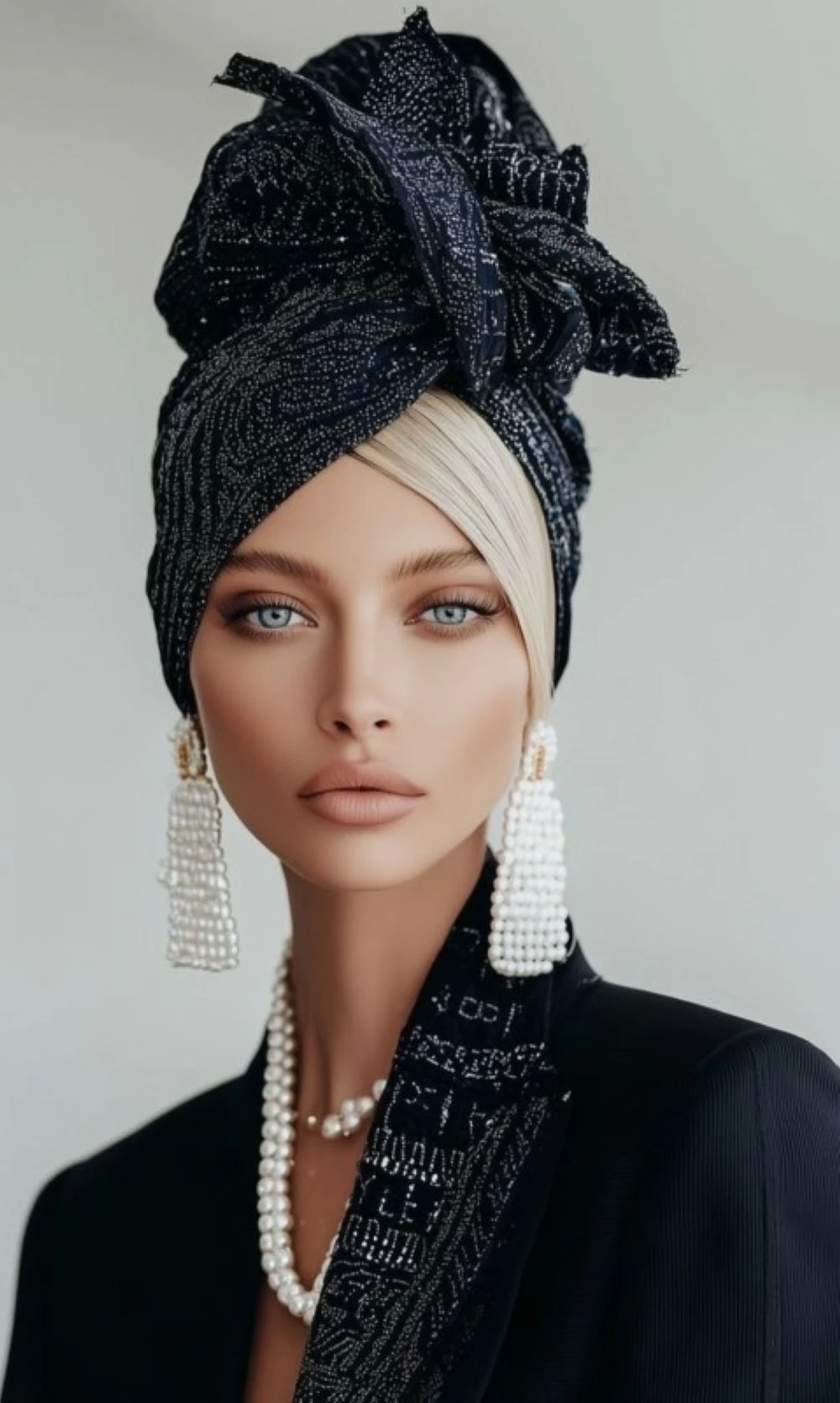
شهد التوربان خلال السنوات الأخيرة تحوّلًا لافتًا في حضوره داخل عالم الموضة، حيث انتقل من كونه غطاءً للرأس مرتبطًا بالاحتشام أو بالهوية الثقافية والدينية، إلى عنصر جمالي يُستخدم كإكسسوار يكمّل الإطلالة ويمنحها طابعًا عصريًا وأنيقًا. هذا التحوّل جاء نتيجة تداخل الثقافات وتأثير منصات الموضة العالمية التي أعادت تقديم التوربان برؤية جديدة تتجاوز وظيفته التقليدية.
وأصبح التوربان اليوم قطعة أساسية في العديد من الإطلالات، سواء اليومية أو الرسمية، حيث يُنسّق مع الفساتين، البدلات، وحتى الإطلالات الكاجوال، ليضفي لمسة فخامة أو جرأة بحسب الخامة وطريقة اللف. كما ساهم تنوع الأقمشة مثل الحرير، المخمل، والساتان، إضافة إلى الألوان والنقشات، في ترسيخ التوربان كقطعة زينة تعبّر عن الذوق الشخصي وتمنح الإطلالة توازنًا بصريًا مميزًا.
The turban has witnessed a remarkable transformation in its presence within the fashion world in recent years, as it has shifted from being a head covering associated with modesty or cultural and religious identity to a beauty element used as an accessory that complements the look and gives it a modern and elegant character. This transformation has come as a result of cultural intermingling and the influence of global fashion platforms that have reintroduced the turban with a new vision that goes beyond its traditional function.
Today, the turban has become an essential piece in many looks, whether daily or formal, as it is coordinated with dresses, suits, and even casual outfits, adding a touch of luxury or boldness depending on the fabric and the way it is wrapped. The diversity of fabrics such as silk, velvet, and satin, along with colors and patterns, has also contributed to establishing the turban as a decorative piece that expresses personal taste and provides a distinctive visual balance to the look.