








يشهد نقل الدهون الذاتية إقبالًا متزايدًا في مجال طب التجميل خلال عام 2026، باعتباره أحد الإجراءات التي تهدف إلى استعادة الحجم المفقود في الوجه أو الجسم باستخدام دهون مأخوذة من جسم المريض نفسه، مما يمنح نتائج طبيعية ويقلل من احتمالية حدوث ردود فعل تحسسية.
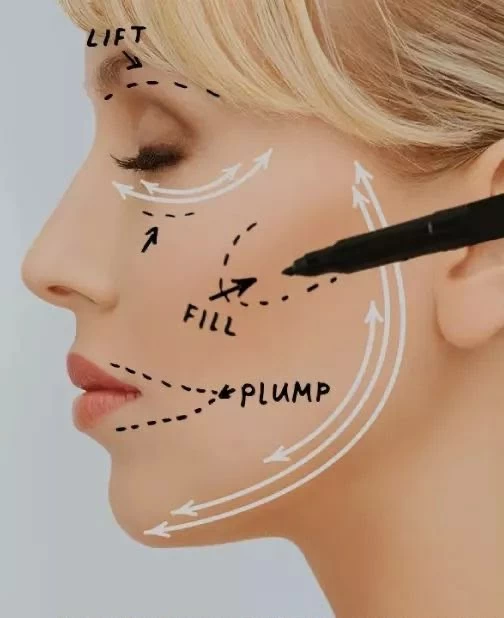
وتبدأ العملية بسحب كمية محددة من الدهون من مناطق مثل البطن أو الفخذين أو الخاصرتين باستخدام تقنية شفط الدهون، ثم تُنقى الدهون بعناية قبل إعادة حقنها في المنطقة المراد تحسينها، مثل الخدين، أو تحت العينين، أو الذقن، أو الأرداف، أو الثديين في بعض الحالات.
ويشير أطباء التجميل إلى أن نقل الدهون الذاتية أصبح بديلًا شائعًا لبعض استخدامات الفيلر، خصوصًا لدى الأشخاص الراغبين في تحسين الامتلاء مع الحفاظ على مظهر طبيعي. كما يمكن أن تسهم الخلايا الدهنية المنقولة في تحسين جودة الجلد بفضل احتوائها على خلايا ذات خصائص تجديدية.
ورغم المزايا التي يقدمها هذا الإجراء، فإن جزءًا من الدهون المحقونة قد يمتصه الجسم خلال الأشهر الأولى، لذلك قد يحتاج بعض الأشخاص إلى جلسة إضافية للوصول إلى النتيجة المطلوبة. وتعتمد نسبة بقاء الدهون على عوامل عدة، منها التقنية المستخدمة، وخبرة الطبيب، وطبيعة جسم المريض.
ويؤكد المختصون أن نجاح نقل الدهون الذاتية يعتمد على اختيار الحالة المناسبة، وإجراء العملية لدى طبيب متخصص، إلى جانب الالتزام بتعليمات ما بعد الإجراء، مثل تجنب الضغط على المنطقة المعالجة والامتناع عن الأنشطة المجهدة خلال فترة التعافي.
The transfer of autologous fat is witnessing increasing demand in the field of cosmetic surgery in 2026, as it is one of the procedures aimed at restoring lost volume in the face or body using fat taken from the patient’s own body, providing natural results and reducing the likelihood of allergic reactions.
The process begins by extracting a specific amount of fat from areas such as the abdomen, thighs, or flanks using liposuction techniques, then the fat is carefully purified before being re-injected into the area to be enhanced, such as the cheeks, under the eyes, the chin, the buttocks, or the breasts in some cases.
Cosmetic surgeons indicate that autologous fat transfer has become a popular alternative for some uses of fillers, especially among individuals looking to improve volume while maintaining a natural appearance. Additionally, the transferred fat cells can contribute to improving skin quality due to their regenerative properties.
Despite the advantages this procedure offers, a portion of the injected fat may be absorbed by the body during the first few months, so some individuals may require an additional session to achieve the desired result. The percentage of fat retention depends on several factors, including the technique used, the doctor’s experience, and the patient’s body type.
Experts confirm that the success of autologous fat transfer relies on selecting the appropriate case, performing the procedure with a specialized doctor, and adhering to post-procedure instructions, such as avoiding pressure on the treated area and refraining from strenuous activities during the recovery period.