









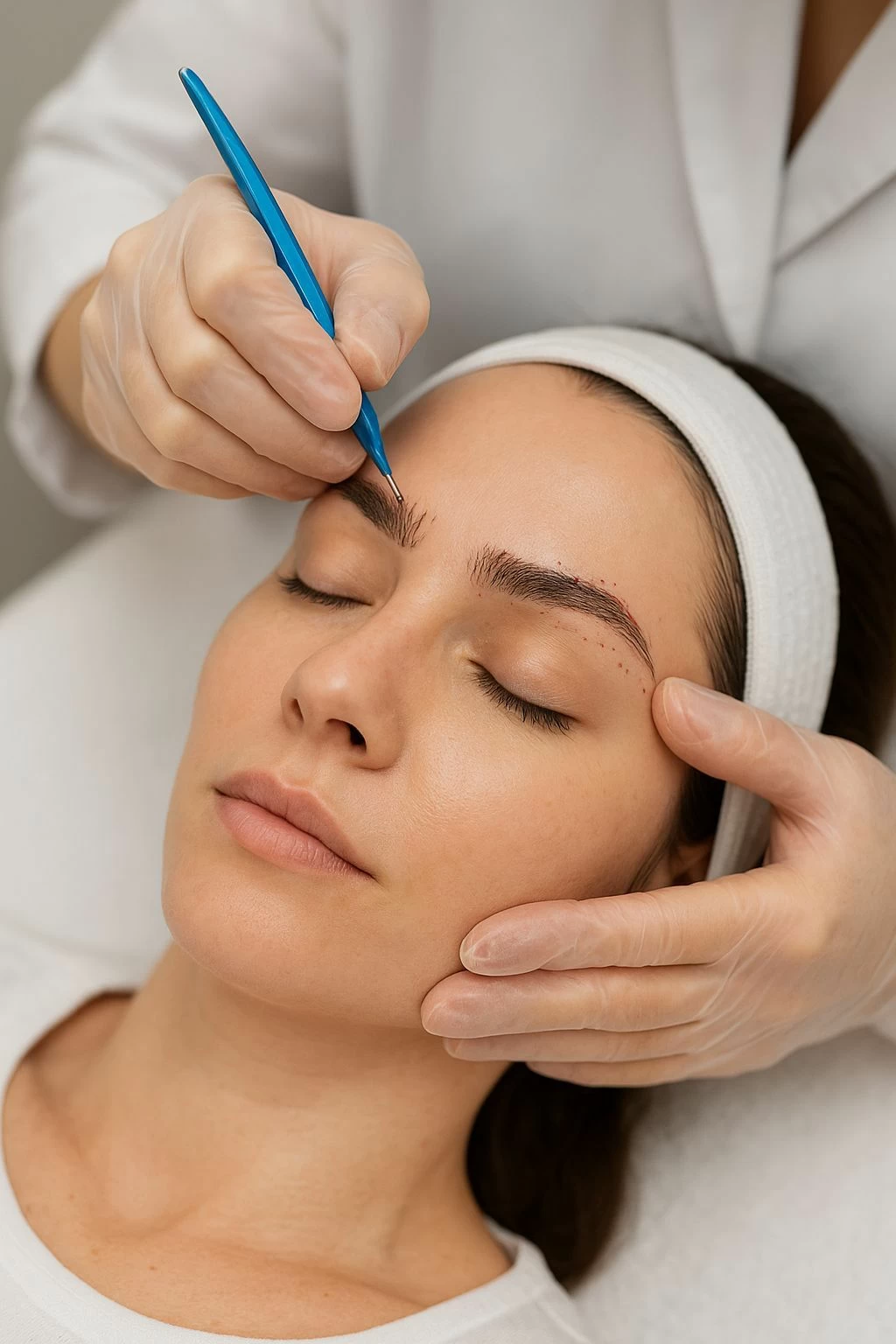
أصبحت زراعة الحواجب من الإجراءات التجميلية الشائعة خلال السنوات الأخيرة، خصوصاً بين الأشخاص الذين يعانون من فراغات واضحة أو فقدان شعر الحواجب نتيجة عوامل وراثية أو صحية أو بسبب الإفراط في إزالة الشعر. ويعتمد الإجراء على نقل بصيلات شعر، غالباً من فروة الرأس، إلى منطقة الحاجبين للحصول على مظهر أكثر كثافة وامتلاءً.
ومن أبرز إيجابيات زراعة الحواجب أنها توفر نتائج طويلة الأمد مقارنة بالحلول المؤقتة مثل المكياج أو التاتو التجميلي، كما تتيح إمكانية تصميم شكل الحاجب بما يتناسب مع ملامح الوجه. كذلك ينمو الشعر المزروع بشكل طبيعي، ما يمنح مظهراً أكثر واقعية عند نجاح العملية.
في المقابل، لا تخلو زراعة الحواجب من بعض السلبيات والتحديات. فالشعر المزروع غالباً ما يحتفظ بخصائص الشعر المأخوذ من فروة الرأس، ما يعني أنه قد ينمو بسرعة أكبر من شعر الحاجب الطبيعي ويحتاج إلى تشذيب منتظم. كما أن النتائج النهائية قد تستغرق أشهر عدة للظهور بشكل كامل.
ويشير الأطباء إلى أن نجاح العملية يعتمد بدرجة كبيرة على خبرة الجراح، إذ إن تحديد اتجاه نمو الشعيرات وزاوية زراعتها يعد من أهم العوامل المؤثرة على المظهر النهائي. وفي بعض الحالات قد يحتاج المريض إلى جلسة إضافية لتحقيق الكثافة المطلوبة.
وتشمل الآثار الجانبية المحتملة التورم المؤقت أو الاحمرار أو ظهور قشور خفيفة خلال فترة التعافي، بينما تبقى المضاعفات الخطيرة نادرة عند إجراء العملية لدى مختصين مؤهلين.
Eyebrow transplantation has become one of the common cosmetic procedures in recent years, especially among individuals who suffer from noticeable gaps or eyebrow hair loss due to genetic or health factors or excessive hair removal. The procedure involves transferring hair follicles, often from the scalp, to the eyebrow area to achieve a denser and fuller appearance.
One of the most notable advantages of eyebrow transplantation is that it provides long-lasting results compared to temporary solutions like makeup or cosmetic tattoos, and it allows for designing the shape of the eyebrow to match the facial features. Additionally, the transplanted hair grows naturally, giving a more realistic appearance when the procedure is successful.
On the other hand, eyebrow transplantation is not without its drawbacks and challenges. The transplanted hair often retains the characteristics of the hair taken from the scalp, meaning it may grow faster than natural eyebrow hair and requires regular trimming. Moreover, the final results may take several months to fully appear.
Doctors indicate that the success of the procedure largely depends on the surgeon’s experience, as determining the direction of hair growth and the angle of implantation is one of the most important factors affecting the final appearance. In some cases, the patient may require an additional session to achieve the desired density.
Potential side effects include temporary swelling, redness, or mild scabbing during the recovery period, while serious complications remain rare when the procedure is performed by qualified specialists.