









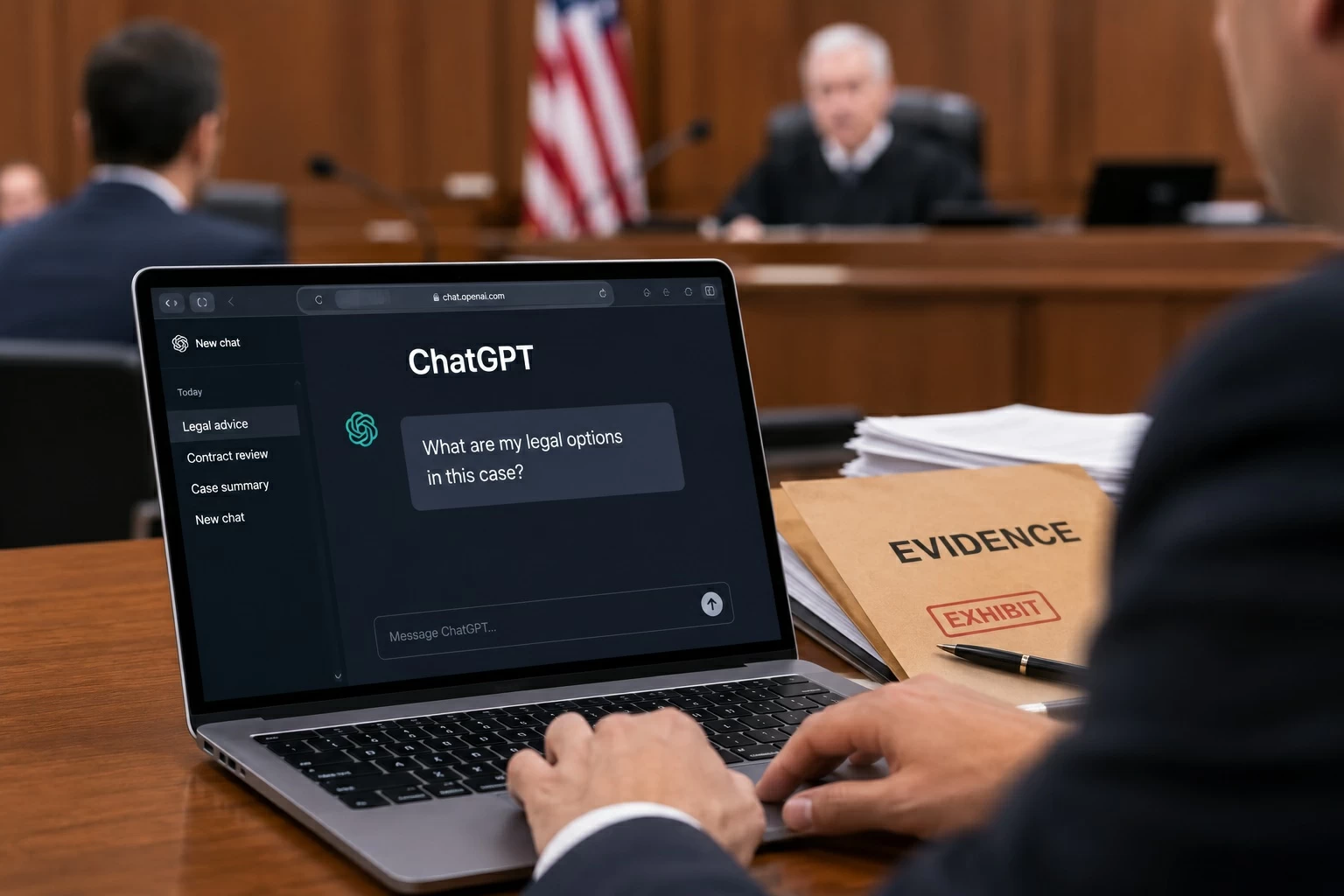
ما كان يظنه كثير من المستخدمين حديثًا خاصًا مع روبوت للذكاء الاصطناعي، بدأ يجد طريقه إلى قاعات المحاكم في الولايات المتحدة، مع تزايد الاستناد إلى سجلات هذه المحادثات ضمن قضايا جنائية ومدنية.
ورصدت صحيفة «واشنطن بوست» 12 قضية خلال العامين الماضيين استُخدمت فيها محادثات أجراها أشخاص مع روبوتات الذكاء الاصطناعي كجزء من الأدلة، في تطور يسلط الضوء على أسئلة قانونية متزايدة بشأن حدود الخصوصية في عصر المحادثات الرقمية.
وبحسب التقرير، يستخدم ملايين الأشخاص روبوتات المحادثة للحديث عن موضوعات شخصية وحساسة، من العمل والصحة والعلاقات إلى المشكلات القانونية، إلا أن هذه الحوارات لا تحظى في الوقت الحالي بحماية قانونية خاصة كتلك التي توفرها، على سبيل المثال، سرية العلاقة بين المحامي وموكله.
وقد تصل سجلات المحادثات إلى جهات التحقيق والمحاكم بطرق مختلفة، من بينها تفتيش الهواتف بعد موافقة أصحابها، أو بموجب أوامر تفتيش، إضافة إلى إجراءات جمع الأدلة في القضايا المدنية. وفي بعض الحالات، قد تبادر شركات الذكاء الاصطناعي إلى إبلاغ السلطات إذا رصدت تهديدًا وشيكًا وموثوقًا بإيذاء أشخاص آخرين.
وفي إحدى القضايا التي أوردها التقرير، وافق شاب على تفتيش هاتفه بعد الاشتباه في تورطه بإتلاف سيارات، فعثر المحققون على محادثات مع «ChatGPT» تضمنت أسئلة حول إمكانية اكتشاف مسؤوليته عن الواقعة. وأُدين الشاب لاحقًا بتهمة إتلاف الممتلكات، وصدر بحقه حكم بالمراقبة القضائية لمدة خمس سنوات.
وفي قضية أخرى، حاول مسؤول مالي منع الادعاء من الوصول إلى محادثاته مع روبوت «Claude»، بعدما استخدمه لمناقشة إستراتيجيات دفاع محتملة خلال تحقيق جنائي. إلا أن قاضيًا اتحاديًا رفض اعتبار تلك المحادثات مشمولة بسرية العلاقة بين المحامي وموكله، مؤكدًا أن روبوت الذكاء الاصطناعي لا يتمتع بصفة المحامي.
وأشار التقرير كذلك إلى ارتفاع سريع في طلبات الجهات الحكومية وأجهزة إنفاذ القانون الحصول على بيانات مستخدمي «OpenAI»، فيما حذر خبراء قانونيون من أن طبيعة محادثات الذكاء الاصطناعي، بما تتضمنه من تفاصيل شخصية وأفكار مباشرة، قد تجعلها أكثر قدرة على كشف نيات المستخدم وتفكيره من سجل عمليات البحث التقليدي.
ومع اتساع الاعتماد على أدوات الذكاء الاصطناعي في الحياة اليومية تتجه هذه الوقائع إلى فتح نقاش قانوني أوسع حول خصوصية تلك المحادثات، وما إذا كانت تحتاج مستقبلًا إلى حماية قانونية خاصة، لاسيما مع تحول روبوتات المحادثة إلى مساحة يلجأ إليها المستخدمون للحديث عن أكثر جوانب حياتهم حساسية.
What many users thought was a private conversation with an AI robot is beginning to find its way into courtrooms in the United States, as reliance on records of these conversations increases in criminal and civil cases.
The Washington Post tracked 12 cases over the past two years in which conversations conducted by individuals with AI robots were used as part of the evidence, in a development that highlights growing legal questions about the limits of privacy in the age of digital conversations.
According to the report, millions of people use chatbots to discuss personal and sensitive topics, from work and health to relationships and legal issues, yet these dialogues currently do not enjoy the same legal protections as those provided, for example, by the confidentiality of the attorney-client relationship.
Records of conversations can reach investigators and courts in various ways, including searching phones with the owners’ consent or under search warrants, in addition to evidence-gathering procedures in civil cases. In some instances, AI companies may proactively notify authorities if they detect an imminent and credible threat to harm others.
In one case reported, a young man agreed to have his phone searched after being suspected of vandalizing cars, and investigators found conversations with “ChatGPT” that included questions about the possibility of discovering his responsibility for the incident. The young man was later convicted of property damage and sentenced to five years of probation.
In another case, a financial official attempted to prevent the prosecution from accessing his conversations with the “Claude” chatbot after using it to discuss potential defense strategies during a criminal investigation. However, a federal judge ruled that those conversations were not protected by the attorney-client privilege, asserting that the AI robot does not possess the status of an attorney.
The report also noted a rapid increase in requests from government agencies and law enforcement for data on “OpenAI” users, while legal experts warned that the nature of AI conversations, which include personal details and direct thoughts, may make them more capable of revealing the user’s intentions and thoughts than traditional search records.
As reliance on AI tools in daily life expands, these incidents are likely to open a broader legal discussion about the privacy of such conversations and whether they will require special legal protection in the future, especially as chatbots become a space where users turn to discuss the most sensitive aspects of their lives.