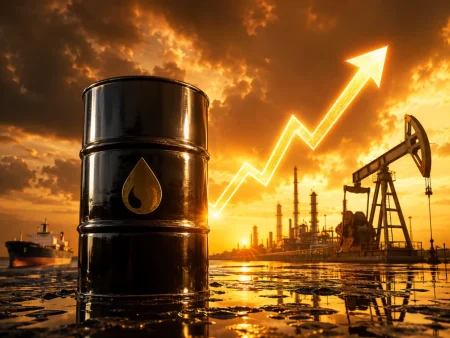








توقّعت وكالة الطاقة الدولية أن تتعافى سوق النفط تدريجياً من آثار إغلاق مضيق هرمز الناجم عن الصراع في الشرق الأوسط، قبل أن تحقق السوق فائضاً كبيراً في العام القادم.
وذكرت الوكالة في تقرير أصدرته، اليوم (الأربعاء)، أن الاتفاق الذي توصلت إليه واشنطن وطهران لإنهاء الحرب بما يتضمنه من إعادة فتح مضيق هرمز ورفع الحصار الأمريكي يضع حدّاً لأكبر انقطاع في إمدادات النفط في التاريخ، الذي أدى إلى توقف إنتاج أكثر من 14 مليون برميل يومياً في الشرق الأوسط.
وأوضحت الوكالة أنه في حال صمود الاتفاق، فمن المتوقع أن تشهد الصادرات والإنتاج من الخليج انتعاشاً تدريجياً، لا سيما أن صادرات النفط الإيرانية ستستأنف بالكامل بمجرد رفع الحصار الأمريكي.
وتشير تقديرات الوكالة إلى ارتفاع المعروض العالمي من النفط في العام القادم بمقدار 8 ملايين برميل يومياً، بينما يرتفع الطلب بنحو مليوني برميل فقط، ما يعني أن السوق ستشهد فائضاً كبيراً، ومن شأن ذلك أن يتيح فرصة لإعادة ملء المخزونات المستنفدة أو بناء احتياطيات استراتيجية جديدة، في ظل مراجعة الدول لاستراتيجياتها وسياساتها في قطاع الطاقة استجابةً للأزمة.
The International Energy Agency has predicted that the oil market will gradually recover from the effects of the closure of the Strait of Hormuz due to the conflict in the Middle East, before the market achieves a significant surplus next year.
The agency mentioned in a report it issued today (Wednesday) that the agreement reached between Washington and Tehran to end the war, which includes reopening the Strait of Hormuz and lifting the American blockade, puts an end to the largest disruption in oil supplies in history, which led to the halt of production of more than 14 million barrels per day in the Middle East.
The agency clarified that if the agreement holds, exports and production from the Gulf are expected to see a gradual recovery, especially since Iranian oil exports will resume fully once the American blockade is lifted.
The agency’s estimates indicate an increase in global oil supply next year by 8 million barrels per day, while demand rises by only about 2 million barrels, meaning that the market will experience a significant surplus. This could provide an opportunity to replenish depleted stocks or build new strategic reserves, as countries review their strategies and policies in the energy sector in response to the crisis.