
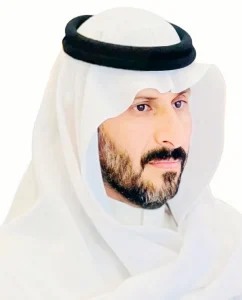








أكد متخصصون عقاريون لـ«عكاظ»، أن الرياض تشهد تحوّلاً واسعاً في ترويض الأسعار العقارية، بعد سنوات ارتبط فيها السكن بارتفاعات باهظة وطول فترات الانتظار للحصول على أرض أو قرض أو اكتمال خدمات المخططات، إذ بات التملك اليوم أكثر قرباً لفئات الشباب والأسر حديثة التكوين، داخل بيئات عمرانية متكاملة الخدمات وفي مواقع كانت تُعد سابقاً مرتفعة الكلفة وصعبة المنال.
وأوضحوا، أن هذا التحول جاء مدفوعاً بحزمة من المعالجات التنظيمية والتنموية، من أبرزها فرض رسوم الأراضي البيضاء والشاغرة، وطرح أراضٍ سكنية داخل النطاق العمراني لمن لم يسبق لهم التملك بأسعار تبدأ من 1,500 ريال للمتر في الرياض، إلى جانب فتح مساحات عمرانية جديدة مدعومة بالبنية التحتية والخدمات، بما أسهم في رفع المعروض العقاري وضبط التوازنات السعرية وتحويل الأراضي الخام إلى أحياء قابلة للحياة والسكن.
وبينوا، أنه مع هذا التحول بدأ النموذج السعودي في معالجة أزمة السكن يلفت الانتباه كوصفة قابلة للتطبيق في دول أخرى تعاني فجوات سكنية وارتفاعات حادة في الأسعار، خصوصاً بعد أن اختصر سنوات الانتظار الطويلة، ورفع فرص التملك في سن مبكرة، ضمن بيئة عمرانية أكثر جودة واستدامة.
توازن عقاري
أكد الخبير العقاري خالد شاكر المبيض لـ«عكاظ»، أن التوازن العقاري في السعودية يمثل نموذجاً متقدماً لمعالجة أزمة السكن عبر زيادة المعروض وتوفير منتجات عقارية بأسعار عادلة، مشيراً إلى أن توفير عقارات بسعر يقارب 1,500 ريال للمتر يسهم في رفع فرص التملك وتحقيق توازن حقيقي بين العرض والطلب.
وأوضح، أن هذه المعالجات ستحد من الاكتناز والمضاربات، وتدفع السوق نحو التطوير الفعلي، ما ينعكس إيجاباً على استقرار الأسعار وتحسين جودة المنتجات العقارية.
وأضاف، أن أثر التوازن العقاري يمتد للاقتصاد ككل من خلال تخفيف أعباء السكن على الأسر، ودعم القوة الشرائية، وتحفيز الاستثمار، وتعزيز الاستقرار الاقتصادي بما يتماشى مع مستهدفات رؤية السعودية 2030.
إصلاحات السوق
وفي أحدث إصلاحات السوق، أعلنت وزارة البلديات والإسكان أخيراً، اعتماد اللائحة التنفيذية للرسوم السنوية على العقارات الشاغرة، ووفقاً للائحة سيتم بدء تحصيل رسوم العقارات الشاغرة بعد 6 أشهر من الشغور، بما يصل إلى 5% سنوياً من قيمة المبنى عند انطباق معايير الشغور، كما أن تحديد نطاق رسوم العقارات الشاغرة، سيكون وفق مؤشرات العرض والطلب والأسعار.
وجاءت أبرز القرارات والإجراءات التي استهدفت إعادة ضبط السوق، بإطلاق حزمة لتحقيق التوازن العقاري في الرياض، تضمنت رفع الإيقاف عن مساحات واسعة من الأراضي، وتخصيص ما بين 10 إلى 40 ألف قطعة سكنية سنوياً بأسعار لا تتجاوز 1,500 ريال للمتر، مع ضوابط للحد من المضاربة.
تيسير التملك
المهتم بالشأن العقاري قاسم الفالح، قال: «برنامج التوازن العقاري في الرياض عالج تحدياً كبيراً أمام المواطنين المستأجرين وأصحاب الأسر الكبيرة والمقبلين على الزواج، بعد أن أتاح فرص التملك داخل النطاق العمراني وفي مواقع مميزة بسعر يصل إلى 1,500 ريال للمتر».
وأضاف: «النموذج العقاري السعودي أسهم في تيسير التملك للشباب مقارنة بسنوات سابقة، كانت فيها المنح والقروض تستغرق وقتاً طويلاً، فيما بات المواطن اليوم قادراً على امتلاك مسكن في سن مبكرة وبمهل مريحة».
وأكد الفالح، أن ما تحقق يعكس حرص ولي العهد رئيس مجلس الوزراء الأمير محمد بن سلمان، على معالجة ملف السكن وخفض الأسعار من مستويات وصلت إلى 12 و13 ألف ريال للمتر، إلى أسعار أكثر معقولية، وذكر أن التجربة السعودية أصبحت محل اهتمام دول أخرى.
ونصح الراغبين في الاستثمار من أصحاب المبالغ اليسيرة، بالتوجه إلى ضواحي الرياض، مؤكداً أن مشاريع التوازن داخل المدن الكبرى انعكست إيجاباً على الأطراف، وجعلتها ذات مستقبل واعد، لافتاً إلى أن مستثمرين عقاريين من دول خليجية بدأوا يتجهون للاستثمار في السوق السعودي.
نموذج عملي
قال الخبير العقاري بندر الضحيك: «ما تشهده الرياض اليوم يمثل نموذجاً عملياً في معالجة أزمة السكن، بعد أن انتقلت المعالجة من مرحلة التنظير إلى التنفيذ الفعلي على الأرض».
وأوضح، أن مشاريع تطوير البنية التحتية داخل مواقع حيوية بالمدينة تعكس توجهاً فعلياً نحو ضبط التوازنات السعرية عبر رفع جاهزية الأراضي القابلة للتطوير والسكن، بدلاً من الاكتفاء بضخ مخططات بعيدة تفتقر للخدمات.
وأضاف، أن أزمة العقار لم تكن مرتبطة بندرة الأراضي بقدر ارتباطها بندرة الأراضي المطورة فعلياً، وهو ما تعمل عليه الدولة اليوم، من خلال شبكات الطرق والكهرباء والصرف والاتصالات، بما يحوّل الأراضي الخام إلى بيئات عمرانية جاهزة للحياة والاستثمار.
وأشار الضحيك إلى أن القرارات الحكومية أعادت تنظيم العلاقة بين العرض والطلب، وساهمت في خلق توازنات سعرية أكثر استدامة، مؤكداً أن الرياض باتت تقدم نموذجاً مختلفاً في إدارة الملف العقاري، يعتمد على التخطيط طويل المدى وتسريع التنفيذ ورفع جودة الحياة بما يعزز فرص التملك.
شملت الإجراءات تعديل رسوم الأراضي البيضاء وفرض رسوم على العقارات الشاغرة داخل النطاق العمراني، إضافة إلى تمديد برنامج الرهن الميسر لثلاث سنوات، بما يتيح تمويلاً يصل إلى 85% من قيمة المسكن، إضافة إلى تعديل شروط الدعم السكني عبر خفض سن الاستحقاق إلى 20 عاماً، وإلغاء بعض القيود المرتبطة بالمطلقات والأرامل.
وفي جانب التنظيم، أُقرت ضوابط جديدة للعلاقة بين المؤجر والمستأجر في الرياض، تضمنت تجميد زيادات الإيجارات السكنية والتجارية لمدة خمس سنوات، مع إلزامية توثيق العقود عبر شبكة «إيجار»، كما تم تحديث نظام تملك غير السعوديين للعقار ضمن نطاقات جغرافية محددة.
وأطلقت الهيئة الملكية لمدينة الرياض منصة «التوازن العقاري» لاستقبال طلبات المواطنين الراغبين في الحصول على أراضٍ سكنية، فيما دشّنت الهيئة العامة للعقار خدمة «الترخيص الفوري» لمشاريع «البيع على الخارطة»، بعد تقليص إجراءات ومتطلبات الترخيص بشكل كبير.
ضوابط جديدة
Real estate specialists confirmed to “Okaz” that Riyadh is witnessing a wide transformation in taming real estate prices, after years in which housing was associated with exorbitant increases and long waiting periods to obtain land, loans, or complete services for developments. Today, ownership has become more accessible for young people and newly formed families, within integrated urban environments and in locations that were previously considered high-cost and difficult to access.
They explained that this transformation was driven by a package of regulatory and developmental measures, the most notable of which is the imposition of fees on vacant and undeveloped land, and the offering of residential land within urban boundaries for those who have never owned before, with prices starting from 1,500 riyals per square meter in Riyadh. Additionally, new urban areas have been opened, supported by infrastructure and services, which contributed to increasing the real estate supply, stabilizing price balances, and transforming raw land into livable and residential neighborhoods.
They indicated that with this transformation, the Saudi model for addressing the housing crisis is attracting attention as an applicable recipe in other countries suffering from housing gaps and sharp price increases, especially after it shortened long waiting years and raised ownership opportunities at an early age, within a more quality and sustainable urban environment.
Real Estate Balance
Real estate expert Khalid Shakir Al-Mubayyid confirmed to “Okaz” that the real estate balance in Saudi Arabia represents an advanced model for addressing the housing crisis by increasing supply and providing real estate products at fair prices, pointing out that providing properties at a price close to 1,500 riyals per square meter contributes to raising ownership opportunities and achieving a real balance between supply and demand.
He clarified that these measures will limit hoarding and speculation, pushing the market towards actual development, which positively reflects on price stability and improves the quality of real estate products.
He added that the impact of real estate balance extends to the economy as a whole by alleviating housing burdens on families, supporting purchasing power, stimulating investment, and enhancing economic stability in line with the objectives of Saudi Vision 2030.
Market Reforms
In the latest market reforms, the Ministry of Municipalities and Housing recently announced the approval of the executive regulation for annual fees on vacant properties. According to the regulation, fees for vacant properties will start being collected after six months of vacancy, reaching up to 5% annually of the building’s value when vacancy criteria are met. The scope of fees for vacant properties will be determined according to supply, demand, and price indicators.
The most notable decisions and measures aimed at recalibrating the market included launching a package to achieve real estate balance in Riyadh, which involved lifting the suspension on large areas of land and allocating between 10,000 to 40,000 residential plots annually at prices not exceeding 1,500 riyals per square meter, with controls to limit speculation.
Facilitating Ownership
Real estate enthusiast Qasim Al-Falih stated, “The real estate balance program in Riyadh has addressed a significant challenge for renting citizens, large families, and those about to marry, after it provided ownership opportunities within urban boundaries and in prime locations at a price reaching 1,500 riyals per square meter.”
He added, “The Saudi real estate model has facilitated ownership for young people compared to previous years, where grants and loans took a long time, while today citizens can own a home at an early age with comfortable terms.”
Al-Falih confirmed that what has been achieved reflects the commitment of Crown Prince and Prime Minister Mohammed bin Salman to address the housing file and reduce prices from levels reaching 12,000 and 13,000 riyals per square meter to more reasonable prices, noting that the Saudi experience has become a point of interest for other countries.
He advised those wishing to invest with modest amounts to head to the outskirts of Riyadh, emphasizing that balance projects within major cities have positively reflected on the outskirts, making them promising for the future, pointing out that real estate investors from Gulf countries have started to turn towards investing in the Saudi market.
Practical Model
Real estate expert Bandar Al-Duhaik stated, “What Riyadh is witnessing today represents a practical model in addressing the housing crisis, after the treatment has moved from the theoretical stage to actual implementation on the ground.”
He clarified that infrastructure development projects within vital locations in the city reflect a real direction towards stabilizing price balances by increasing the readiness of land suitable for development and housing, instead of merely pumping distant plans lacking services.
He added that the real estate crisis was not linked to the scarcity of land as much as it was linked to the scarcity of actually developed land, which the state is currently working on through road, electricity, sewage, and communication networks, transforming raw land into urban environments ready for living and investment.
Al-Duhaik pointed out that government decisions have reorganized the relationship between supply and demand and contributed to creating more sustainable price balances, confirming that Riyadh is now offering a different model in managing the real estate file, based on long-term planning, accelerating implementation, and enhancing quality of life to boost ownership opportunities.
The measures included amending fees on vacant land and imposing fees on vacant properties within urban boundaries, in addition to extending the easy mortgage program for three years, allowing financing of up to 85% of the housing value, as well as amending housing support conditions by lowering the eligibility age to 20 years and canceling some restrictions related to divorced and widowed individuals.
In terms of regulation, new controls were approved for the relationship between landlords and tenants in Riyadh, which included freezing residential and commercial rent increases for five years, with mandatory documentation of contracts through the “Ejjar” network. The system for non-Saudis to own property within specific geographical areas was also updated.
The Royal Commission for Riyadh City launched the “Real Estate Balance” platform to receive applications from citizens wishing to obtain residential land, while the General Authority for Real Estate launched the “Instant Licensing” service for “off-plan sale” projects, after significantly reducing licensing procedures and requirements.
New Controls