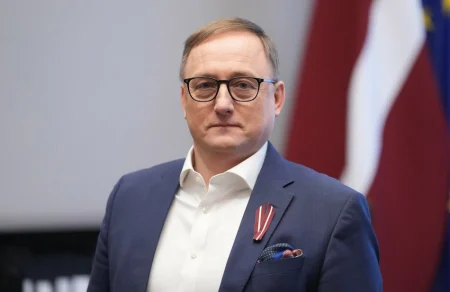









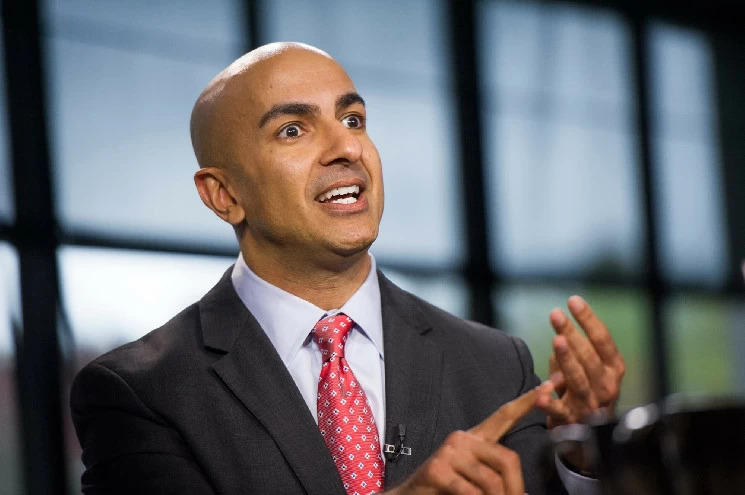
أعلن رئيس مجلس الاحتياطي الاتحادي (البنك المركزي الأمريكي) في منيابوليس نيل كاشكاري، اليوم، أنه كلما طال أمد حرب إيران زادت مخاطر ارتفاع التضخم والأضرار الاقتصادية.
سيناريوهات سيئة
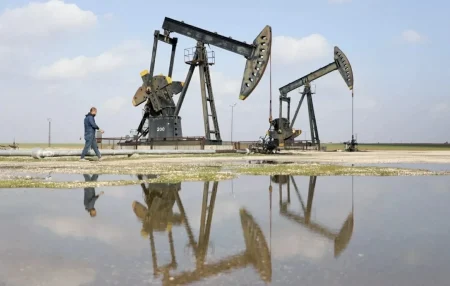
وقال كاشكاري في مقابلة مع برنامج (واجه الأمة) الذي تبثه شبكة (سي.بي.إس) التلفزيونية: «أركز جداً على الحرب في إيران وتأثيرها على التضخم والطلب الاقتصادي في ظل استمرار إغلاق مضيق هرمز الحيوي، الذي كانت تمر عبره 20% من إمدادات النفط والغاز العالمية قبل الحرب».
وأضاف: «لا أشعر بالارتياح للإشارة إلى احتمال خفض سعر الفائدة، فمثلما تعلمون، قد نواجه سيناريوهات أسوأ، وقد نضطر إلى اتخاذ مسار معاكس».
ونظراً للمخاطر والغموض المحيط بجميع جوانب الحرب، قال كاشكاري إن البنك المركزي الأمريكي قد يضطر إلى رفع أسعار الفائدة.
معارضة التوجيه
وانضم إلى كاشكاري في معارضة هذا التوجيه رؤساء فروع الاحتياطي الاتحادي في كليفلاند ودالاس.
وفي المقابل، عارض مسؤول آخر في الاحتياطي الاتحادي وهو ستيفن ميران، هذا التوجيه مؤيداً خفض سعر الفائدة.
ودعم المعارضون الثلاثة هؤلاء الإبقاء على أسعار الفائدة ثابتة، وقالوا في تعليقات لاحقة إن رفع أسعار الفائدة أو خفضها مرهون بتأثير الحرب على الاقتصاد.
The President of the Federal Reserve Bank of Minneapolis, Neel Kashkari, announced today that the longer the Iran war lasts, the greater the risks of rising inflation and economic damage.
Bad Scenarios
Kashkari said in an interview with the CBS program “Face the Nation”: “I am very focused on the war in Iran and its impact on inflation and economic demand, especially with the continued closure of the vital Strait of Hormuz, through which 20% of global oil and gas supplies passed before the war.”
He added: “I do not feel comfortable indicating the possibility of lowering interest rates, as you know, we may face worse scenarios, and we may have to take a contrary path.”
Given the risks and uncertainties surrounding all aspects of the war, Kashkari stated that the U.S. central bank may be forced to raise interest rates.
Opposition to Guidance
Kashkari was joined in opposing this guidance by the presidents of the Federal Reserve branches in Cleveland and Dallas.
In contrast, another Federal Reserve official, Stephen Miran, opposed this guidance, supporting a reduction in interest rates.
The three opposing officials supported keeping interest rates steady, stating in subsequent comments that raising or lowering interest rates depends on the impact of the war on the economy.