








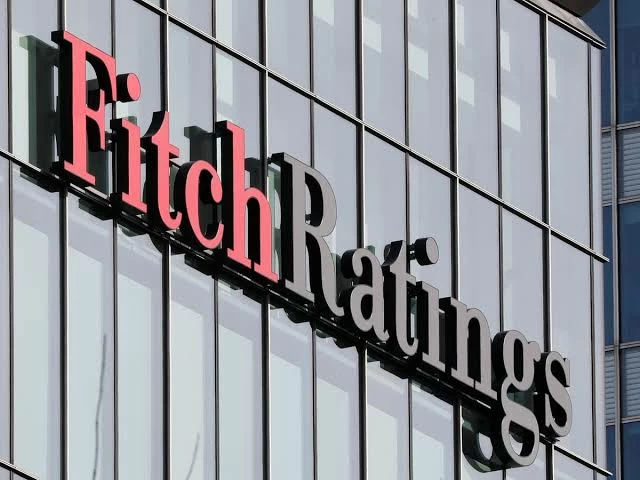
كشفت وكالة «فيتش» للتصنيف الائتماني أن السوق المالية السعودية ظلت الأكبر في منطقة الخليج خلال سبتمبر 2026، مستحوذة على نحو 63% من إجمالي القيمة السوقية لأسواق الأسهم الخليجية، تلتها سوق أبوظبي للأوراق المالية بحصة 18%، ثم سوق دبي المالي بنحو 7%.
وصنفت «فيتش»، في تقرير لها، 24 جهة مدرجة في السوق السعودية، تمثل نحو 84% من قيمتها السوقية كما في أغسطس 2026، مشيرة إلى أن جميع هذه الجهات تتمتع بتصنيفات ضمن الدرجة الاستثمارية، فيما تتمتع 96% منها بنظرة مستقبلية مستقرة.
المملكة تمتلك سوقاً أكثر تطوراً لأدوات الدين
وأوضحت أن شركة أرامكو السعودية تمثل نحو 65% من القيمة السوقية للسوق السعودية كما في أغسطس 2026، في مؤشر على ارتفاع مستويات التركّز في أسواق المنطقة، فيما تمثل 5 جهات نحو 60% من القيمة السوقية لسوق أبوظبي.
وذكرت أن السوق السعودية تمتلك كذلك سوقاً أكثر تطوراً لأدوات الدين المقومة بالعملة المحلية مقارنة بمعظم أسواق الخليج الأخرى، التي لا تزال أسواق الدين بالعملة المحلية فيها ناشئة مع إصدارات محدودة حتى الآن.
تحسين سيولة السوق
وأضافت أن إصدارات الصكوك السيادية المقومة بالريال تعكس جهود الحكومة السعودية لتطوير منحنى عائد محلي وتحسين سيولة السوق وتقليل الاعتماد على التمويل بالعملات الأجنبية، مبينة أن جميع أدوات الدين المقومة بالريال والمدرجة تأتي في صورة صكوك بهدف جذب البنوك الإسلامية التي تعد من المستثمرين الرئيسيين.
وتوقعت «فيتش» أن يسهم إدراج الصكوك الحكومية السعودية المقومة بالريال في مؤشر جي بي مورغان لسندات الأسواق الناشئة اعتباراً من عام 2027 في جذب المزيد من الاستثمارات الأجنبية.
ملكية المستثمرين الأجانب
وأشارت إلى أن حصة المستثمرين الأجانب من إصدارات الدين السيادي السعودي في السوق الأولية ارتفعت إلى 15% خلال النصف الأول من 2026، مقارنة بـ 8% في الربع الأول و12% خلال عام 2025.
وفي سوق الأسهم، ارتفعت ملكية المستثمرين الأجانب من الأسهم الحرة في السوق الرئيسية إلى 12.7% بنهاية أغسطس 2026، مقابل 12.4% بنهاية عام 2025، فيما قالت فيتش إن إلغاء السعودية إطار المستثمر الأجنبي المؤهل اعتباراً من فبراير 2026 من شأنه توسيع قاعدة المشاركة في السوق.
أسواق الدين الخليجية
وعلى مستوى أسواق الدين الخليجية، قالت فيتش:«إن معظم الأسهم الخليجية مدرجة في الأسواق المحلية، في حين تتركز إدراجات أدوات الدين الخليجية، لا سيما الصكوك والسندات بالعملات الأجنبية، في الأسواق الخارجية».
وبينت أن بورصة لندن تستحوذ على إدراج أكثر من نصف الصكوك العالمية المقومة بالدولار بنهاية النصف الأول من 2026، يأتي 95% منها من الشرق الأوسط، وبشكل رئيسي من دول مجلس التعاون الخليجي.
وفي الإمارات، أشارت فيتش إلى أن سوقي أبوظبي ودبي يركزان بصورة رئيسية على الأسهم، بينما تتركز إدراجات أدوات الدين في ناسداك دبي.
4 تريليونات دولار القيمة السوقية لأسهم الخليج
وذكرت وكالة «فيتش» أن أسواق الأوراق المالية في دول الخليج تكتسب أهمية متزايدة كقنوات لجمع رؤوس الأموال، إلى جانب التمويل المصرفي، من خلال توسيع وصول الجهات المصدرة إلى رأس المال ودعم آجال التمويل الأطول وتحسين شفافية التسعير.
وأضافت فيتش في تقرير لها، أن تطور الأسواق لا يزال متفاوتاً بين دول الخليج، في ظل ارتفاع مستويات التركّز ومحدودية تنوع المنتجات وانخفاض السيولة مقارنة بالعديد من الأسواق المتقدمة والناشئة الكبرى، إلى جانب تجزؤ هياكل الأسواق.
وأشارت إلى أن القيمة السوقية المجمعة لأسواق الأسهم الخليجية بلغت نحو 4 تريليونات دولار في سبتمبر 2026، فيما بلغ حجم أدوات الدين القائمة في أسواق رأس المال الخليجية نحو 1.2 تريليون دولار بنهاية النصف الأول من العام الحالي، شكلت الصكوك 42% منها.
Fitch Ratings revealed that the Saudi financial market remained the largest in the Gulf region during September 2026, accounting for about 63% of the total market capitalization of Gulf stock markets, followed by the Abu Dhabi Securities Exchange with an 18% share, and then the Dubai Financial Market with approximately 7%.
Fitch classified, in its report, 24 entities listed in the Saudi market, representing about 84% of its market value as of August 2026, noting that all these entities have investment-grade ratings, while 96% of them have a stable outlook.
The Kingdom has a more developed debt instruments market
It clarified that Saudi Aramco represents about 65% of the market capitalization of the Saudi market as of August 2026, indicating high levels of concentration in the region’s markets, while 5 entities account for about 60% of the market capitalization of Abu Dhabi.
It mentioned that the Saudi market also has a more developed market for local currency-denominated debt instruments compared to most other Gulf markets, where local currency debt markets are still emerging with limited issuances so far.
Improving market liquidity
It added that sovereign sukuk issuances denominated in riyals reflect the Saudi government’s efforts to develop a local yield curve, improve market liquidity, and reduce reliance on foreign currency financing, indicating that all riyal-denominated debt instruments listed come in the form of sukuk to attract Islamic banks, which are key investors.
Fitch expected that the inclusion of Saudi government sukuk denominated in riyals in the JP Morgan Emerging Markets Bond Index starting in 2027 would attract more foreign investments.
Foreign investors’ ownership
It pointed out that the share of foreign investors in Saudi sovereign debt issuances in the primary market rose to 15% during the first half of 2026, compared to 8% in the first quarter and 12% during 2025.
In the stock market, foreign ownership of free-floating shares in the main market rose to 12.7% by the end of August 2026, compared to 12.4% at the end of 2025, while Fitch stated that the cancellation of the qualified foreign investor framework in Saudi Arabia starting from February 2026 would expand the participation base in the market.
Gulf debt markets
Regarding Gulf debt markets, Fitch stated: “Most Gulf equities are listed in local markets, while Gulf debt instrument listings, particularly sukuk and bonds in foreign currencies, are concentrated in foreign markets.”
It clarified that the London Stock Exchange accounts for more than half of the global dollar-denominated sukuk listings by the end of the first half of 2026, with 95% of these coming from the Middle East, primarily from the Gulf Cooperation Council countries.
In the UAE, Fitch noted that the Abu Dhabi and Dubai markets primarily focus on equities, while debt instrument listings are concentrated in Nasdaq Dubai.
4 trillion dollars is the market capitalization of Gulf equities
Fitch indicated that the capital markets in Gulf countries are gaining increasing importance as channels for raising capital, alongside bank financing, by expanding issuers’ access to capital, supporting longer financing terms, and improving pricing transparency.
Fitch added in its report that market development remains uneven among Gulf countries, amid high levels of concentration, limited product diversity, and low liquidity compared to many major advanced and emerging markets, along with fragmented market structures.
It noted that the combined market capitalization of Gulf stock markets reached about 4 trillion dollars in September 2026, while the volume of outstanding debt instruments in Gulf capital markets was about 1.2 trillion dollars by the end of the first half of the current year, with sukuk accounting for 42% of that.