








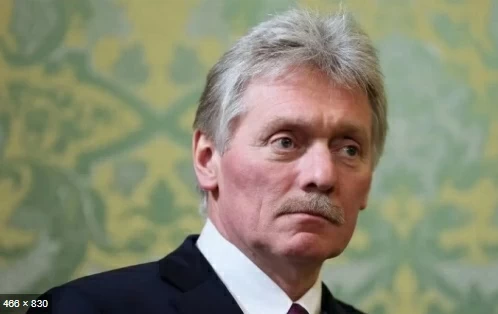
كشف المتحدث باسم الكرملين دميتري بيسكوف أن روسيا مستعدة للاستمرار كمورد موثوق لمصادر الطاقة إلى مختلف الأسواق العالمية، بما في ذلك السوق الأوروبية.
وأكد بيسكوف، في مؤتمر صحفي، أن موسكو تحافظ على التزامها بتأمين إمدادات الطاقة رغم التوترات الجيوسياسية، في وقت تواصل فيه أوروبا البحث عن بدائل وتنويع مصادرها.
وتأتي هذه التصريحات بالتزامن مع تحركات في سوق الغاز، إذ أشار بيسكوف إلى استمرار الاتصالات بين روسيا وصربيا بشأن عقد إمدادات الغاز، الذي ينتهي بنهاية مارس الجاري، مع إمكانية تمديده لمدة 3 أشهر إضافية.
أكبر أزمة طاقة
وكان نائب رئيس الوزراء الروسي ألكسندر نوفاك قد أوضح في وقت سابق أن التغيرات في العالم والصراع على موارد الطاقة، بما في ذلك الصراع في الشرق الأوسط، أدى إلى أكبر أزمة طاقة يشهدها العالم منذ 40 عاماً.
وقال نوفاك، خلال كلمته في المعهد الدولي لسياسات الطاقة والدبلوماسية التابع لمعهد موسكو الحكومي للعلاقات الدولية التابع لوزارة الخارجية الروسية: «نشهد اليوم، بالطبع، في رأيي، أكبر أزمة طاقة في الـ40 عاماً الماضية».
وأشار نوفاك إلى أن الحروب التي شهدها العالم خلال الـ30 أو الـ40 عاماً الماضية كانت مرتبطة بشكل أساسي بالصراع على موارد الطاقة.
ثلث تجارة النفط
وأضاف نوفاك: «من الواضح كيف ارتبطت الولايات المتحدة، على سبيل المثال، في جميع صراعاتها المسلحة الأخيرة، التي بدأتها، بشكل أو بآخر، بدول ذات أهمية للطاقة بالنسبة للعالم أجمع، وتمتلك موارد طاقة، آخرها إيران، وقبلها العراق والكويت وسورية وليبيا، وغيرها».
وصرح نوفاك أن إغلاق مضيق هرمز يؤثر على نحو ثلث تجارة النفط ومشتقاته العالمية، أي ما لا يقل عن 20 مليون برميل يومياً، يمثل حجم النفط ومشتقاته الذي كان يمر يومياً عبر مضيق هرمز قبل 19 يوماً فقط.
وأضاف: «تجدر الإشارة إلى أن هذا يمثل نحو 20% من الاستهلاك العالمي الحالي للنفط ومشتقاته من إنتاج النفط، وإذا نظرنا إلى التجارة العالمية، فإنها تصل إلى نحو 70 مليون برميل يومياً، وإن الـ20 مليون برميل التي توقف نقلها إلى الأسواق العالمية اليوم تمثل نحو ثلث التجارة العالمية».
The spokesperson for the Kremlin, Dmitry Peskov, revealed that Russia is ready to continue being a reliable supplier of energy sources to various global markets, including the European market.
Peskov confirmed, in a press conference, that Moscow maintains its commitment to securing energy supplies despite geopolitical tensions, at a time when Europe continues to seek alternatives and diversify its sources.
These statements come in conjunction with movements in the gas market, as Peskov indicated that communications between Russia and Serbia regarding the gas supply contract, which ends at the end of March, are ongoing, with the possibility of extending it for an additional 3 months.
The Largest Energy Crisis
Russian Deputy Prime Minister Alexander Novak had previously clarified that changes in the world and the struggle for energy resources, including the conflict in the Middle East, have led to the largest energy crisis the world has seen in 40 years.
Novak stated, during his speech at the International Institute for Energy Policy and Diplomacy at the Moscow State Institute of International Relations under the Russian Foreign Ministry: “Today, we are witnessing, in my opinion, the largest energy crisis in the past 40 years.”
Novak pointed out that the wars the world has witnessed over the past 30 or 40 years have been primarily linked to the struggle for energy resources.
One Third of Oil Trade
Novak added: “It is clear how the United States, for example, has been involved in all its recent armed conflicts, which it initiated, in one way or another, with countries that are significant for energy for the entire world and possess energy resources, the latest being Iran, and before that Iraq, Kuwait, Syria, Libya, and others.”
Novak stated that the closure of the Strait of Hormuz affects about one third of global oil and its derivatives trade, which is at least 20 million barrels per day, representing the volume of oil and its derivatives that was passing daily through the Strait of Hormuz just 19 days ago.
He added: “It is worth noting that this represents about 20% of current global oil consumption and its derivatives from oil production, and if we look at global trade, it reaches about 70 million barrels per day, and the 20 million barrels that have stopped being transported to global markets today represent about one third of global trade.”