







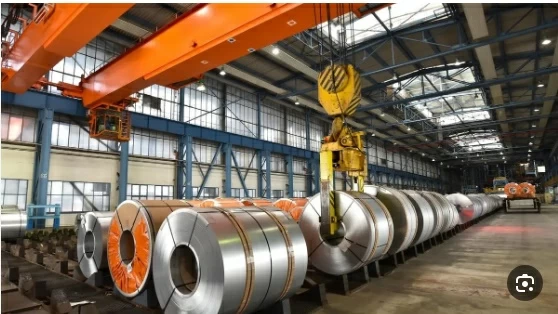
كشفت صحيفة فاينانشال تايمز أن مسؤولين ومصنّعين أوكرانيين حذروا من أن خطة الاتحاد الأوروبي لخفض واردات الصلب إلى النصف ستُلحق ضرراً كبيراً بأوكرانيا، في وقت تكافح فيه لتمويل دفاعها ضد روسيا.
وبحسب الصحيفة، أوضح المسؤولون أن هذا التخفيض الحاد، الذي يمثل انخفاضاً بنسبة 70% مقارنة بالعام الماضي، قد يُكلف أوكرانيا ما يصل إلى مليار يورو من عائدات التصدير.
قيود جمركية
وأكد المسؤولون أن القرار قد يُخالف اتفاقية التجارة بين أوكرانيا والاتحاد الأوروبي، والتي تنص على عدم فرض قيود جمركية على التجارة بين الطرفين.
وحذّرت إحدى الشركات الأوكرانية، وهي أكبر شركة صلب وتعدين في البلاد، من أن القرار سيحرم كييف من عائدات تصدير حيوية.
وقال رئيس مكتب الرئيس التنفيذي للشركة أوليكساندر فودوفيز: «إن الإجراءات الجديدة ستقضي تماماً على أي فرصة للشركات الأوكرانية للتصدير إلى السوق الأوروبية». وأشار إلى أن أوروبا تمثل السوق الأساسية للصلب الأوكراني.
وأوضح فودوفيز أن أوكرانيا لا تملك أسواقاً بديلة سهلة لتصريف صادراتها من الصلب، مشيراً إلى أن المنافسة في الأسواق الأخرى صعبة بسبب انخفاض تكاليف الطاقة في دول مثل تركيا وروسيا.
وأضاف: «هم لا يتعرضون للقصف اليومي مثلنا، والكهرباء لديهم أرخص بعشر مرات، لذلك لا نرى إمكانية حقيقية لمنافستهم في أسواقهم».
وضع صعب
من جهتها، أفادت المفوضية الأوروبية أن بروكسل ستأخذ الوضع الصعب لأوكرانيا في الاعتبار، مؤكدة أن كييف ستحصل على حصة، خصوصاً أنها تضمن استمرار صادراتها إلى الاتحاد الأوروبي، وإن كانت بمستويات أقل من السنوات الماضية.
وكان الاتحاد الأوروبي قد أعلن أنه سيخفض حصة واردات الصلب بنسبة 47% بدءاً من 1 يوليو القادم، مع فرض تعرفة جمركية بنسبة 50% على أي واردات إضافية، وذلك استجابة لفائض الإنتاج العالمي الذي تسبب في زيادة الواردات وإلحاق خسائر بآلاف الوظائف في المصانع الأوروبية.
ويمتلك الاتحاد الأوروبي مرونة في توزيع الحصص الجديدة بين شركائه التجاريين، ويجري حالياً مفاوضات مع أوكرانيا ونحو 20 دولة أخرى بشأن نسب التخفيض.
The Financial Times revealed that Ukrainian officials and manufacturers warned that the European Union’s plan to cut steel imports by half would cause significant harm to Ukraine, at a time when it is struggling to finance its defense against Russia.
According to the newspaper, officials explained that this sharp reduction, which represents a 70% decrease compared to last year, could cost Ukraine up to one billion euros in export revenues.
Customs Restrictions
Officials confirmed that the decision could violate the trade agreement between Ukraine and the European Union, which stipulates that no customs restrictions should be imposed on trade between the two parties.
One Ukrainian company, the largest steel and mining company in the country, warned that the decision would deprive Kyiv of vital export revenues.
Alexander Vodoviz, the head of the CEO’s office at the company, stated: “The new measures will completely eliminate any chance for Ukrainian companies to export to the European market.” He pointed out that Europe is the primary market for Ukrainian steel.
Vodoviz explained that Ukraine does not have easy alternative markets to sell its steel exports, noting that competition in other markets is tough due to lower energy costs in countries like Turkey and Russia.
He added: “They are not under daily bombardment like us, and their electricity is ten times cheaper, so we do not see a real possibility of competing with them in their markets.”
Difficult Situation
For its part, the European Commission stated that Brussels would take Ukraine’s difficult situation into account, confirming that Kyiv would receive a quota, especially as it ensures the continuation of its exports to the European Union, albeit at lower levels than in previous years.
The European Union had announced that it would reduce the quota for steel imports by 47% starting July 1, with a 50% tariff imposed on any additional imports, in response to the global production surplus that has led to increased imports and caused losses to thousands of jobs in European factories.
The European Union has flexibility in distributing the new quotas among its trading partners and is currently negotiating with Ukraine and about 20 other countries regarding the reduction ratios.