









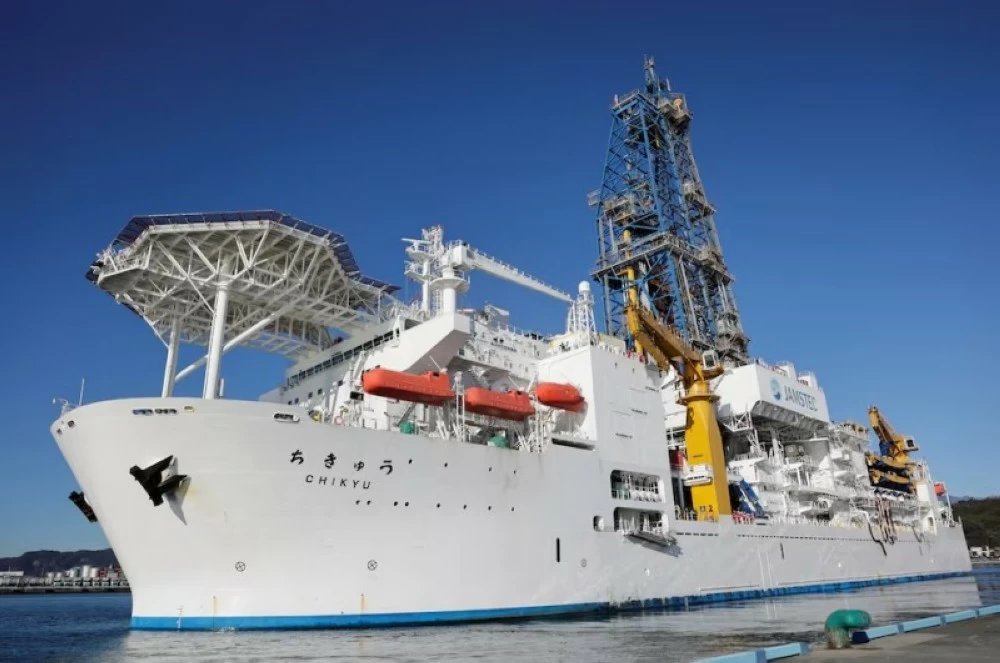
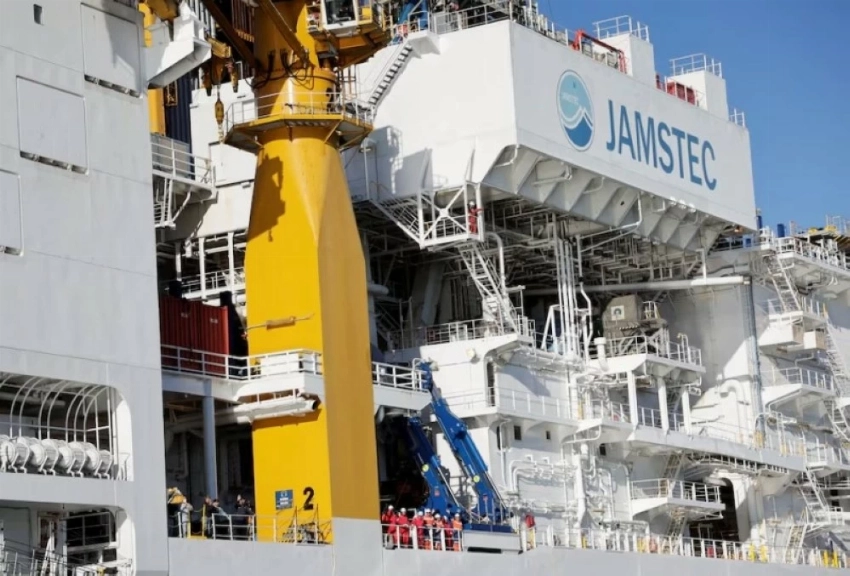
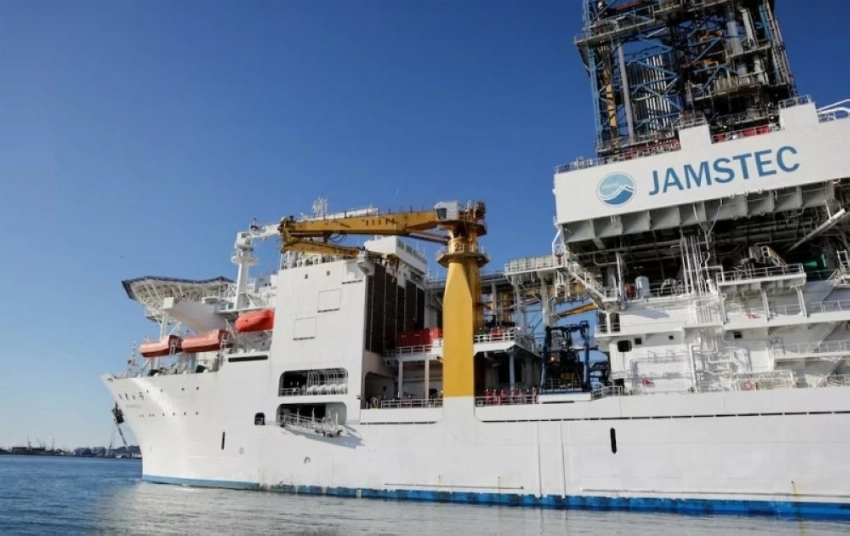
أبحرت سفينة البحث والتنقيب اليابانية «تشيكيو» (Chikyu) اليوم (الإثنين) من ميناء شيميزو في محافظة شيزوكا، متجهة نحو منطقة قريبة من جزيرة ميناميتوري (Minamitori Island) النائية في المحيط الهادئ، على بعد نحو 1900 كيلومتر جنوب شرق طوكيو.
استخراج الطين الغني بالمعادن
المهمة تستمر شهراً كاملاً إلى إجراء أول تجربة عالمية لاستخراج مستمر لـ«الطين الغني بالمعادن الأرضية النادرة» (rare-earth mud) من أعماق تصل إلى 6 كيلومترات تحت سطح البحر، ورفعه مباشرة إلى متن السفينة.
تعنت صيني
وتأتي هذه الخطوة في إطار جهود اليابان المكثفة لتقليل اعتمادها على الصين في توريد المعادن الأرضية النادرة، التي تُعدّ عنصراً حاسماً في صناعة السيارات الكهربائية والهواتف الذكية والمعدات العسكرية والتكنولوجيا المتقدمة.

سنوات من التحضير المتواصل
وقال شويتشي إيشي، رئيس المشروع المدعوم من الحكومة:«بعد سبع سنوات من التحضير المتواصل، نبدأ أخيراً مرحلة الاختبارات الفعلية، إنه شعور مؤثر جداً، وإذا نجح المشروع، فسيكون له أهمية كبيرة في تنويع مصادر اليابان للمعادن الأرضية النادرة».
الصين تشدد الخناق.. واليابان ترد بـ«التنقيب الوطني»
وتصاعدت التوترات أخيرا بعد أن فرضت بكين الأسبوع الماضي حظراً على تصدير بعض المواد ذات الاستخدام المدني والعسكري إلى اليابان، بما في ذلك بعض المعادن الحرجة.
وتشير تقارير إلى أن الصين بدأت تقييد صادرات المعادن الأرضية النادرة إلى اليابان بشكل أوسع، رغم عدم تأكيد بكين الرسمي لهذا الإجراء.
تعليق صادرات الصين
هذا الوضع يذكّر بحادثة عام 2010، عندما علّقت الصين صادراتها إلى اليابان عقب نزاع حول جزر في بحر الصين الشرقي، مما دفع طوكيو إلى خفض اعتمادها على بكين من 90% إلى نحو 60% من خلال الاستثمار في مشاريع خارجية وتعزيز إعادة التدوير.
ومع ذلك، لا تزال اليابان تعتمد بشكل شبه كامل على الصين في بعض العناصر الثقيلة النادرة المستخدمة في محركات السيارات الكهربائية والهجينة.
مشروع طويل الأمد بتكلفة 40 مليار ين
وبدأت الحكومة اليابانية استثمار نحو 40 مليار ين (250 مليون دولار) في المشروع منذ عام 2018، ومن المتوقع عودة السفينة «تشيكيو» – التي تقل 130 بحاراً وباحثاً – في 14 فبراير 2026.
وإذا نجحت التجربة، سيتم إجراء تجربة تعدين واسعة النطاق في فبراير 2027، مع إمكانية التحول تدريجياً نحو الإنتاج التجاري في السنوات اللاحقة، رغم أن التكاليف العالية كانت سابقاً تجعل المشروع غير اقتصادي.
ويُعد هذا المشروع خطوة إستراتيجية طويلة الأمد لتعزيز الأمن الاقتصادي الياباني، وسط مراقبة صينية دقيقة.
The Japanese research and exploration vessel “Chikyu” set sail today (Monday) from Shimizu Port in Shizuoka Prefecture, heading towards an area near the remote Minamitori Island in the Pacific Ocean, about 1,900 kilometers southeast of Tokyo.

Extraction of Mineral-Rich Mud
The mission will last a full month to conduct the first global experiment for the continuous extraction of “rare-earth mud” from depths of up to 6 kilometers below the sea surface, and lifting it directly onto the ship.
Chinese Stubbornness
This step comes as part of Japan’s intensive efforts to reduce its dependence on China for the supply of rare earth minerals, which are a critical element in the production of electric vehicles, smartphones, military equipment, and advanced technology.
Years of Continuous Preparation
Shuichi Ishii, the head of the government-supported project, said: “After seven years of continuous preparation, we are finally starting the actual testing phase. It is a very emotional feeling, and if the project succeeds, it will be of great importance in diversifying Japan’s sources of rare earth minerals.”
China tightens the grip… and Japan responds with “national exploration”
Tensions have recently escalated after Beijing imposed a ban last week on the export of certain materials for civilian and military use to Japan, including some critical minerals.
Reports indicate that China has started to restrict rare earth mineral exports to Japan more broadly, although Beijing has not officially confirmed this action.
China’s Export Suspension
This situation recalls the incident in 2010, when China suspended its exports to Japan following a dispute over islands in the East China Sea, prompting Tokyo to reduce its reliance on Beijing from 90% to about 60% by investing in overseas projects and enhancing recycling.
However, Japan still relies almost entirely on China for some rare heavy elements used in electric and hybrid vehicle engines.
A Long-Term Project Costing 40 Billion Yen
The Japanese government has started investing about 40 billion yen (250 million dollars) in the project since 2018, and the “Chikyu” vessel – carrying 130 sailors and researchers – is expected to return on February 14, 2026.
If the experiment is successful, a large-scale mining trial will be conducted in February 2027, with the possibility of gradually transitioning to commercial production in the following years, although high costs had previously made the project uneconomical.
This project is considered a long-term strategic step to enhance Japan’s economic security, amid close Chinese monitoring.