









أكدت السعودية وصندوق النقد الدولي أن تبنّي سياسات اقتصادية ومالية سليمة، إلى جانب تمكين القطاع الخاص، يشكّلان الركيزة الأساسية لتعزيز صمود اقتصادات الأسواق الناشئة وتحقيق نمو أعلى وأكثر استدامة.
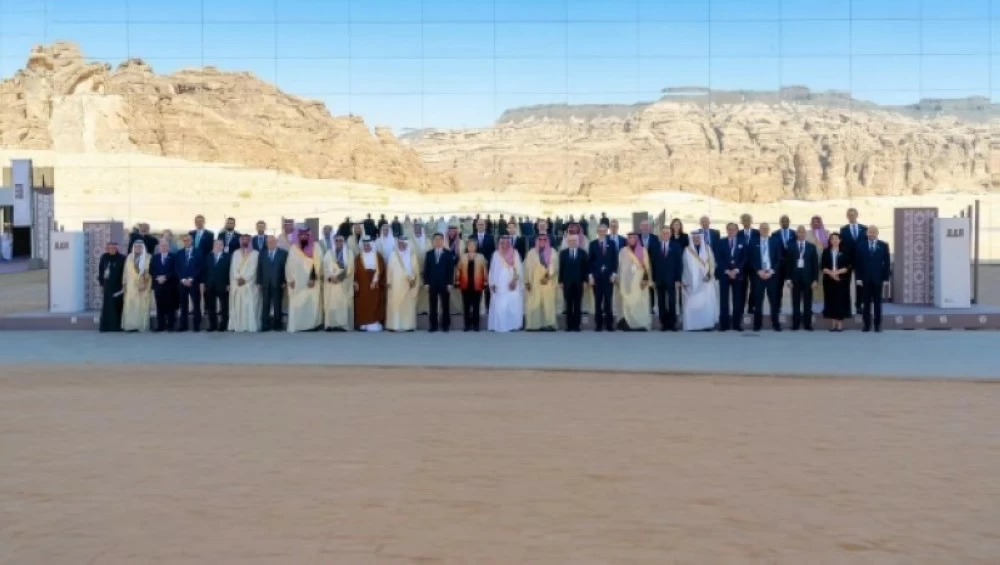
جاء ذلك في البيان المشترك الصادر في ختام النسخة الثانية من مؤتمر العلا لاقتصادات الأسواق الناشئة، الذي عُقد في العلا خلال الفترة من 8 إلى 9 فبراير الجاري، بتنظيم مشترك بين وزارة المالية السعودية وصندوق النقد الدولي، ووقّعه وزير المالية محمد الجدعان، والمدير العام لصندوق النقد الدولي كريستالينا غورغيفا.
أبرز التحديات
وأشار البيان إلى أن المؤتمر جمع صناع سياسات من اقتصادات الأسواق الناشئة، إلى جانب كبار الأكاديميين العالميين ورؤساء المؤسسات المالية الإقليمية والدولية، لمناقشة أبرز التحديات التي تواجه هذه الاقتصادات، والسياسات الكفيلة بتعزيز قدرتها على الصمود ودفع عجلة النمو، مؤكداً مجدداً أهمية وجود منتدى عالمي مخصص يعنى بقضايا الأسواق الناشئة وتطلعاتها المشتركة.
وأوضح أن المناقشات ركزت على كيفية تعامل اقتصادات الأسواق الناشئة مع بيئة عالمية تتسم باستمرار حالة عدم اليقين، والتحولات الجيوسياسية، وتغير أنماط التجارة، والتسارع التقني، وهو ما يبرز الحاجة الملحّة إلى تعزيز أطر السياسات والمؤسسات بما يدعم القدرة على الصمود ويتيح اغتنام الفرص المستقبلية.
مواجهة الصدمات
وأكد البيان أن السياسات الاقتصادية الكلية والمالية السليمة، المدعومة بمؤسسات قوية وحوكمة فعّالة، تظل الركيزة الأساسية لمواجهة الصدمات المتزايدة، مشيراً إلى أن تجارب العديد من اقتصادات الأسواق الناشئة أظهرت أن الأطر الموثوقة في السياسات وتطوير المؤسسات أسهما في تحسين أداء التضخم، والحفاظ على الاستقرار المالي، وضمان النفاذ إلى الأسواق حتى في أوقات تصاعد عدم اليقين.
وأضاف أن تحسّن الاستقرار الاقتصادي يضع الأسواق الناشئة أمام تحدي الانتقال إلى مرحلة جديدة من الإصلاحات، تستهدف تحقيق نمو أعلى وأكثر استدامة، وزيادة فرص العمل، لافتاً إلى أن إطلاق إمكانات القطاع الخاص سيكون عنصراً محورياً في هذا المسار، من خلال تعميق الأسواق المالية، وتقليل العوائق أمام ريادة الأعمال والاستثمار، والاستثمار في البنية التحتية الرقمية، وتسخير تقنيات الذكاء الاصطناعي، إلى جانب تزويد الشباب بالمهارات اللازمة لسوق العمل العالمي المتغير.
تحولات متسارعة
وشدد البيان على أن التحولات المتسارعة في أنماط التجارة والاستثمار تجعل من تعميق التكامل الإقليمي وبين الأقاليم المختلفة فرصة مهمة لدعم النمو.
وأفاد أن تمكين التجارة وتعزيز التعاون الإقليمي يظلان عنصرين أساسيين في تكيف اقتصادات الأسواق الناشئة مع المشهد الاقتصادي العالمي المتغير.
واختتم الجانبان البيان بالإعراب عن تقديرهما لالتزام اقتصادات الأسواق الناشئة بالتكاتف وتبادل الخبرات واتخاذ خطوات حاسمة لمواجهة التحديات العالمية، مع التأكيد على التطلع إلى مواصلة هذه المناقشات والبناء على الزخم المحقق في النسخ القادمة من مؤتمر العلا.
Saudi Arabia and the International Monetary Fund confirmed that adopting sound economic and financial policies, along with empowering the private sector, forms the essential foundation for enhancing the resilience of emerging market economies and achieving higher and more sustainable growth.
This was stated in the joint statement issued at the conclusion of the second edition of the AlUla Conference for Emerging Market Economies, which was held in AlUla from February 8 to 9, organized jointly by the Saudi Ministry of Finance and the International Monetary Fund, and signed by Finance Minister Mohammed Al-Jadaan and IMF Managing Director Kristalina Georgieva.
Key Challenges
The statement noted that the conference brought together policymakers from emerging market economies, along with leading global academics and heads of regional and international financial institutions, to discuss the key challenges facing these economies and the policies necessary to enhance their resilience and drive growth, reiterating the importance of having a dedicated global forum that addresses the issues and common aspirations of emerging markets.
It explained that discussions focused on how emerging market economies can cope with a global environment characterized by ongoing uncertainty, geopolitical shifts, changing trade patterns, and technological acceleration, highlighting the urgent need to strengthen policy frameworks and institutions to support resilience and seize future opportunities.
Facing Shocks
The statement emphasized that sound macroeconomic and financial policies, supported by strong institutions and effective governance, remain the cornerstone for facing increasing shocks, noting that the experiences of many emerging market economies have shown that reliable policy frameworks and institutional development have contributed to improving inflation performance, maintaining financial stability, and ensuring access to markets even in times of rising uncertainty.
It added that improved economic stability places emerging markets in front of the challenge of transitioning to a new phase of reforms aimed at achieving higher and more sustainable growth and increasing job opportunities, pointing out that unleashing the potential of the private sector will be a key element in this path, through deepening financial markets, reducing barriers to entrepreneurship and investment, investing in digital infrastructure, harnessing artificial intelligence technologies, and equipping youth with the skills needed for the changing global labor market.
Accelerating Transformations
The statement stressed that the accelerating transformations in trade and investment patterns make deepening regional integration and inter-regional collaboration an important opportunity to support growth.
It stated that enabling trade and enhancing regional cooperation remain essential elements for the adaptation of emerging market economies to the changing global economic landscape.
The two sides concluded the statement by expressing their appreciation for the commitment of emerging market economies to unite, share experiences, and take decisive steps to address global challenges, while emphasizing their eagerness to continue these discussions and build on the momentum achieved in future editions of the AlUla Conference.